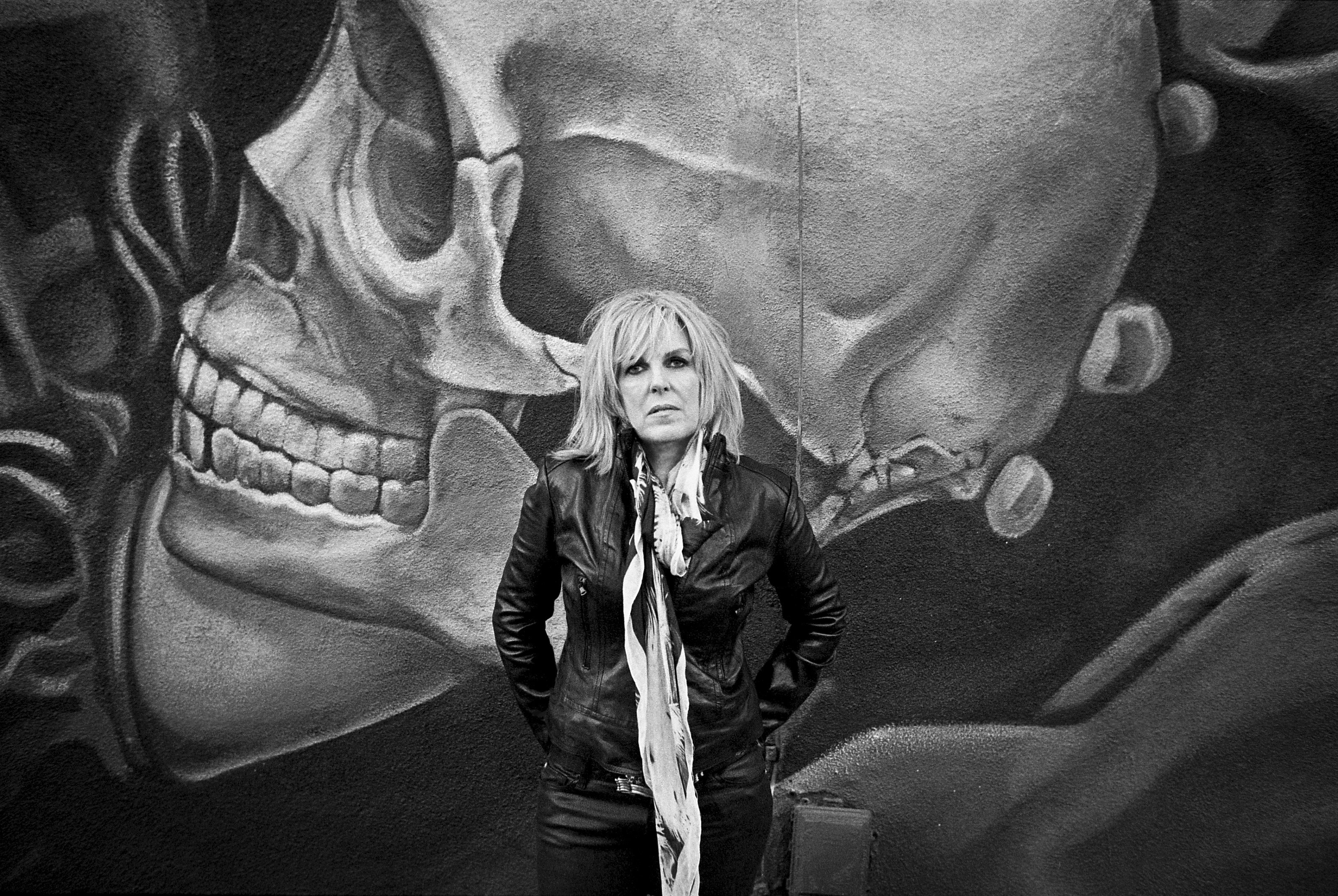
Roots-music legend, and three-time Grammy Award winner Lucinda Williams is set to release her first-ever double album “Down Where The Spirit Meets The Bone” on September 30 though her very own Highway 20 Records
“Down Where The Spirit Meets The Bone” is said to be ” Williams’ most ambitious and adventurous projects to date.” It features 20 new songs, with 18 written by Williams. The album’s opening track, “Compassionâ€, was originally a poem by her father, the poet Miller Williams, in which she wrote the music and additional lyrics.
From the press release “This is a personal milestone for Williams as it marks the first time she has composed music for one of her father’s poems, and it is from that song that the album title was taken. ”
The album also features a cover os JJ Cale’s “Magnolia.â€
“Down Where The Spirit Meets The Bone” features performances by guitarists Bill Frisell and Tony Joe White, Faces keyboardist Ian McLagan, Elvis Costello’s rhythm section of Pete Thomas (drums) and Davey Faragaher (bass) and Wallflowers guitarist Stuart Mathis. Jakob Dylan adds harmony vocals on “It’s Gonna Rain.†Williams’ longtime rhythm section of Butch Norton (drums) and David Sutton (bass) make also contribute. D”Down Where The Spirit Meets The Bone” was produced by Williams, Tom Overby and Greg Leisz.
Of the Album Williams says ” “I didn’t set out to do a whole album of country-soul, but once I started working, a stylistic thread kind of emerged,†she says. “It’s a sound I can relate to, one that’s really immediate and really timeless at the same time — kind of sad in an indefinable way. It’s like something my dad said to me many years ago, something I wrote down and included in my song “Temporary Nature (Of Any Precious Thing)†because it was so profound to me — ‘the saddest joys are the richest ones.’ I think that fits this album really well.â€
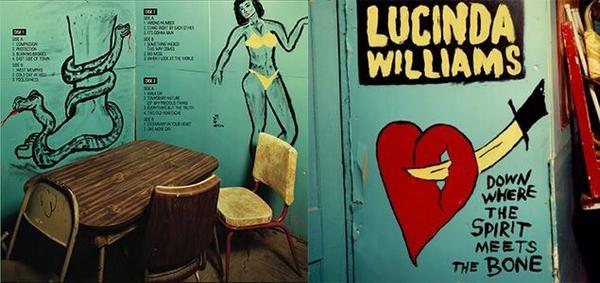
EDIT: Here is the front and back covers. (The back is for the vinyl version.) The photos are by Birney Imes from his book “Juke Joint”. It is the same book that provided the cover for “Car Wheels On A Gravel Road”, as well as the photo that inspired the song “2 Kool 2 Be Forgotten”
See Williams perform “Something Wicked This Way Comes” from “Down Where The Spirit Meets The Bone”
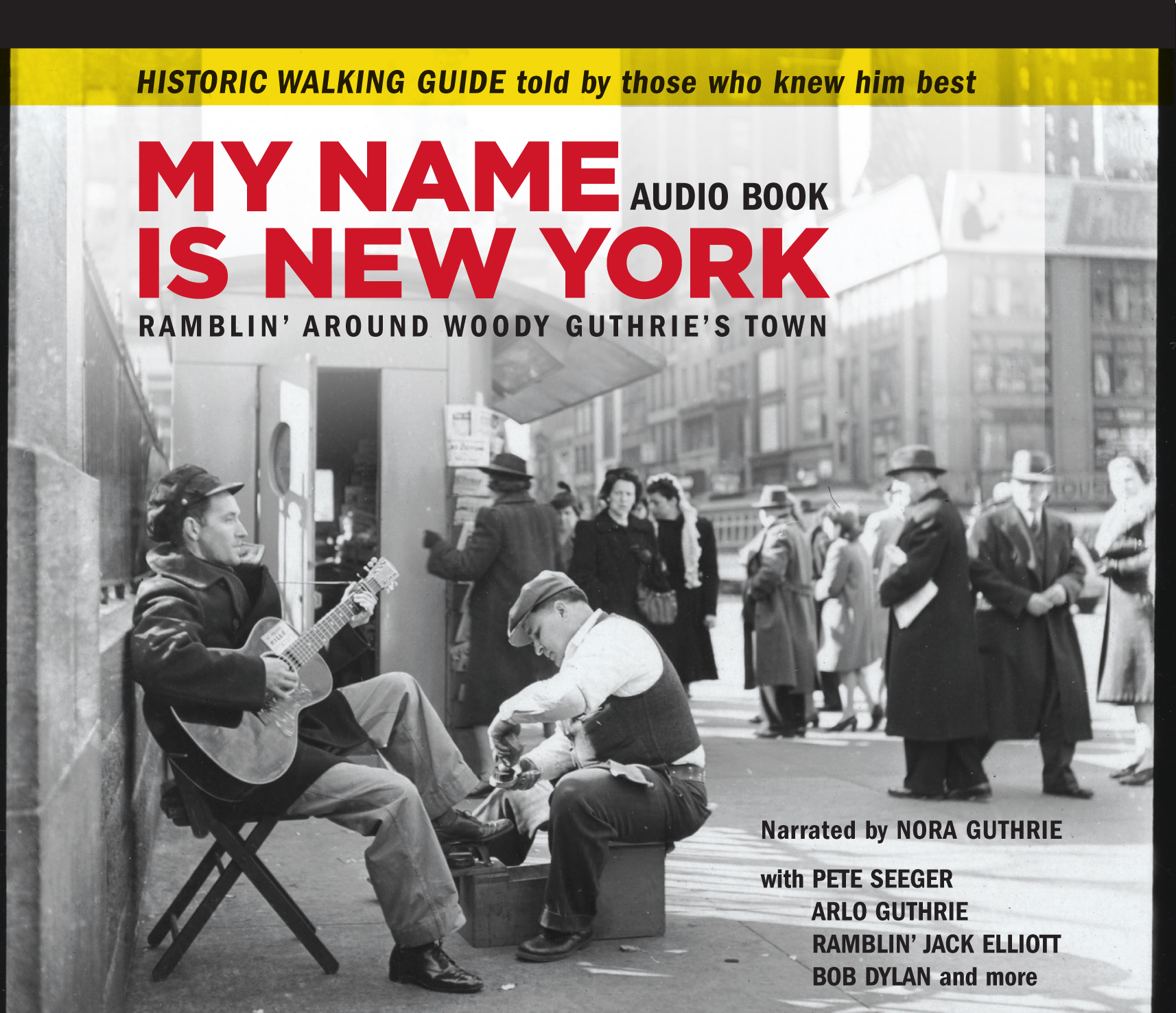
On September 23rd Woody Guthrie Publications will release ‘My Name Is New York; Ramblin’ Around Woody Guthrie’s Town,’ a three-disc collection offering an
intimate portrait of Woody’s NYC life through storytelling and music. Produced by Steve Rosenthal, Michael Kleff and Woody’s daughter Nora Guthrie, ‘My
Name is New York’ presents two discs of an audio tour and stories that contextualize Woody’s New York with new interviews, song snippets and a
history narrated by Nora, plus a third disc of music, including some never heard before.
“Working on this project has been more than just a nostalgic walk down memory lane,” Nora says. “It’s been a precious adventure, collecting the stories
– and the voices – of my father’s NYC friends and family, many of them who are now gone. It’s been, at times, both a hilarious and tearful journey. And, just
as for thousands of artists who have migrated here, you can see how New York City was absolutely critical in significantly chiseling my father’s destiny.â€
Featuring new interviews with luminaries like Pete Seeger (in one of his final interviews), Woody’s son Arlo Guthrie, and Ramblin’ Jack Elliott, as well as
with Woody’s many other friends and family, the first two discs take listeners on a virtual tour of the city as Woody experienced it through visits to 19
locations. They include the boarding house on 43rd Street where “This Land Is Your Land†was written; the Greenwich Village apartment that The Almanac
Singers — an all-star folk collective included Guthrie, Seeger, Lead Belly and Josh White – called home; and his home on Coney Island, where Woody
tirelessly composed over 100 songs, and was eventually laid to rest.
The collection also includes a bonus music disc featuring an array of Guthrie’s NYC songs, including the first recording of “This Land Is Your Land”; two
previously unreleased home demos he recorded in the city, including the song that gave the set its name and a duet with Sonny Terry; and five premieres of
previously unpublished lyrics from a variety of artists, from contemporaries to younger musicians following in his tradition.
Below Pete Seeger and Nora Guthrie tell the story of how Guthrie’s song “Tom Joad†evolved:
‘My Name Is New York’ Track List
Disc 1: February 16, 1940 — November 1942
01. 59th Street at 5th Avenue, Manhattan
02. 101 West 43rd Street, Manhattan
03. 57 East 4th Street, Manhattan
04. 31 East 21st Street, Manhattan
05. 5 West 101st Street, Manhattan
06. 70 East 12th Street, Manhattan
07. 130 West 10th Street, Manhattan
08. 430 6th Avenue, Manhattan
09. 148 West 14th Street, Manhattan
10. 647 Hudson Street, Manhattan
Disc 2: December, 1942 — October 3, 1967
01. 74 Charles Street, Manhattan
02. 3815 Atlantic Avenue, Brooklyn
03. 3520 Mermaid Avenue, Brooklyn
04. 49 Murdock Court, Brooklyn
05. 517 East 5th Street, Manhattan
06. Brooklyn State Hospital, 681 Clarkson Avenue, Brooklyn
07. 159-13 85th Street, Queens
08. Creedmore State Hospital, Queens
09. Final Resting Place: Atlantic Ocean, Brooklyn
Music Bonus CD Tracklist
01. “New York Town†(Woody Guthrie/Cisco Houston/Sonny Terry)
02. “New York Trains†(Del McCoury Band)
03. “Union Maid†(Almanac Singers)
04. “My New York City†(Mike + Ruthy)
05. “Tom Joad†(Woody Guthrie)
06. “Man’s A Fool†(Woody Guthrie (spoons)/Sonny Terry) home tape
07. “Vigilante Man†(Woody Guthrie)
08. “Union Air in Union Square†(Lowry Hamner)
09. “Round and Round Hitler’s Grave†(Almanac Singers)
10. “Jesus Christ†(Woody Guthrie)
11. “Beatitudes†(Reverend Billy & the Stop Shopping Choir)
12. “This Land Is Your Land†(Woody Guthrie)
13. “Go Coney Island, Roll On The Sand†(Demolition String Band)
14. “Howdi Do†(Ramblin’ Jack Elliott)
15. “My Name Is New York†(Woody Guthrie) home demo tape
16. “Go Down to the Water†(Billy Bragg & Wilco)
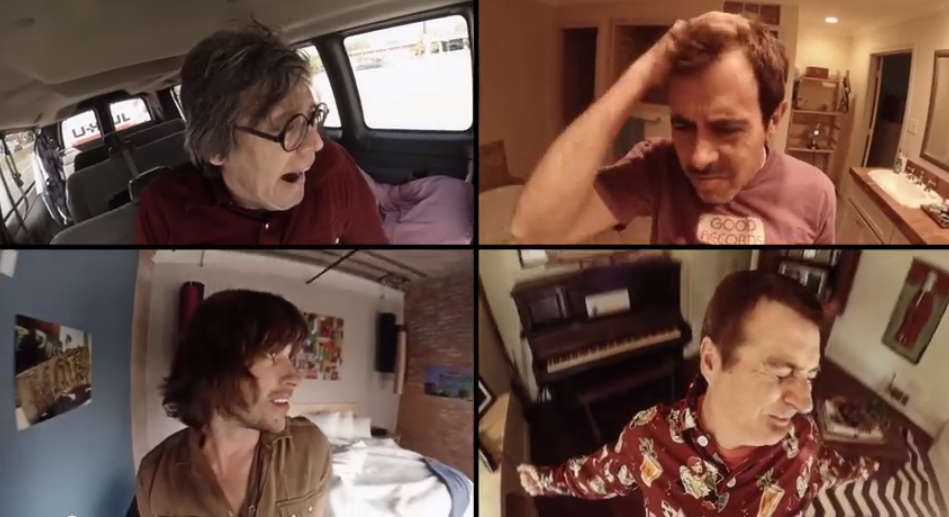
Let’s go kids as we follow a day in the life of Rhett Miller, Murry Hammond, Ken Bethea and Philip Peeples – collectively known as NorTex alt.country stalwarts The Old 97s. The video follows each member in a spilt-screen quadrants as they travel through various routines and states of consciousness (or not.) tier paths collide onstage at a hometown show in Dallas.
I can only surmise from the video that the definition of “get it on’ is put on a damn fine rock show, right guys? Right?
The Old 97’s released their recent album “Most Messed Up†in April on ATO Records.
Wait for the hilarious surprise ending. It’s worth it, believe me.
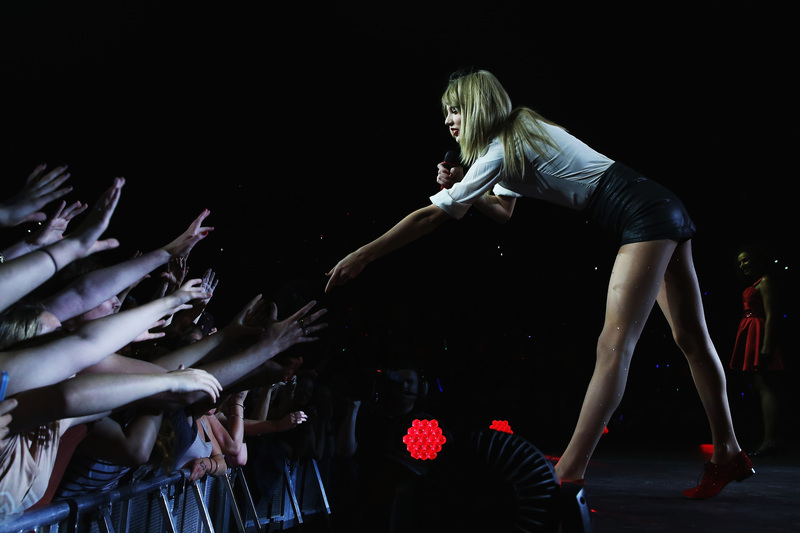
I never thought I would write these words, but below you will find my response to Taylor Swift’s Wall Street Journal essay.
Wow.
Swift took the the pages of the Wall Street Journal For Taylor Swift, the Future of Music Is a Love Story to give her views, feelings really, of the ever tumultuous music industry. Boundless optimism might be a refreshing reprieve in these cynical, irony-drenched times of ours and might make for great pop dittys. But Swift’s reflections on the music industry map as well to economic realities as her love songs map to real adult relationships.
Not so much.
First she tackles value. She argues that a musician’s output, an album, should be measured by ” the amount of heart and soul an artist has bled into a body of work.” If only! Leaving aside the multitude of terrible, heartfelt albums that have been made, music is at the mercy of every other bought and sold goods, art or not. Supply and demand.
Though I personally loathe to use the word “art” when referring to music (I believe the label implies a stuffy distance) I will use it here as Swift has taken us down that path. As a crass binary analogy, there’s the Van Gogh level of art, rare and singular in it’s execution. Then there is the Thomas Kincaid level of art. More plentiful and generally pedestrian in it’s technic and subject matter. The former will put you back tens of millions of dollars if you are lucky to find one coming to auction, The latter can be bought for a few thousand dollars from an online gallery.
Obviously not all art is created equal.
Van Gogh’s scarcity of work, in actual numbers and availability in the market place sets it at a premium. The Internet has made scarcity obsolete. The Wu Tang Clan addressed this recently by creating master recording of their latest work “The Wu – Once Upon A Time In Shaolin” and putting it up for auction where it sold to a private buyer for millions. It was little more than a stunt, but it grabbed headlines because in the age of piracy inaccessible music from a major artist is a novelty.
Though Swift’s music isn’t scarce her live shows are. That’s one of the last go-to revenue streams for performers.
So where were the tips on putting on a great show (aside from inviting your famous friends onstage?) Where were the tips on using social media to build a loyal fan base? Where was the helpful advice on writing a song that “hit them like an arrow through the heart?”
These are Swift’s strengths. She’s a master and her stardom reflects her skills. Though she skirts across some of these topics in her piece she never digs into them to provide working musicians some takeaways. Something actionable.
Swift’s stardom paralleled the throwback to 50’s/60’s model of music consumption, the single. But new ways of experiencing music has not been met by new, and fair. compensation and control of that music. Streaming services are the contemporary jukeboxes but licensing and pay-outs that defined that era has’t progressed. No money means less chance a musician will soldier on. Swift could have joined Rosanne Cash and many others have testified before congress for fair musician’s compensation and control of their work.
A spotlight that Swift could bring to that discussion would be welcome and might get things moving faster in the right direction.
Perhaps Swift could start a label or management service to take young talent in and guide them along a path that can be treacherous.
I think Swift’s hand-shaped heart is in the right place. But talk, and WSJ puff-pieces, are cheap. If she really wants to make a positive impact on the music industry I’d like to see some action.
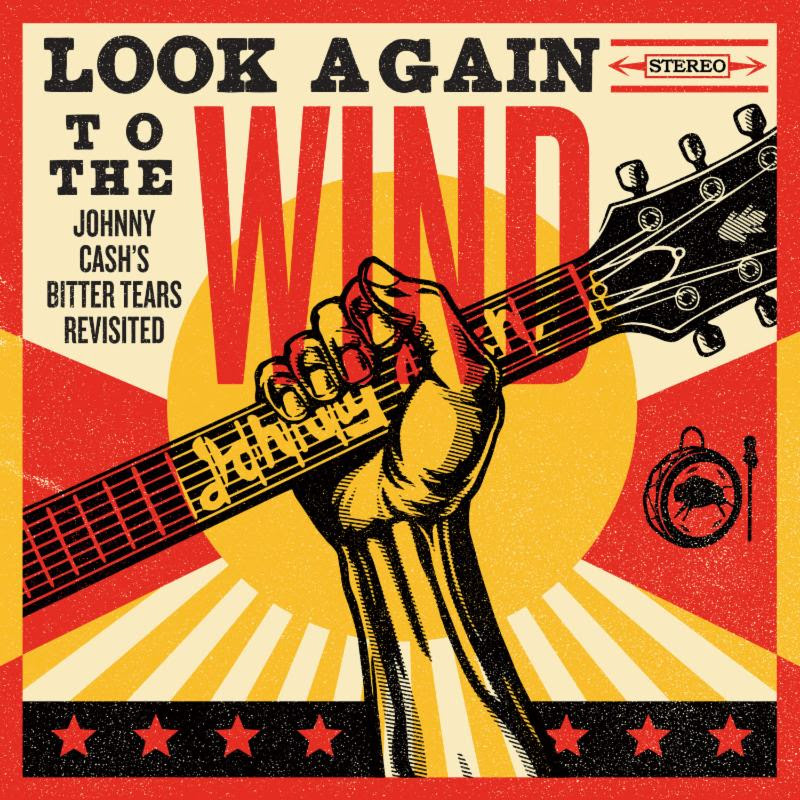
To celebrate the 50th Anniversary of one of Johnny Cash’s most personal releases, “Bitter Tears: Ballads of the American Indian,” Sony Music Masterworks will commemorate the occasion with “Johnny Cash’s Bitter Tears Revisited” ( August 19.) Produced by Joe Henry and featuring country and Americana music giants Kris Kristofferson, Emmylou Harris, Steve Earle, Bill Miller, Gillian Welch and David Rawlings, and Norman and Nancy Blake, as well as up-and-comers the Milk Carton Kids and Rhiannon Giddens. Each artist interpreting the music for a new generation. As his project was for Cash, the new collection “is a labor of love with a strong sense of purpose fueling its creation.”
Of all the dozens of albums released by Johnny Cash during his nearly half-century career, 1964’s Bitter Tears: Ballads of the American Indian was among the closest to the artist’s heart. A concept album focusing on the mistreatment and marginalization of the Native American people throughout the history of the United States, its eight songs-among them “The Ballad of Ira Hayes,” a #3 hit single for Cash on the Billboard country chart-spoke in frank and poetic language of the hardships and intolerance they endured.
“Prior to Bitter Tears, the conversation about Native American rights had not really been had,” says Henry, “and at a very significant moment in his trajectory, Johnny Cash was willing to draw a line and insist that this be considered a human rights issue, alongside the civil rights issue that was coming to fruition in 1964. But he also felt that the record had never been heard, so there’s a real sense that we’re being asked to carry it forward.”
Bitter Tears, widely acknowledged for decades as one of Cash’s greatest artistic achievements, did not realize its stature as a landmark recording easily and quickly. At the time that Cash proposed the album, he was met with a great deal of resistance from his record label. They felt that a song cycle revolving around the Native American struggle as perpetrated by the white man took him too far afield of the country mainstream and Cash’s core audience. Cash still released the album and although it did not perform as well as he had hoped, he remained extremely proud of the album throughout his life.
Ironically, at the same time that his own label was balking because it felt he would alienate the country audience with his Native American tales, Cash was finding a new set of admirers among the burgeoning folk music crowd that had recently made stars of Bob Dylan, Joan Baez and Peter, Paul and Mary. Cash’s debut performance of “Ira Hayes” at the 1964 Newport Folk Festival had earned him rave reviews. His appeal was undeniably expanding beyond the country audience, and for those who did connect with Bitter Tears, among them a 17-year-old aspiring singer-songwriter named Emmylou Harris, its music was revelatory and important. “The record was a seminal work for her as a teenager,” says Henry. “She bought the album brand new and realized at that moment that Johnny Cash was a folk singer, not a country singer, and was involving himself politically and socially in a way that she had identified with the great folk singers at that moment.”
Henry’s awareness of Harris’ affection for Bitter Tears led him to invite her to contribute to Look Again To The Wind: Johnny Cash’s Bitter Tears Revisited. Following the epic, nine-minute album-opener “As Long as the Grass Shall Grow,” written by Peter La Farge-a folk singer-songwriter with Native American bloodlines who Cash had befriended-and sung here by Welch and Rawlings, Harris takes the lead vocal on the Cash-penned “Apache Tears,” which also features sweet, close harmonies by the Milk Carton Kids, the duo comprising Kenneth Pattengale and Joey Ryan. For Henry, carefully matching artist to song was integral to the integrity of Look Again To The Wind. For some of the tracks, that process required a great deal of consideration. But when it came to deciding who would interpret “The Ballad of Ira Hayes,” Henry quickly zeroed in on Kristofferson.
Another of five songs on the original album written by La Farge, “The Ballad of Ira Hayes” is based on the true story of Ira Hamilton Hayes, a Pima Indian who was one of the six Marines seen raising the flag at Iwo Jima in an iconic World War II photograph. Hayes’ moment of glory was followed upon his return to civilian life with prejudice and alcoholism-Cash, moved by Hayes’ story and La Farge’s recounting of it, vowed to record the song. When planning out Look Again To The Wind, Henry knew that only a few living singers could deliver the song the way he wanted to hear it. He called Kristofferson, utilizing Rawlings and Welch to sing background.
“I wanted somebody whose relationship with Johnny Cash was not only musical but personal,” he says. “I’d worked with Kris on a couple of other things and I thought why not ask? Who else has a voice with that kind of power and authority?” That same sense of intuition guided Henry to choose the other participants and the material they would render. For La Farge’s “Custer,” the album’s third song, the producer knew instinctively that Steve Earle was the right man for the job. “Steve is an upstart, and there are very few people I can imagine working right now who could deliver a song that is that pointed in that particular way and do it authentically without cowering from it or making it feel a little too arch,” Henry says. “He really could embody the kind of swagger that that song insists upon.”
Similarly, Henry chose Nancy Blake (with Harris and Welch on backing vocals) for the Cash-written “The Talking Leaves,” Norman Blake to sing “Drums,” the Milk Carton Kids to lead “White Girl” (both of those authored by La Farge) and the powerhouse vocalist Rhiannon Giddens of the Carolina Chocolate Drops for the original album’s finale, “The Vanishing Race,” written by Cash’s good friend Johnny Horton. To bolster the album (the original, typical of mid-’60s vinyl LPs, ran just over a half hour), Henry fills out the track list of Look Again To The Wind with reprises of “Apache Tears” and “As Long As the Grass Shall Grow”-both sung by Welch and Rawlings-and ends the set with the title track, a La Farge tune that did not appear on the original Johnny Cash album but instead on the songwriter’s own 1963 release As Long as the Grass Shall Grow: Peter La Farge Sings Of The Indians. Here it’s sung by Bill Miller, with Sam Bush providing mandolin and Dennis Crouch upright bass, a fine and fitting coda to the collection.
From the start, Henry looked at the project as one that would require great personal commitment and responsibility on his own part. Approached as potential producer of the project by the man who first envisioned it, Sony Music Masterworks’ Senior Vice President Chuck Mitchell (who’d been in conversations with Antonino D’Ambrosio, author of A Heartbeat and a Guitar,a book about the making of Bitter Tears), Henry immediately understood the importance of the assignment. “Johnny Cash was my first musical hero and I feel a profound debt to him as an artist, and as a courageous one,” he says. “How could I say no to that?”
He also realized that the Bitter Tears album held a special place in Cash’s canon, and that in many ways the issues it raised still resonate today-this had to be apparent in the new versions. “Mr. Cash knew that if he took this on, even if his point of view was not adopted, he had the power to be heard,” Henry says.
The album was recorded in three sessions: the first two in Los Angeles and Nashville and, lastly, one at the Cash Cabin, in Cash’s hometown of Hendersonville, Tennessee, where Bill Miller cut his contribution. Providing the instrumental backing for most of the album are Greg Leisz (steel guitar, guitars), Keefus Ciancia (keyboards), Patrick Warren (keyboards for the L.A. sessions), Jay Bellerose (drums) and Dave Piltch (bass).
TRACKLIST:
As Long as the Grass Shall Grow – Gillian Welch & David Rawlings
Apache Tears – Emmylou Harris w/The Milk Carton Kids
Custer – Steve Earle w/The Milk Carton Kids
The Talking Leaves – Nancy Blake w/ Emmylou Harris, Gillian Welch & Dave Rawlings
The Ballad of Ira Hayes – Kris Kristofferson w/ Gillian Welch & David Rawlings
Drums – Norman Blake w/ Nancy Blake, Emmylou Harris, Gillian Welch & David Rawlings
Apache Tears (Reprise) – Gillian Welch & Dave Rawlings
White Girl – The Milk Carton Kids
The Vanishing Race – Rhiannon Giddens
As Long as the Grass Shall Grow (Reprise) – Nancy Blake, Gillian Welch & Dave Rawlings
Look Again to The Wind – Bill Miller
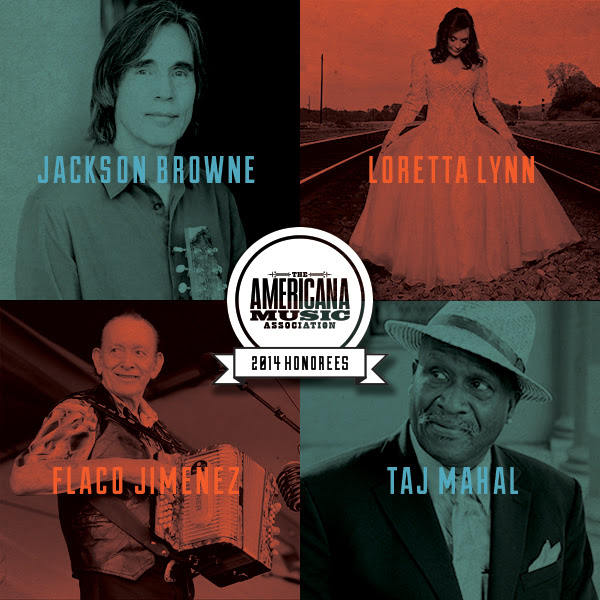
The 15th annual Americana Music Festival & Conference will take place September 17-21, 2014 in Nashville, Tenn. Tickets for the Honors & Awards are only available with the purchase of a conference registration.
Alice Gerrard is a legend in roots music. Her 40-plus year music career began at Antioch College where her exposure to folk music and, after graduating, she moved to Washington D.C. She then pivoted her piano training into mastering the banjo and guitar and became part of the thriving folk and bluegrass scene.
Her careers includes collaborations with Hazel Dickens, her former husband Mike Seeger, The Harmony Sisters, filmmaker Les Blank, traditional fiddler and banjo player Tommy Jarrell, banjo player Matokie Slaughter, and others.
On Sept. 30th, 2014 on Tompkins Square will release Gerrard’s new album ‘Follow The Music.” The album is produced by M.C. Taylor (Hiss Golden Messenger) and features members of Hiss Golden Messenger and Megafaun. ‘Follow The Music ” is the follow-up to 2013’s Kickstarter-funded “Bittersweet.”
On this, the occasion of her 80th birthday, please enjoy “Boll Weevil” from ‘Follow The Music. ”
Spencer Burton first began tilling the folk and country music fields to great acclaim under the solo moniker of Grey Kingdom. On his upcoming new record “Don’t Let The World See Your Love†(September 16 / Dine Alone Records) Burton has decided to step from behind the pseudonym curtain and use his proper name. But the music suffers none in the transition.
“A Body Is All She Ever Let Me Hold” is a cut from that album, co-produced by Burton’s old Attack In Black bandmate and fellow roots-music traveler Daniel Romano.
The song’s a melancholy delicate yet taunt composition sheathed within a breezy style reminiscent of the moody pop-folk of Nick Drake. It’s a song that fits perfectly in a rainy day and a Summer drive. Official site
See Spencer Burton at one of the upcoming live dates below:
July 19, 2014 London County Music Festival @ 4:30pm (Workshop with Bry Webb and Lynn Craven)
July 28, 2014 – The Spill, Peterborough, Ontario
July 29, 2014 – Wolfe Island Grill, Kingston, Ontario
July 30, 2014 – Raw Sugar, Ottawa, Ontario
July 31, 2014 – TBC, Fredericton, New Brunswick
August 1-3, 2014 – Sappy Music Fest, New Brunswick
August 4, 2014- House Show, Quebec City, Quebec
August 5, 2014- Calgibi, Montreal, Quebec
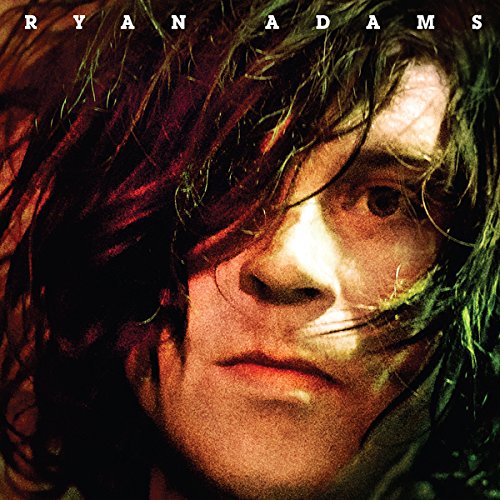
Ryan Adams announced today the release of a new, self-titled album on September 8.
‘Ryan Adams’ is the singer’s 14th solo album and was produced by Adams at his Pax Am Studios in Hollywood, Los Angeles, and follows 2011’s ‘Ashes & Fire.’ The album will feature recent single ‘Gimme Something Good.’
‘Gimme Something Good’
‘Kim’
‘Trouble’
‘Am I Safe’
‘My Wrecking Ball’
‘Stay With Me’
‘Shadows’
‘Feels Like Fire’
‘I Just Might’
‘Tired Of Giving Up’
‘Let Go’
Ryan Adams debuts new track “Stay With Me” at a gig in Portland, Maine
Adams’ tour dates:
07/22/14 – Portland, ME – State Theatre
07/23/14 – Burlington, VT – Flynn Center For Performing Arts
07/25/14 – Newport, RI – Newport Folk Festival
07/26/14 – Camden, NJ – XPoNential Music Festival at Susquehanna Bank Center
08/05/14 – Aspen, CO – Belly Up Aspen (SOLD OUT)
08/07/14 – Boulder, CO – Fox Theater (SOLD OUT)
10/01/14 — Santa Barbara, CA — Arlington Theater *
10/05/14 — Portland, OR — Arlene Schnitzer Hall
10/06/14 — Seattle, WA — Paramount Ballroom
10/07/14 — Vancouver, BC — Orpheum Theater
10/09/14 — Edmonton, AB — Francis Winspear Theater
10/10/14 — Calgary, AB — Southern Alberta Jubilee Auditorium
10/12/14 — Winnipeg, AB — Burton Cummings Theater
10/13/14 — Minneapolis, MN — Northrop at the University of Minnesota
10/14/14 — Milwaukee, WI — Riverside Theater
10/16/14 — Chicago, IL — Chicago Theater **
10/18/14 — Ames, IA — Stephens Auditorium @ Iowa State Center ***
10/19/14 — St. Louis, MO — Peabody Opera House
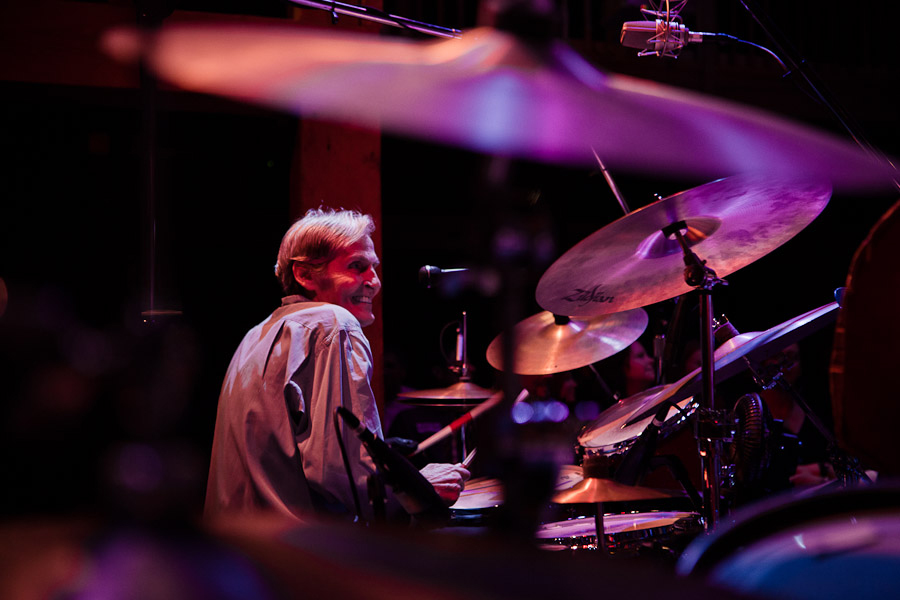
“The Midnight Ramble Sessions Volume 3” sessions represent last musical project with which the late drummer of The Band was involved. Helm personally hand-picked the album’s 13 songs from a five-year period of live Midnight Ramble recordings, 2006-2010 at the Barn, with his longtime band member and musical director, multi-instrumentalist Larry Campbell. The album features performances from the Levon Helm Band with special guests including the Black Crowes’ Chris Robinson, Jimmy Vivino, Elvis Costello and New Orleans legend Allen Toussaint, capturing the homespun spirit of those gatherings, a worthy posthumous tribute to Helm’s indomitable spirit and peerless musical abilities. Aside from listening to hours of tapes to come up with the final song selection, Helm also designed the cover art for the album.
Campbell explains that, after the Electric Dirt record, he and Levon began formulating what a third album might encompass. “He wanted it to be more representative of what this band was like at a live show, featuring all of the players,†says Campbell. “Levon was having health problems, so our plan was to go through the archives and pull out tunes that best showed what our lifestyle was like. That was his real, main motive, to showcase the band as best we could. And then he chose the tunes that he liked playing, and we edited it down to fit on a single CD. “There were probably 20 songs that he initially wanted us to include, but these were the ones we all finally decided were best.â€
“The Same Thing†from the just-released “The Midnight Ramble Sessions Volume 3″ has Helm in excellent form as his characteristic dynamic drumming drives a Dixieland /rock/soul infused gumbo in front of a lucky audience. Of “The Same Thing†(recorded Feb. 14, 2009) Campbell says : We’d been doing that song for a while and it turned out to be a great show opener. When Levon’s singing was on, it was just magical. Jimmy Vivino is playing slide guitar on this, and Mike Merritt was on bass that night. The song always just set a great mood to start the evening, so we figured we’d start the record with it.”