David Cobb – The Man Behind The Roots Music Tide

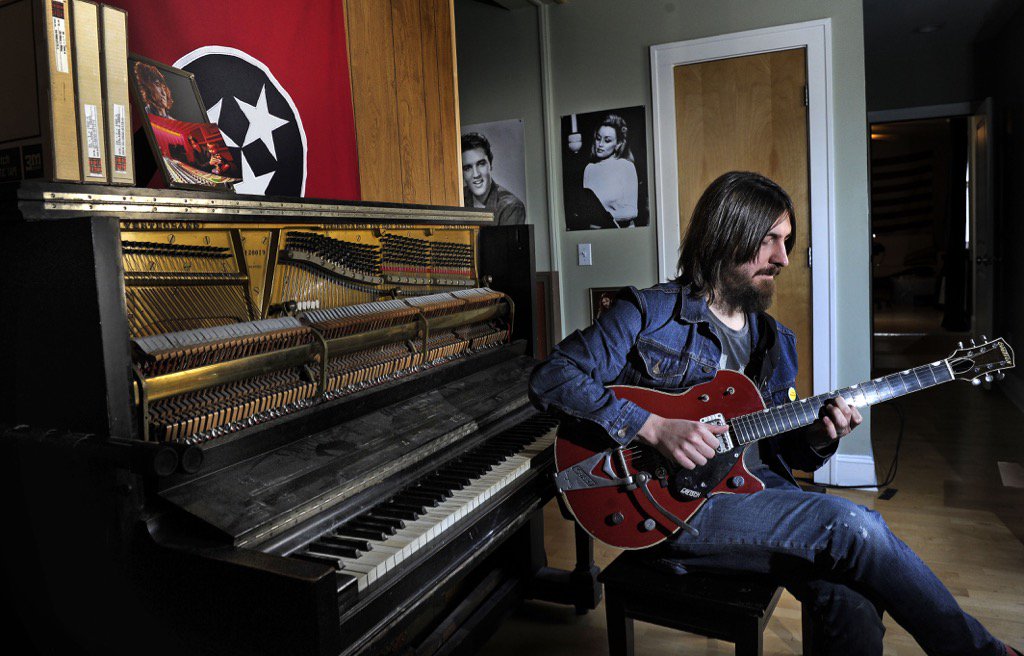
Dave Cobb

Being a great record producer means striking a delicate balance between passion for music and staking out an objective distance. One tip toward the former and a heavy hand can interfere in an artist’s true voice. Tip to the latter and there’s a technical hollowing resulting in a bloodless product.

David Cobb is a man that walks that line with his attention to detail and courage to take risks to capture sonic lightning in a bottle.

With a rock and roll heart he moved to L.A. to pursue a musician’s life. But through happenstance, his love for classic records, as well as the call of his Southern roots and love of family and friends, he has found himself one of the most in-demand producers in Nashville.

His journey to find the beating heart in the body of the process has led him to helping create in his home studio – or sometimes his kitchen in the case of Jason Isbell’s “Southeastern” – some of the most acclaimed records by contemporary roots artists. Folks like Shooter Jennings, Jamey Johnson, Chris Stapleton, Sturgill Simpson, Corb Lund, Lindi Ortega as well as upcoming releases by Holly Williams, Lake Street Dive and Amanda Shires – have found in him a kindred spirit. Incredibly talented people that he sees as more than clients, but as collaborators, friends and makers of sonic magic.

That’s what sets Cobb apart from other producers. Sure his first-hand knowledge comes from sitting where the musician sits and it buys him a good deal of credibility in the studio. But it’s his wide-eyed wonder, his true sincerity, his love of the art and faith in the artist that connects him in a way that few have done.

That also makes him a very busy man. Cobb took time from that busy schedule to talk to me from his home in Nashville.

TN: How long have you been in Nashville and what led you to move from L.A?

DC: I’ve been out here just over four years. Whenever I would travel out here the city was alive. This was the best music scene I’ve ever seen. There’s just an incredible amount of talent. The songwriting out here is insane.

TN: The city certainly has changed in the last few decades. It’s no longer just all about Music Row.

DC: Not at all. There’s such a great rock and outsider country scene. It’s alive, man. Everywhere you go.

TN: Your timing certainly seems right for where you wanted to take your career.

DC: It’s funny. What prompted me to move to Nashville was I was working with a band in L.A. and one of the guys in the band put on the song ‘Outfit” by the Drive-By Truckers. When I heard that song it really made me homesick. It reminded me of exactly how I grew up and the way it is in the Southeast. I suddenly felt a desire to come this way. I was in L.A. working with rock bands but now have a daughter and a move made sense. But hearing that song was a real pivotal thing. It’s funny how a lyric can rock you to the core like that. Then I chased that dude (Jason Isbell) down ever since to make a record.

TN: The Drive-By Truckers were one of the band that brought those same homesick feelings in me while riding the subway to work each day while living in New York City. Their sound was key in me starting this blog and begin discovering other bands in that vein.

DC: Absolutely, that’s the real sound of the South that I grew up with. Growing up in Georgia there was always a country music scene but this is beyond that. There’s this big lyrical , real songwriter thing. People playing in bars and writing great songs. This affects me much more than the typical country stuff. A little country and a little rock with a little folk. It hit me more than most of the stuff I’d been into.

TN: It’s refreshing and exciting to hear Southern songwriters grapple with our history while forging a new culture and new sounds toward the future.

DC: With the line “Don’t Tell ’em your Bigger Than Jesus, Don’t Give It Away” is pure Southern frankness and the swipe at John Lennon’s famous quote is excellent. The Southern idea that you’re suppose to keep yourself in check. You’re to know your place and never get cocky and not stray too far from home.

TN: Part of it is cultural and steeped in tradition but then there’s the economic part that if the next generation leaves where is the workforce for the mine or plant. A lot of great music deals with these themes of hardship and trying to get out.

DC: Absolutely. I remember after moving to California I would come back to visit my grandparents in Savannah and everyone would call you hollywood. You’d get teased pretty bad. It’s part of the Southeastern culture is there’s a culture of sticking it out. I actually enjoyed being a Southerner in L.A. I thought it was fun. Nobody ever moves there from Georgia. There’s lots of Texans and folks from the Mid-West but not from Georgia, it’s too far away.

TN; I’ve enjoyed L.A. the few times I’ve been there. I usually end up in some bar with Shooter (Jennings) As a matter of fact he’s the first person I remember bringing your name up.

DC: I just worked with Shooter again a few weeks ago in New York for the first time in years and we had a blast. I love that guy. I owe Shooter a lot and I would not be in Nashville today if it wasn’t for him. The first time I ever came to Nashville was to work on his ‘Electric Rodeo.’ He introduced me to great country music. Growing up my parents listed to Kenny Rogers and Barbara Mandrell, that sort of stuff. All I wanted to listen to was AC/DC (laughs.) My parents didn’t have Waylon or Don Williams records. Shooter turned me on to the good stuff. There was one record in particular called ‘White Mansions,’ ( by Waylon Jennings, Jessi Colter, John Dillon and Steve Cash) that’s the record that really got me. There’s something about the way it felt. It came at country in a very cinematic way, it’s very powerful.

TN: Tell me about the first time you met Shooter.

DC: I had this stupid idea when I moved to L.A. that I was going to buy a ’69 Dodge Charger and paint it like the General Lee and drive it around town. So I had these business cards made up with ’01’ printed on it. My manager set up a meeting with Shooter and I and I’m trying to hide my business card. Then we end up working together and doing stuff for the Dukes Of Hazard. L.A. is crazy like that. Shooter is one of the most humble and kind people I know. He’s the real deal.

TN: Few producers have had as much influence in contemporary roots music as you have. Part of the master plan?

DC: (Laughs) It’s definitely not part of a master plan. I moved to L.A. to do rock records. After my work with Shooter I did some songs with Jamey Johnson on ‘That Lonesome Song’ I started to get the country calls and that’s when I started coming to Nashville pretty regularly. One of the acts that called was the Oak Ridge Boys, one of my dad’s favorite bands. While working with them I had in the back of my head, my grandmother was a Pentecostal minister, and she used to tell my “Honey, you have to make music for the Lord,” she had the Oak Ridge Quartet records, she didn’t have a T.V. but she had those records. It was the first time my work connected with my past. That was exactly where I came from and the people I was surrounded with. You get this feeling that just feels like home.

I did a lot of research on that Oak Ridge Boys project. I started digging way back in old Gospel albums, stuff from the turn if the century. The music kept coming in and it started to mean more to me than the Led Zeppelin and The Beatles and Stones I grew up on. Then you realize that’s where they got it from.

TN: Why do you think Americana and roots music has become so commercially successful?

DC: My take, and it’s probably totally off, but with all the streaming and stealing music has no monetary value any more. But I think true artistry does. When Jason Isbell or Sturgill or Stapleton write records to…not be on the charts, not trying to make top 10 singles…it’s just making something personal. I think people are willing to put up money when they feel people are putting in the effort, making art. You want to buy the album, you want to go to the show and buy a t-shirt. It becomes more of a lifestyle instead of a commodity. There’s a loyalty instilled that you don’t get with pop. Theses fans will stick with them. Maybe real art is the only thing that defeats music piracy.

TN: When I saw Sturgill and Isbell early in their careers they were playing to small venues and giving it as much as if they were playing a large hall. They were giving people their moneys worth.

DC: I just think that’s who they are. I remember in rock bands growing up and there was “put on your stage costume.” These guys wear what they always wear , it’s who they are. They play these small clubs and they give it 110% it’s who they are no matter where they are because they love it. Money is not the motivation for these guys, I know them. I’m just happy that people are supporting them, it’s a very special time when people are craving something real.

TN: As someone helping to define the genre how would you define Americana?

DC: Man, I just see Americana is another word for honest. Call it what you want I’m just happy people are out supporting it. I thought it was great when Jason’s record went #1 on the folk, country and rock chart. That means they couldn’t figure out what it was so they had to spread it across categories. That’s great and really funny.

When I worked with Chris Stapleton at the big label Mercury they let him make the album he wanted with no pressure for singles. They got it. They let him make an honest record and they supported him down the line. I even see Nashville embracing real art, they are feeling the influences. For example I recently cut a song with Brandy Clark, she’s got one of the best voices I’ve ever heard. She’s amazing. I think things are changing for the best. I think a lot of mainstream artist might prefer to make a more honest album.

TN: How was it to work with Jason Isbell on his most acclaimed albums?

DC: He just writes these devastating songs. My job was to clear things out of the way of the lyrics. When he and I first met , and couple of weeks before we did ‘Southeastern,’ I played him one of my favorite records Simon and Garfunkel’s ‘Bridge Over Trouble Water.’ There’s a song on that record called ‘The Only Living Boy in New York,’ to me it’s a masterpiece if an album and I think the production is brilliant. It’s an acoustic feeling record that’s not acoustic at all. That’s the approach we wanted to take with Southeastern.’ It’s like he’s on an acoustic guitar singing directly to you but there’s a lot more going on. The way I work is I think vocals are the most important element for emotional communication. Especially when you have artists like Jason that write such great lyrics, my job is to hear that and clear the space and let that emotion through.

When we did the Isbell records we never listened to the songs before we go into the studio, He walks in and says “Here’s a song” and it’s like “Great let’s do it.” When he did “Elephant” from “Southeastern” it was one of those moments “I can’t believe this is coming through the speakers.” Like hearing a record you’ve always owned but are hearing for the first time. You know?

If I have a technique in the studio it’s to fly by the seat of my pants. I love when an artists vision is fresh and they nail it. To me that’s the best it’s ever going to be. You just have to believe in talented people.

TN: Is there a specific sound your chasing in these sessions?

DC: I don’t think I have a sound. Jason’s album doesn’t sound like Sturgill’s. They don’t sound like Stapleton. I never wanted to be that guy. I’m a huge fan of Nigel Godrich (Radiohead, Beck, Atoms of Peace) and you know when he’s made an album. I’d rather be a chameleon on that front. I guess if there’s a common theme it’s making sure the voice is primary. Make sure the singer is carrying the band. I cut everything live, all together, often in one room, but when the vocals great that’s the track. In modern records people go in and put everybody in booths and then once the instruments are done the singer cuts 50 passes of vocals then they mix it together and tune it. I prefer they way the Beatles or Stones did it, live and vocal leads the track.

TN: How did you end up working with George Jones for the Suidbillies theme?

DC: I met some folks at xx tigers doing by working with Nikki Lane in L.A., I was just then moving to Nashville, and I got a call from Cartoon Network to work with George. The writers of Squidbillies really know their country music. I was referred by the good people at 38 Tigers because they knew I loved classic country music. Next thing you know I’m in the studio working with George Jones! For me George Jones is the greatest country singer of all time. His runs and his whole feel, there’s something about him..when my daughter was young I put on a George Jones and Merle Haggard record where they were singing each other’s songs. I would play it for here so, even though she was born in L.A., she had a feeling of the South. That session was a blast. He’s one of the funniest human beings I’ve ever met. He did Donald Duck impressions the whole time. We brought in Hargus “Pig” Robbins to play piano, Pig had played on Jone’s ‘White Lightening,” it was awesome. I tried to make that session, that one song, emblematic of his career. I tried to make it sound like a late 50s George Jones record. He made this great video for my daughter talking like Donald Duck. He was just a wonderful human being.

TN: What other producers influenced you?

DC: I really love Glyn Johns work, especially with his 70’s work with The Who, Led Zeppelin and The Rolling Stones. I love the way ‘Sticky Fingers’ and ‘Let It Bleed’ feel. Other influence would be Stax and Muscle Shoals, I love the way those records feel too. The rawness comes from not seeing perfection as the outcome..the goal. I don’t like to let people think about stuff too much. I think it ruins records when you get neurotic. The rough edges are the absence of neurosis. I let people hear Otis Redding’s ‘I’ve Been Loving You Too Long’ If you listen to his vocal it’s sharp and flat and the guitar is rushing, but it’s perfect, It’s so perfect. With technology it’s so easy to tune and tweak you’d lose the whole feel of that song.

TN: Technology is a double-edged sword. It allows the next George Jones or Elliot Smith to record a masterpiece on a laptop and that masterpiece can then be processed to death.

DC: I’m not anti technology, but you have to be carful with the problems you’re trying to solve. Sometimes they’re not problems at all.

TN: One more question, I was told I need to ask you about your fake Greenland rock band.

DC: (laughs) I’ll probably get into trouble talking about this. I love the P.T. Barnham aspect of the music industry. It’s fun. I was working with an artist that was late to a session so me and the session drummer started messing around on some sill prog-rock track. I had the English singer from my old band come in and sing on it. I wanted it to be from a country nobody knows about. So, Greenland! Nobody ever knows anybody from Greenland. So I call this industry person and say “Hey there’s this band from Greenland you need to check out.” So I took the track down and played it for them, and they were loving it. And they said “We have to sign this band.” That’s when I told them that it was me and some friends goofing off. They said “I don’t care.” They took it to the head of a major label and played it for them and they said “I love it! I love it! We need to fly the band in from Greenland to do a showcase!” About a week later it all settled down but I got embarrass because it went too high so fast. I wanted it to be fake bands in monk robes that you can’t see their face, one on tour in the U.K. And one in America at the same time so you never know if you’re seeing the real band. I loved that we made a record where nobody knows who you are, there were no rules. It was really freeing. You could have anyone join the band, a revolving membership. It’d be fun.
Americana Music Festival 2015 Picks

americana-fest

Sleep deprivation, dehydration and perpetual joy at musical discovery are risks faced by attendees at the 16th annual Americana Music Festival and Conference this week in Nashville.

But those voluntary perils are undertook gladly for an opportunity to see some of the best roots music from around the world playing live showcases at multiple venues around the city and to partake in panels and seminars giving career tips and insights to musicians and other industry types. Then there’s the indescribably good Hattie B’s hot chicken) located near the hosting Hutton Hotel.

I’ll be skipping this year but if I were on the ground (and had a way to be many places at the same time) these are the shows I’d be sure to see.

Tuesday, September 15th

Donnie Fritts & John Paul White – 11:00 PM – City Winery

Wednesday, September 16th

The Suffers – 10:00 PM – Cannery Ballroom

James McMurtry – 11:00 PM – City Winery

Patty Griffin – 12:00 AM – City Winery

Thursday, September 17th

Ry Cooder / Sharon White / Ricky Skaggs – 10:00 PM – 3rd & Lindsley

Buddy Miller & Marc Ribot – 3rd & Lindsley

Ryan Culwell – 8:00 PM – The Basement

Daniel Romano – 12:00 AM – The Basement

Ray Wylie Hubbard – 9:00 PM – Cannery Ballroom

Pokey LaFarge – 10:00 PM – Cannery Ballroom

Randy Rogers & Wade Bowen – 11:00 PM – Cannery Ballroom

Eilen Jewell – 9:00 PM – City Winery

Dustbowl Revival – 10:00 PM – City Winery

Jeffrey Foucault – 12:00 AM – City Winery

Legendary Shack Shakers – 8:00 PM – The High Watt

Birds of Chicago – 9:00 PM – The High Watt

Lindi Ortega – 10:00 PM – The High Watt
https://www.youtube.com/watch?v=7AnMZG9sgkY

Possessed by Paul James – 12:00 AM – The High Watt

Mary Gauthier – 10:00 PM – The Listening Room

The Stray Birds – 8:00 PM – Mercy Lounge

Lera Lynn – 10:00 PM – Mercy Lounge

honeyhoney – 11:00 PM – Mercy Lounge

Humming House – 12:00 AM – Mercy Lounge

Darrell Scott – 6:00 PM – Downtown Presbyterian Church

Béla Fleck & Abigail Washburn – 7:00 PM – Downtown Presbyterian Church

Friday, September 18th

Lewis & Leigh – 8:00 PM – Mercy Lounge
September 16, 12pm AMA-UK Mid-Day Party, Blue Bar
September 17, 5:30pm, Acoustic Set at British Underground High Tea, Tin Roof

Sam Outlaw – 8:00 PM – 3rd & Lindsley

Caitlin Canty – 9:00 PM – City Winery

Lee Ann Womack – 9:00 PM – 3rd & Lindsley

John Moreland – 10:00 PM – Mercy Lounge

Whitey Morgan – 10:00 PM – 3rd & Lindsley

Cale Tyson – 10:00 PM – The High Watt

Jim Lauderdale – 11:00 PM – 3rd & Lindsley

Uncle Lucius – 12:00 AM – – 3rd & Lindsley

Henry Wagons – 11:00 PM – Basement East

American Aquarium — 12:00 AM – Mercy Lounge

Saturday, September 19th

Andrew Combs – 10:00 PM – Mercy Lounge

Doug Seegers – 10:00 PM – City Winery

Gretchen Peters – 11:00 PM – City Winery

The Hello Strangers – 12:00 AM – City Winery

Fats Kaplin and friends – 11 PM – The Station Inn

Sunday, September 20th

Thirty Tigers Gospel Brunch – 1:30 PM – City Winery

Listen Up! Aaron Lee Tasjan – “The Trouble With Drinkin’ ” [EXCLUSIVE]

Aaron Lee Tasjan
Aaron Lee Tasjan. Photo by Stacie Huckeba.

A highlight of last year’s Americana Music Festival was when my friends and I happened on a set at The High Watt while mulling about in the huge Cannery space in Nashville. The smaller, newer space was packed with onlookers, arm-to-arm, whose collective attention to the stage made us curious and whose collective body heat warmed the outside night chill out of us.

On the stage was a solo performer, spectacles covering most of his boyish face. A nautical-themed cap casting a shadow on the scruffy folk-singer with a side-slant smile. He picked at an old banged-up Guild acoustic, told stories about seeing Ted Nugent live and beautifully performed songs clever as they were reflective.

The crowd was transfixed by Aaron Lee Tasjan.

Tasjan had moved on from his glam rock days shredding guitar with New York City’s Semi Precious Weapons to and was making his way to his current incarnation as one of East Nashville’s most sought-after axemen and solo troubadours. Damn well transition too. On the surface his songs, Roger Miller and Frank Zappa, sprinkled with wry humor might divert you from the beauty of the songs and the care in the music. That would be a lazy mistake.

Case in point is Tasjan’S new song “The Trouble with Drinkin’” A Leon Russell-style folk-funk stroll through a place where heaven’s open bar keeps that amber current flowin’ through his mind. (Apologies to Willie Nelson) The musicianship and tight. the song structure if casual but deft, and those just here for the groove might overlook it. And that’s cool. But try a little harder and reap greater reward of deft song craft that would compel Shel Silverstein and John Prine to take him out for a few rounds.

Of “The Trouble with Drinkin’ ” origin Tasjan recalls:

“I came up with this song on my way out of Rock Island, IL. I was on tour last fall opening for The Legendary Shack Shakers. This was no small feat to accomplish because they are without a doubt one of the most exciting and entertaining bands I’ve ever heard, and I had to get up there with nothing but an acoustic guitar before they’d come on and decimate the place every night. We were playing a gig at a place that was also a brewery, and I had checked into a hotel that was right across the street from the venue, which can be dangerous. Touring all on your own has a great way of keeping your post-show good times in check because you have to be responsible for everything. You don’t have to be as responsible when there’s nothing to do after a show but stumble across the street to your hotel room while on the phone to Domino’s. Playing a gig at a brewery is always gonna be a tough one, too, if you like beer because they’re going to give you a shit ton of it, and you’re probably going to drink it either because you want to or because you were raised to be polite and take what you’re offered.

I woke up the next morning feeling pretty alright, save for the late-night pizza and all those free beers, so I went to a coffee shop to get some breakfast. Afterward, as I went to pay, I realized—or more accurately, thought that I realized—I left almost all the money from the gig in the hotel room I’d just vacated. When I went back to the room, though, the cash wasn’t there so I decided to retrace my steps in my mind to figure out the last place I had it. And that’s when the suddenly vivid memory of my pizza delivery man profusely thanking me multiple times upon receiving payment for the pizza came back to me. At the time, I’d drunkenly thought, “What’s the big deal? Anyone can pay for a pizza. It’s not a particularly impressive thing to do.” But it probably was pretty impressive to the delivery guy that I’d handed him all my gig money, effectively paying him around $200 for a $10 pizza.

At first I was mad he kept it, but then I thought, “Man. Maybe this guy could really use it. Maybe he came up $100 short on his kickstarter and now he can make an album and get out of this pizza gig or something.” Either way, I made peace with it and started driving down the road thinking about how I probably shouldn’t get hotel rooms close enough to the gig that I could George Jones myself out of two C notes. It had all been too easy. That was the trouble with it—there wasn’t any trouble with it. And I do like things that don’t require too much effort.”

Aaron Lee Tasjan’s “The Trouble With Drinkin’” is from his debut solo LP ‘In the Blazes,’ out Oct. 6th

UPCOMING TOUR DATES
8/1: Newport, KY – Southgate House Revival w/Lilly Hiatt
8/20: Charlotte, NC – The Evening Muse w/Lilly Hiatt
8/29: Tulsa, OK – The Colony w/Wink Burcham
9/3: Memphis, TN – 1884 Lounge w/Ray Wylie Hubbard

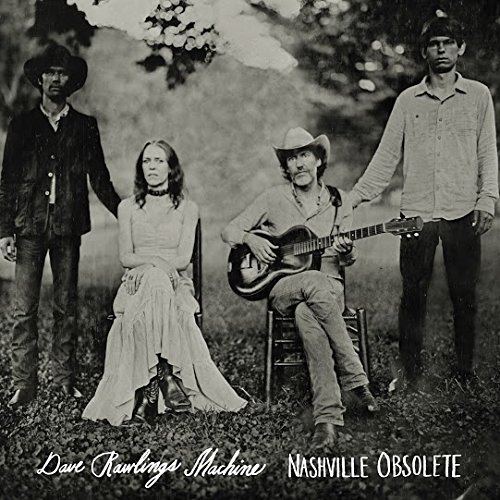
Dave Rawlings Machine Announces New Album ‘Nashville Obsolete.’

Dave Rawlings Machine

2015 Americana releases are about to get much, much better.

Dave Rawlings Machine has announced the release of their second album, ‘Nashville Obsolete,’ on Acony Records on September 18. ‘Nashville Obsolete,’ is the follow-up to the 2009 debut ‘A Friend of a Friend.’

‘Nashville Obsolete’ was recorded on analog tape at Woodland Sound Studios in Nashville, TN, whose client list includes Willie Nelson, Bob Seger, Neal Diamond, Emmylou Harris, John Mellencamp, Johnny Cash, Steve Earle, Elton John, Lynyrd Skynyrd, Dusty Springfield, Alabama and many, many others.

‘Nashville Obsolete’ features seven original compositions written by Rawlings and longtime collaborator Gillian Welch and produced by Rawlings. This will be the seventh studio album the duo have appeared together on.

Along with vocals and guitar byRawlings and Welch, other contributors included Willie Watson on vocals and guitar, Punch Brothers Paul Kowert of on bass, and guest appearances from Brittany Haas on fiddle and Jordan Tice on mandolin. A tour in support of the album is forthcoming.

Welch and Rawlings, along with Buffy Sainte-Marie, Don Henley, Ricky Skaggs & Los Lobos, will also be presented with the Lifetime Achievement Award for Songwriting from the Americana Music Association during the 2015 Honors & Awards ceremony held at the historic Ryman Auditorium in Nashville. The award will be presented to the two days before the album is released on September 16.

1. The Weekend
2. Short Haired Woman Blues
3. The Trip
4. Bodysnatchers
5. The Last Pharaoh
6. Candy
7. Pilgrim (You Can’t Go Home)

Pre-orders of ‘Nashville Obsolete’ are currently available from iTunes and physically and Amazon

Here’s Welch and Rawlings’ opening number of “65 Revisited,” the Bob Dylan 50th anniversary tribute of his electric performance at Newport Folk Festival.

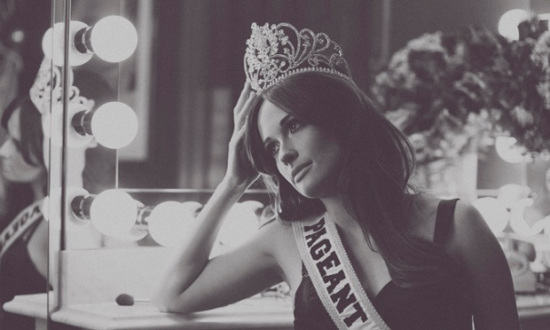
Album Review: Kacey Musgraves – ‘Pageant Material’

kacey-pageant material

Musgraves, like Taylor Swift before her, has a way uncannily bringing people that wouldn’t be caught dead listening to a George Jones record into the dusty fold.

But unlike Swift’s winsome fairytale strewn path to a pure-pop exodus Musgraves shows on ‘Pageant Material,’ that she’s content to stick around Music Row for a while, and use her wit, charm and a stiff shot of deft songcraft to draw in the twang wary and change things from the inside.

Musgraves’ pop comes in the form of populism that is less soapbox serenades than barstool banter. Songs like “Biscuits” and the excellent title song speak in appealing, self-depreciating southern grammar to draw you into ideas of non-conformity and acceptance while bringing the highfalutin down to earth.

Musgraves also takes time to have fun. “High Time” is a perfect Summer song that moseys along in Ronnie Milsap pop-country accentuated by a carefree whistling , well-timed hand claps and a sweep 50’s era Nashville Sound stings.

“Family is Family” is a fun jaunt in praise of blood lines that would give John Prine and chuckle. “Late To The Party” is a cuddly soft folk ballad that has Musgraves letting out her inner James Taylor. “Dimestore Cowgirl,” allows us to travel along with on her exceptional journey. “I’ve had my picture made with Willie Nelson/Stayed in a hotel with a pool” “Slept in a room with the ghost of Gram Parsons/ Drank some wine I can’t afford.” While reminding us she’s not getting above her raising and celebrates home in a way that feels real. Cause I’m still the girl from Golden, Had to get away so I could grow / But it don’t matter where I’m goin’, I’ll still call my hometown home.”

“This Town” is a personal favorite. With reverbed guitars, tambourine and eerie ‘Ode To Billy Joe’ – style strings Musgraves does her best Nancy Sinatra in this study on small town grapevine with it’s gossip and legit news puts Twitter to shame.

Musgraves worked behind the scenes foy years in Texas and Music Row before signing to Mercury Nashville and releasing “Same Trailer, Different Park.” Her chops shine in this excellent clutch of songs crafted with some of the friends – Shane McAnally, Brandy Clark, Luke Laird, Ashley Arrison, Josh Osborne, and Natalie Hemby – she’s made along the way.

Musgraves has much in common with one of her heroes, Willie Nelson. Both are adroit at the game and genre boundaries and are able to push the them to make room for a larger community. They affect change through the ver Southern qualities of quiet strength of example and likeability. They both stand as examples to an an industry, already excluding the female and alternative voice, that change is good.

‘Pageant Material’ is a subtle hillbilly Buddhist bomb of a record that will challenge attitudes. biases and business while being bracingly real.

The simple power is summed up nicely in a line in “The Good Ol’ Boys Club.” “It shouldn’t be about who it is you know / but about how good you are.”

four-half-rate

Americana Music Association Announces 70 Additional AmericanaFest Acts

americana-fest

Building on an already stellar first-round lineup The Americana Music Association announced an additional 70 artists to perform at the 16th annual Americana Music Festival & Conference, which takes place in Nashville and runs September 15-20, 2015.

The six-day, city-wide festival fills Music City with fans, legends, newcomers, and tilts the quest for glitz into the early direction of a quest for a great song. With over 150 artists and bands scheduled, the event continues to dominate as the premier showcase for roots music and culture.

In addition to previously announced acts such as Los Lobos, Patty Griffin, and Lee Ann Womack, AmericanaFest will feature Ry Cooder, performing with Sharon White and Ricky Skaggs, Donnie Fritts performing with former Civil War John Paul White, former Old Crow Medicine Show member Willie Watson, current member of Old Crow Medicine Show Gill Landry supporting his solo effort.

Also included are Cale Tyson, Lindi Ortega, Luther Dickinson, Kelsey Waldon, Buddy Miller, Jim Lauderdale, Gretchen Peters, American Aquarium, Legendary Shack Shakers and Madisen Ward and the Mama Bear who held a mesmerizing performance last year at Jack White’s Third Man performance space.

The list of the second round announcements is below, and a complete list can be found here.

Showcase wristbands ($50, increasing to $60 on August 15) allow admission into all showcase venues, some sanctioned parties and special events, and can be purchased here. Festival and Conference registrations ($365 for members/$465 for non-members) offer priority admission into all showcase venues, sanctioned parties and events, daytime educational panels, come with one ticket to the critically acclaimed Americana Honors & Awards show at the historic Ryman Auditorium, and can be purchased here.

List of Artists Added to AmericanaFest 2015:
Adam Faucett
American Aquarium
Amy LaVere
Andrew Leahey & The Homestead
Band of Heathens
Buddy Miller
Buxton
Cale Tyson
The Carmonas
Daniel Romano
Darrell Scott
David Wax Museum
Dirty River Boys
Donnie Fritts & John Paul White
Doug Seegers
Dreaming Spires
Dustbowl Revival
Eddie Berman
Eilen Jewell
The Fairfield Four
Gill Landry
The Good Lovelies
Great Peacock
Gretchen Peters
The Hillbenders
The Honeycutters
Humming House
JD & The Straight Shot
JD Souther
Jeffrey Foucault
Jim Lauderdale
Jonathan Tyler
Josh Rouse
JP Harris
Kacy & Clayton
Kelsey Waldon
Legendary Shack Shakers
Lewis and Leigh
Lindi Ortega
Los Colognes
Low Cut Connie
Luther Dickinson
Margo Price
The Mavericks
McCrary Sisters
Michaela Anne
Miss Tess & The Talkbacks
Nathaniel Rateliff & The Night Sweats
Paper Bird
Pine Hill Project (featuring Richard Shindell & Lucy Kaplansky)
Pony Boy
Porter
Possessed By Paul James
Raised By Eagles
Ron Pope & The Nighthawks
Ry Cooder/Sharon White/Ricky Skaggs
Ryan Culwell
Sam Outlaw
Spirit Family Reunion
The Suffers
T. Hardy Morris
T Sisters
Taarka
Those Pretty Wrongs
Town Mountain
Uncle Lucius
Whitney Rose
Willie Watson
The Wood Brothers

Watch Out! Rolling Stones – “Dead Flowers” with Brad Paisley Nashville June 17, 2015

Rolling Stones - "Dead Flowers" with Brad Paisley

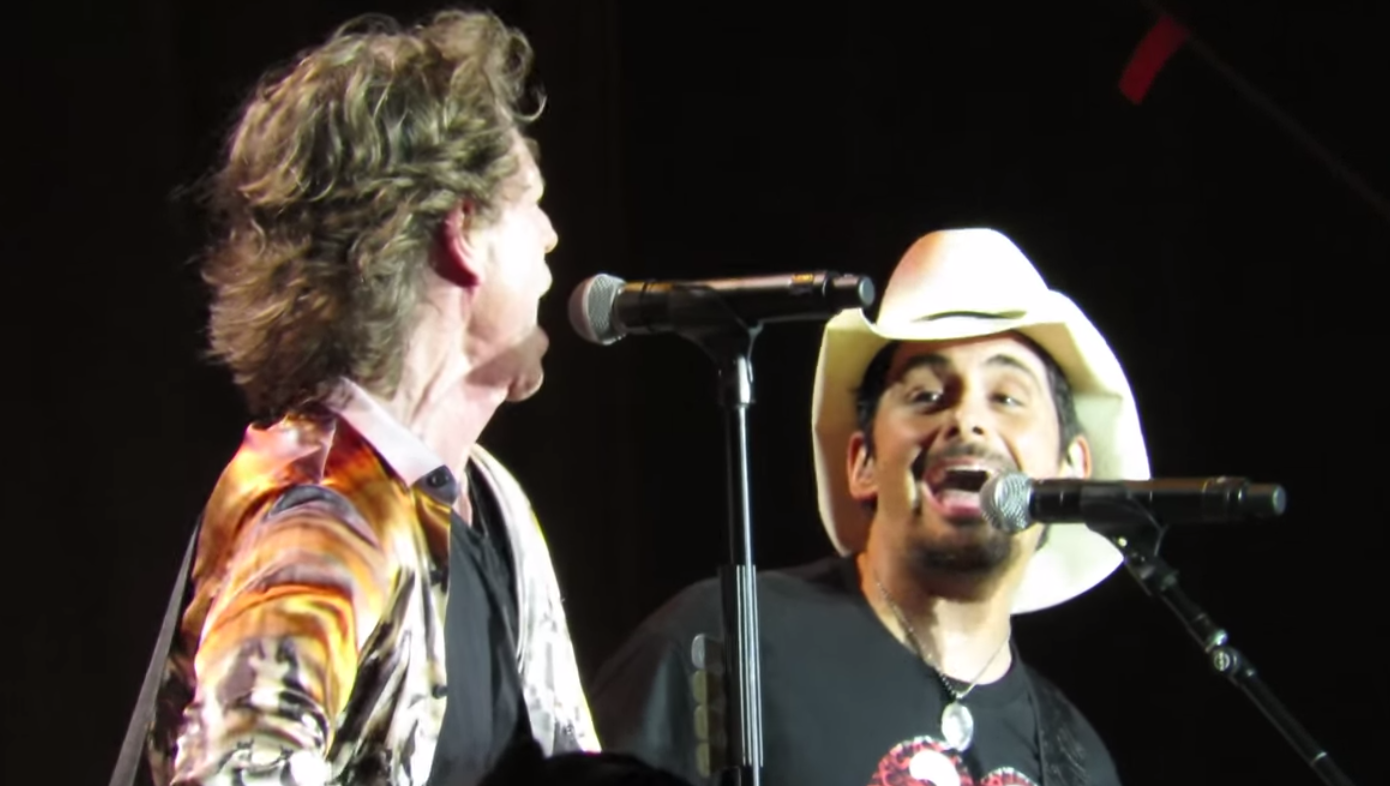
The Rolling Stones are about half-way through their American “Zip Code” tour, but they waited until last night at Nashville’s LP Field to break out the classic cowboy junky track “Dead Flowers.”

Mick and the boys had vocal and guitar help from opener, and fanboy, Brad Paisley, who is donning his own classic lips and tongue logo shirt for the occasion.

See the fan-filmed coolness below.

Listen Up! Rolling Stones – Alternative Take of “Dead Flowers”

5SvYf1C
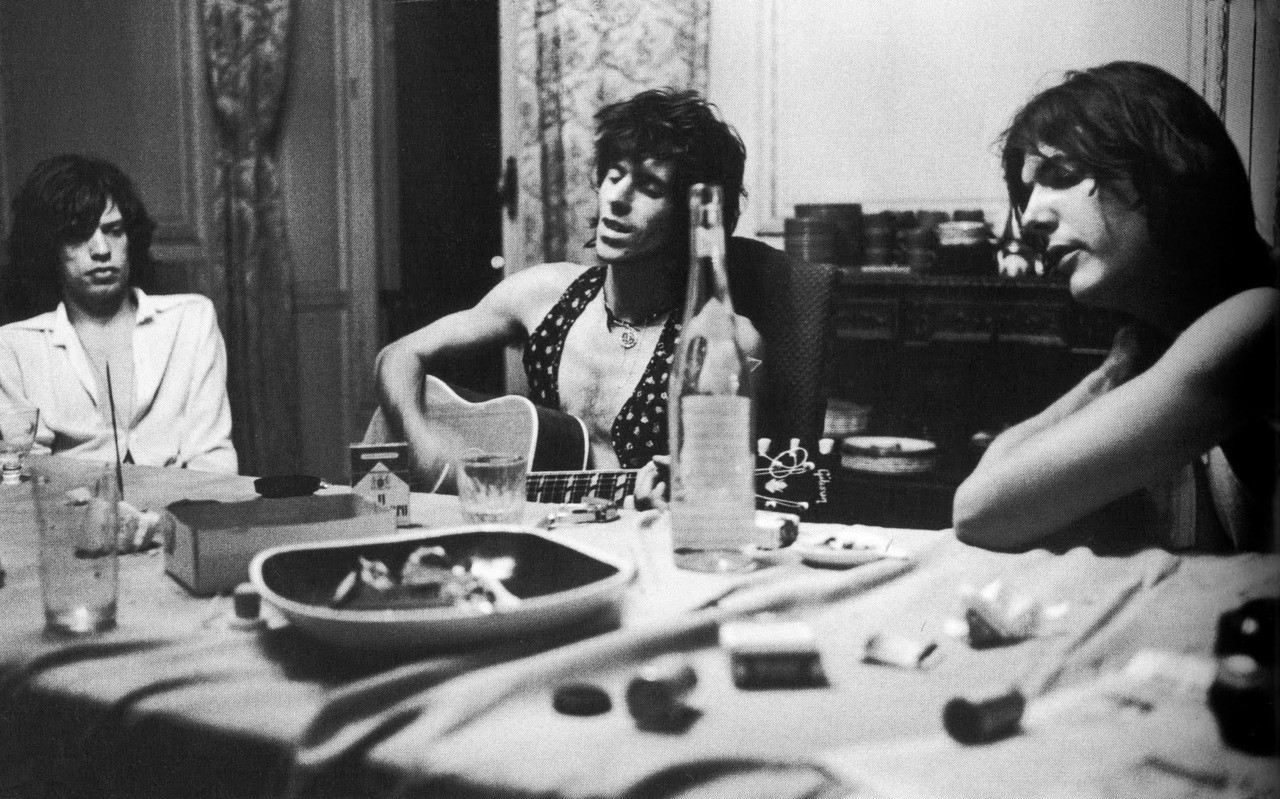
Jagger, Richards and Parsons

If there’s an Americana equivilent to the setlist chestnut ‘Wagon Wheel” it would be , well, ‘Wagin Wheel.” But coming in close second would it have to be The Rolling Stones’ “Dead Flowers” from arguably their finest album, “Sticky Fingers.’

“Sticky Fingers” is the album most influenced by Keith Richards and Gram Parsons’ friendship and time shared in Paris during the “Exile on Main St.’sessions. Parsons shared his love of classic American country music with Richards and it appears to have taken hold in the The Stones sound over several albums.

Adding to the rootsier direction early recording sessions began at the famed Muscle Shoals Sound Studio in Alabama in December 1969 and later completed at the band’s mobile studio located at Jagger’s summer home at Stargroves, England in 1970.

This rendition, of the song was recorded in 1970, and will be one of the unreleased cuts included the the June 9 ‘Sticky Fingers’ anniversary reissue. This take has a more upbeat, ramshackle tempo from the band. Ian Stewart’s piano is pushed down in the mix, and it cranks up the country-fried guitar interplay between Richards and the newest band member Mick Taylor.

Lucinda Williams , Sturgill Simpson and Shakey Graves Lead 2015 Americana Awards Nominees

americana-fest

The Americana Music Awards just announced their 2015 nominees, and Lucinda Williams, Shakey Graves and Sturgill Simpson lead the pack with 3 nominations apiece. All were nominated for Album of the Year and Song of the year. Williams and Simpson share the Artist of the Year category with Lee Ann Womack, Rhiannon Giddens and Jason Isbell. Shakey Graves shares the Emerging Artist of the Year category with First Aid Kit, Houndmouth, Nikki Lane and the man behind one of the great stories of the year, Doug Seegers.

The awards will again be presented at the Mother Church of Country Music, the historic Ryman Auditorium in Nashville.

As impressive as it is the full list of nominees below is it offers just a glimpse of the diverse and strong field of Americana and roots artists building this sustainable genre and cultural force. There are no outliers, surprises or dark horses in the nominees, but that’s not the point of award shows. It’s to reward and display some of the most marketable of the genre to a larger public in order to grow a sustainable fan base for these artists and the next coming up, many of whom can be found playing the week-long festival at local clubs.

As mainstream country starts to take notice of Americana celebration each year in Music Row’s back yard I can’t help but feel that some of that influence (and, yes, proven success. It’ s still a business) won’t have some positive effect on roots music as a whole.

2015 Americana Honors & Awards Nominees

Album of the Year (Award goes to Artist and Producer)
‘And The War Came’ – Shakey Graves; Produced by Alejandro Rose-Garcia and Chris Boosahda
‘Down Where The Spirit Meets The Bone’ – Lucinda Williams; Produced by Lucinda Williams, Tom Overby and Greg Leisz
‘Metamodern Sounds In Country Music’ – Sturgill Simpson; Produced by Dave Cobb
‘The Way I’m Livin” – Lee Ann Womack; Produced by Frank Liddell
‘Tomorrow Is My Turn’ – Rhiannon Giddens; Produced by T-Bone Burnett

The surprise the this category is the quirky, less rootsy ‘And The War Came’ by Alejandro Rose-Garcia aka Shakey Graves. I love that country superstar Lee Ann Womack has been so warmly embraced by the community for her great work on ‘The Way I’m Livin’ ‘ and Rhiannon Giddens more than deserves to be here fit her wonderful release. I believe it’s going to a photo finish between Lucinda Williams and Sturgill Simpson.

Artist of the Year
Rhiannon Giddens
Jason Isbell
Sturgill Simpson
Lucinda Williams
Lee Ann Womack

A Lee Ann Womack win would be badass and I believe likely winner Sturgill Simpson would agree.

Duo/Group of the Year
Bela Fleck & Abigail Washburn
The Lone Bellow
The Mavericks
Punch Brothers
Shovels & Rope

Can’t quibble with anything here but it would be cool if Brooklyn’s The Lone Bellow walked away with it.

Emerging Artist of the Year
First Aid Kit
Houndmouth
Nikki Lane
Doug Seegers
Shakey Graves

Love Doug Seegers but I have to go with Nikki Lane on this one. Though I would have her in Artist of the Year as she’s now on her second excellent release (which should be up for AOTY)

Instrumentalist of the Year
Hubby Jenkins
Laur Joamets
Greg Leisz
John Leventhal
Stuart Mathis

Great performers all but I have to go with Lucinda’s axw\e-master Stuart Mathis here. The man’s a genius of nuance and a really nice guy as well.

Song of the Year (Award goes to Artist and Songwriter)
“Dearly Departed” – Shakey Graves; Written by Alejandro Rose-Garcia and Esme’ Patterson
“East Side Of Town” – Lucinda Williams; Written by Lucinda Williams
“Terms Of My Surrender” – John Hiatt; Written by John Hiatt
“Turtles All The Way Down” – Sturgill Simpson; Written by Sturgill Simpson
“You’re The Best Lover That I Ever Had” – Steve Earle & the Dukes; Written by Steve Earle

Song of the Year is where I have plenty of conflicts. No Nikki Lane “The Right Time?” No American Aquarium ‘Man I’m Supposed To Be?’ No Cory Branan ‘Missing You Fierce’
9 or Old 97s ‘Longer Than You’ve Been Alive’ Oh well, I don’t program for radio and am looking at (and voted) this category differently than my contemporaries.

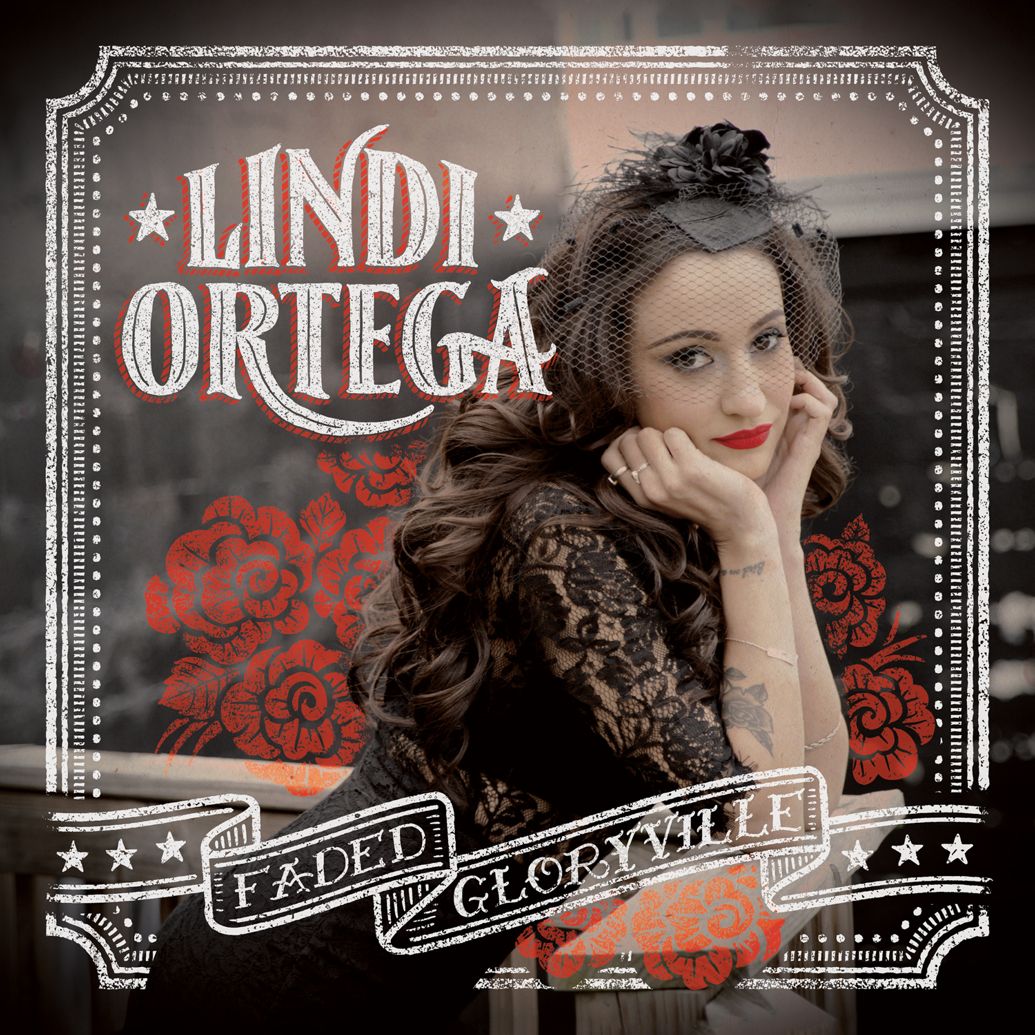
Lindi Ortega To Release ‘Faded Gloryville’ August 7th

1035x1035-ortega

On August 7th everyone’s favorite dark country chanteuse, Lindi Ortega, will release her fourth album ‘Faded Gloryville’ out on Grand Tour/Last Gang Records.

Ortega lends her signature crystal trill and lonesome wail to the album, created over three sessions and produced by Dave Cobb (Jason Isbell, Sturgill Simpson, Shooter Jennings), who also worked on her previous effort, ‘Tin Star’ recorded three songs at the Sound Emporium in Nashville. Colin Linden (T Bone Burnett), who was behind her “Cigarettes & Truckstops’ album., produced four songs and the Single-Lock Records heads Ben Tanner (Alabama Shakes) and John Paul White (Civil Wars) produced three songs tracked in Muscle Shoals, including a Nina Simone-inspired update of the Bee Gees classic “To Love Somebody.”

The press release reads “Although all three sessions were different, every one of them focused on live studio takes, capturing both the rough-edged rawness of Ortega’s live performances and the smooth salve of her voice.”

“There’s something about the Shoals that entices artists to forget themselves, to reimagine, to reinvent,” says John Paul White, whose harmonies can also be heard on three of the album’s tracks. “Lindi did a great job of immersing herself in what we do around here, yet retain that thing that makes her indelibly unique. That takes an amount of confidence that most do not have.”

The Canadian ex pat appears to have a cinematic frame of mind for her newest effort. To her “‘Faded Gloryville’ represents a state of mind — a place we all visit on our way to something bigger and better. It’s the dark, dreary town that looms on the near horizon, infinitely closer that the far-off destination we’re trying to reach. Most weary travelers pull their cars into ‘Faded Gloryville’ and stay awhile, beaten down from the long journey. Some are willing to dust themselves off and leave town in the morning, though, determined to chase after their goals regardless of the conditions.”

“‘Faded Gloryville’ isn’t just about music,” she told Rolling Stone Country. “It’s about anything that brings you down, whether it’s dreams not coming true or relationships not working out, and its message is this: you can go to place where you’re feeling really down about things, but it’s what you do afterwards — do you decide to reside there forever, or do you leave and make the situation better — that matters. You have to travel through ‘Faded Gloryville’ to get to Paradise.”

‘Faded Gloryville’ Pre-order

Tour Dates

‘Faded Gloryville’ – Track Listing
1. Ashes
2. Faded Gloryville
3. Tell It Like It Is (Hear below)
4. Someday Soon
5. To Love Somebody
6. When You Ain’t Home
7. Run-down Neighborhood
8. I Ain’t The Girl
9. Run Amuck
10. Half Moon