Watch Out! Rolling Stones – “Dead Flowers” with Brad Paisley Nashville June 17, 2015

Rolling Stones - "Dead Flowers" with Brad Paisley

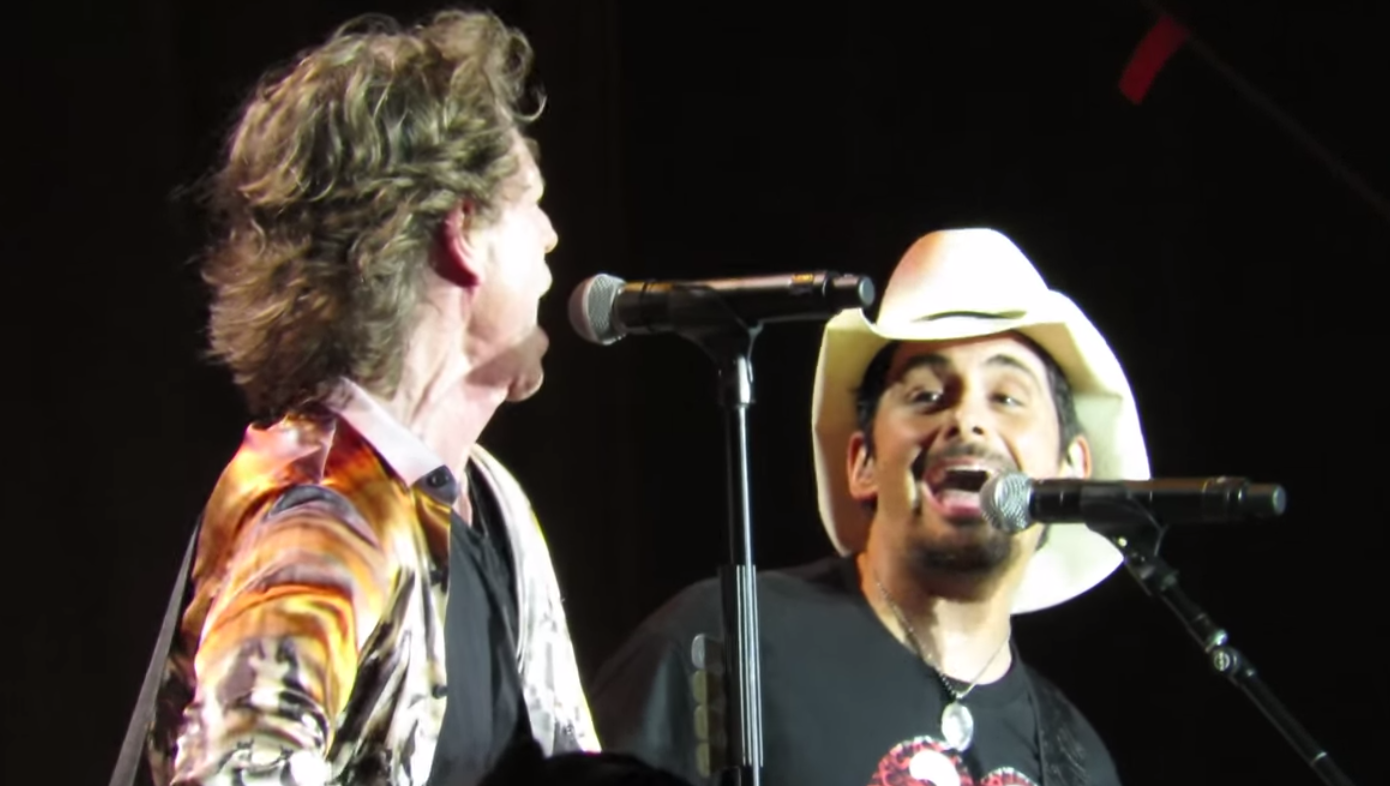
The Rolling Stones are about half-way through their American “Zip Code” tour, but they waited until last night at Nashville’s LP Field to break out the classic cowboy junky track “Dead Flowers.”

Mick and the boys had vocal and guitar help from opener, and fanboy, Brad Paisley, who is donning his own classic lips and tongue logo shirt for the occasion.

See the fan-filmed coolness below.

The Band Vinyl Box Set To Be Released

The seven studio albums released by the Band on Capital records will be released in a new vinyl boxset, ‘The Band: The Capitol Albums 1968-1977.’

The nine disc set includes such classics as Music From ‘Big Pink’, ‘The Band’ and ‘Stage Fright’ along with the double live album Rock of Ages.

All will be remastered for vinyl from the original analog masters. The LPs are housed in a heavy-duty outer box with the original artwork and packaging faithfully recreated for each title.

http://www.youtube.com/watch?v=7Pgtfuw1X28&sns=em

From the press release:
Before stepping into their own spotlight in 1968, The Band’s members already shared an extensive collaborative history. Between 1960 and 1962, the then-teenaged multi-instrumentalists Levon Helm (drums, vocals, mandolin), Robbie Robertson (guitar, piano, vocals), Rick Danko (bass, vocals, fiddle), Richard Manuel (keyboards, vocals, drums) and Garth Hudson (keyboards, horns) first performed and recorded together as members of the backing band for Ronnie Hawkins called the Hawks. In late 1963, the Hawks struck out on their own and became Levon & the Hawks, performing and recording under this name in 1964 and 1965.

In 1965, Robertson met with Bob Dylan in New York, just as Dylan was seeking an electric guitarist for his touring band. Robertson and Helm joined Dylan at his Forest Hills and Hollywood Bowl shows, and then convinced Dylan to bring all The Hawks on for the rest of the tour. The Hawks backed Dylan on the road from October 1965 through 1966 as he incensed audiences in the U.S., Australia and Europe, performing electric sets. Disheartened by the vocally disdainful ‘folkie purist’ audience response to their first plugged-in performances with Dylan, Helm left the band in November 1965.

After the 1966 tour concluded, The Hawks woodshedded for the next year in upstate New York, often in the company of Dylan, forging a highly original sound that in one way or another encompassed the panoply of American roots music: country, blues, R&B, gospel, soul, rockabilly, the honking tenor sax tradition, Anglican hymns, funeral dirges, brass band music, folk music, and modern rock, fused and synthesized in ways that no one had ever before thought possible.

In 1967, the former Hawks were re-joined by Helm as they prepared to record their first full-length album. The Band was born in 1968 with the release of Music From Big Pink, which debuted to glowing reviews; a journalist for Life magazine wrote that The Band “dipped into the well of tradition and came up with a bucketful of clear, cool, country soul that washed the ears with a sound never heard before.” While the album only reached No. 30 on Billboard’s chart when it was released, it has become recognized over time as one of the most important albums in the history of rock, and its lead single, The Weight, a timeless rock staple.

The Band’s second, self-titled album, released in 1969, was launched with the hit Up On Cripple Creek. But it was the second single, Robertson’s Civil War song, The Night They Drove Old Dixie Down, that rose to the top of the charts (for both The Band and Joan Baez), pushing the album to gold and elevating The Band to headliner status. Both hits were sung by Helm. Two more songs from The Band would go on to become staples of FM rock radio, the rollicking Rag Mama Rag and the socially conscious King Harvest (Has Surely Come).

Stage Fright ushered The Band into the ’70s. Both the title track, sung by Danko, a reflection on the stardom they had achieved, and The Shape I’m In, featuring Manuel’s vocals, became FM favorites as album rock burgeoned into a viable format. The Band’s fourth album, 1971’s Cahoots, features the funky, New Orleans sound of Life Is A Carnival, a collaboration by Robertson, Helm and Danko, and Bob Dylan’s When I Paint My Masterpiece, which preceded Dylan’s own recorded version.

During the final week of 1971, The Band played four legendary concerts at New York City’s Academy Of Music, ushering in the New Year with electrifying performances, including new horn arrangements by Allen Toussaint and a surprise guest appearance by Dylan for a New Year’s Eve encore. Highlights from the concerts were compiled for The Band’s classic 1972 double LP, Rock Of Ages, which peaked at No. 6 on the Billboard 200 and remains a core album in the group’s Capitol catalog (in 2013, Capitol/UMe released remixed recordings from all four shows on The Band: Live At The Academy Of Music 1971).

Moondog Matinee, an album of cover songs released in 1973, features The Band’s version of Ain’t Got No Home, a 1957 R&B hit by New Orleans legend Clarence “Frogman” Henry. Helm credited Hudson with rigging up a hose he sang through to achieve “that lovely frog voice” the song requires.

The Band’s sixth studio album was Northern Lights-Southern Cross, a clever reference to their Canadian roots and their love of the American South. The 1975 album features the Dixieland-tinged Ophelia, as well as Acadian Driftwood and It Makes No Difference. Released in 1977, Islands was The Band’s final Capitol album and the last to feature the group’s original line-up. The album includes The Saga of Pepote Rouge, a typically eccentric Band song, and a cover of Georgia On My Mind.

In 1989, The Band was inducted into the Canadian Juno Hall of Fame; five years later they were accorded the same honor by the Rock and Roll Hall of Fame. In 2008, The Band was honored with The Recording Academy’s Lifetime Achievement Award.

Sadly, three members of The Band, Richard Manuel, Rick Danko and Levon Helm, have passed away, but The Band’s legacy lives on, in their recordings and in their tangible influence on popular music since they first hit the scene, wowing not only Bob Dylan, but many other major players of the day, including Eric Clapton, George Harrison, and Miles Davis. Making Americana music before the term even existed, Rick, Levon, Garth, Richard and Robbie collectively constituted the only ensemble to ever rightfully earn the sobriquet The Band.
The Band: The Capitol Albums 1968-1977 will be released on July 31.

Modern Outlaws to Pay Tribute to Waylon Jennings

waylon-trib

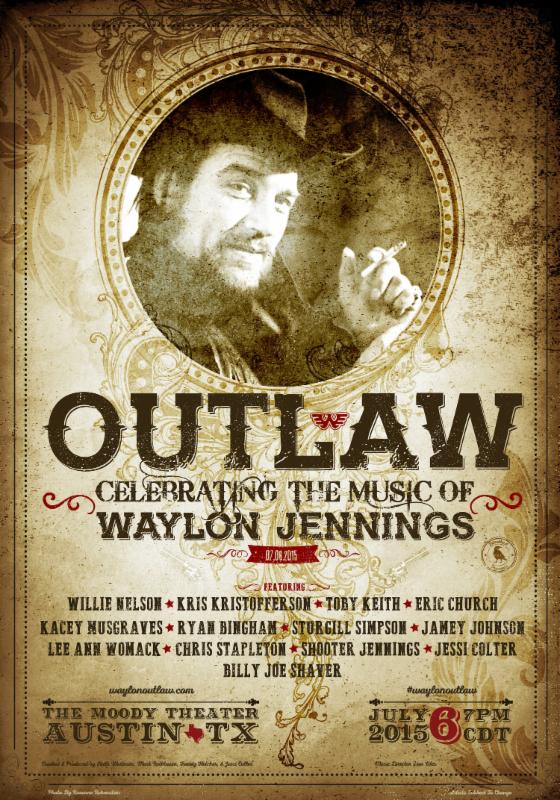
On July 6th at Austin’s Moody Theater some of country and roots music’s most independent spirits will convene to pay tribute to a musical and cultural pioneer that helped blaze a trail they all travel, Waylon Jennings.

Two days after Willie Nelson’s Picnic many in Austin for Willie’s already fantastic event will gather with others to pay tribute to Jennings who died in his sleep in 2002 of diabetic complications.

The level of talent makes the ticket prices easier to swallow, $150 to $400, which go on sale at acl-live.com at 10 a.m. on Waylon’s birthday, Monday, June 15.

Ticket buyers also have an opportunity to purchase tickets to an exclusive after-party, proceeds which benefit “the United Way and earmarked to help Central Texas residents most affected by the recent Memorial Day floods,” according to a statement on the ACL Live website.

The lineup of “Outlaw: Celebrating the Music of Waylon Jennings”:

• Willie Nelson • Kris Kristofferson • Sturgill Simpson • Jamey Johnson • Kacey Musgraves • Toby Keith • Lee Ann Womack • Ryan Bingham • Eric Church • Chris Stapleton • Billy Joe Shaver • Jessi Colter • Shooter Jennings

Watch Out! Kacey Musgraves Performs “Biscuits” On Tonight Show With Jimmy Fallon

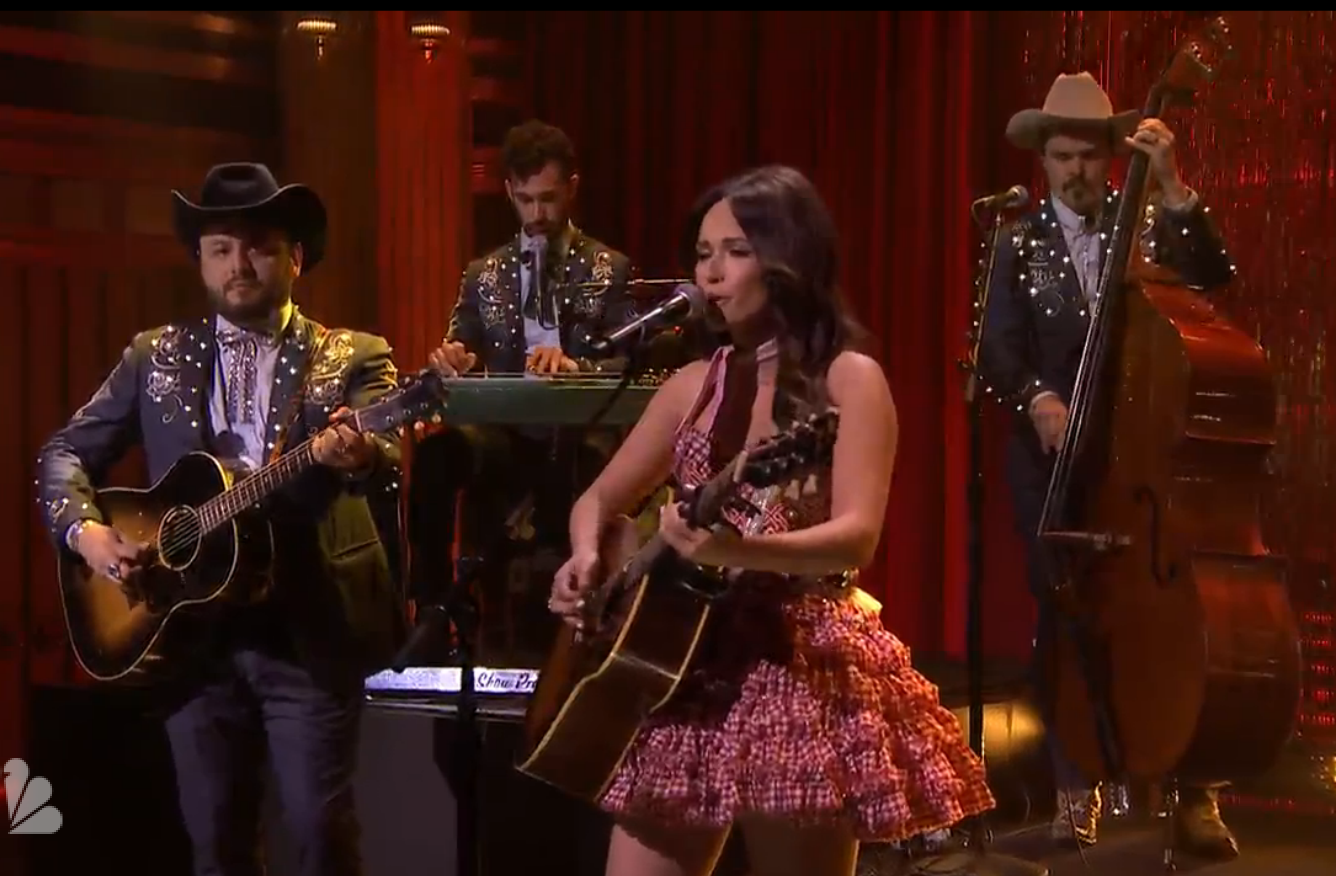
Kacey Musgraves Performs “Biscuits” On Tonight Show With Jimmy Fallon

Kacey Musgraves is hitting the late night circuit ahead of her much-anticipated release ‘Pageant Material’ to be released later this month.

Musgraves treated fans to her steaming hot latest single “Biscuits.” The song reflects Kacey’s own no nonsense spunk and charm, and she and the band sported their cosmic country and western finery as they always do on her road performances.

‘Pageant Material’ is the follow-up to 2013’s 2-time Grammy-winning ‘Same Trailer Different Park’ and is sure to top the country and Americana charts.

In a separate video Musgraves reveals the song’s writing session with Shane McAnally and Brandy Clark and how “Biscuits,” how the recording session took advantage of some authentic bakeware as instrumentation and why the song wasn’t included on ‘Same Trailer Different Park’

Catch the replay and song background below.

Musgraves also gave some background on how she, Brandy Clark and

Listen Up! Chris J. Norwood – “How Am I Gonna Be Your Rock?”

Chris J Norwood

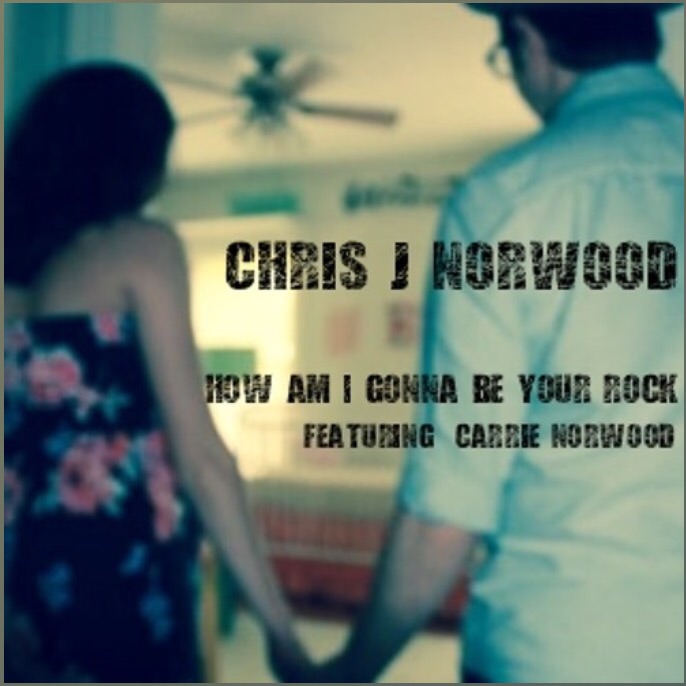
Chris J. Norwood and his wife Carrie are expecting the birth of their first child. But this happy occasion came after a long, hard stretch of fruitless attempts and, after success, a heartbreaking miscarriage.

Now a month away from becoming a father the Dallas area singer/songwriter guitar-slinger, and hired gun for locals like Ronnie Fauss and Cole Risner, has used those experiences and worked it through the healing catharsis of music.

The cut’s breezy delivery belies the frustration, fear and hope that the couple grappled with. Norwood plays acoustic guitar, bass and lovely organ flourishes. Steve McClure soulful pedal steel and Josh Rodgers shuffling beat fit the intimate feel beautifully.

The lyrics give a glimpse of what those were like. Fittingly Carrie joins Chris in recalling their hope against hopelessness that resulted in this lovely song of devotion.

Turnpike Troubadours To Release Self-Titled Album

Turnpike Troubadours

I still don’t know what Red Dirt Music is, but if the Turnpike Troubadours is it give me more!

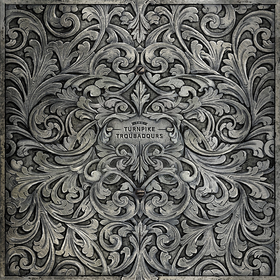
The dynamic Oklahoma band will release their self-titled third album, September 18th on Bossier City Records/Thirty Tigers. The album will contain 12 songs – like the raucous “The Mercury” and “Bossier City” and the melodically tender “Down Here”, “How Do You Fall Out Of Love” and “A Little Song”.

‘The Turnpike Troubadours’ is the follow up to the band’s breakthrough 2012 sophomore release ‘Goodbye Normal Street,’ which debuted at #57 on the Billboard Top 200 and #14 on the Billboard Country Chart.

I predict this’ll be a great one.

Watch Out! Willie Nelson and Merle Haggard – ‘Missing Ol’ Johnny Cash’ [VIDEO]

Willie Nelson, Merle Haggard - Missing Ol' Johnny Cash

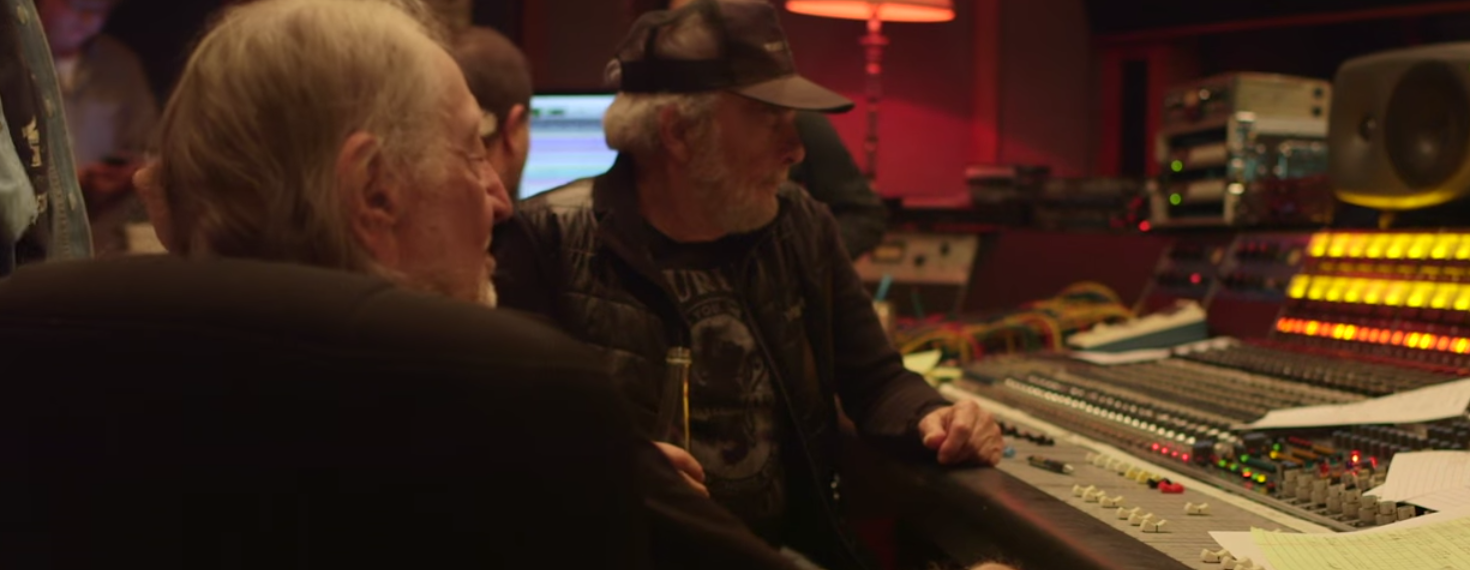
Another charming, behind-the-scenes music videos in a series showing Willie Nelson and Merle Haggard working on their new collaboration ‘Django and Jimmie’ at Willie’s studio in Luck, Texas.

Thats Django as in the legendary gypsy-jazz guitarist Django Reinhardt and Jimmie as in Jimmie Rodgers, the vaudevillian dandy turned mythic “Singing Brakeman.”

Each a personal musical influance to the respective Willie and Merle.

Featured in the video are the main men along with Willie’s longtime producer, collaborator and friend Buddy Cannon. Bobby Bare joins his old friends as a recording on the song ‘Missing Ol’ Johnny Cash’ is a honky-tonker that allows the men to reminiscence about the times with the Man in Black.

Merle describes his approach to writing the song like this ‘It was just some words that I had some chords to. Not really a melody to it, just kinda rapping.”

I sounds more like talking blues to me but I’m hardly one to argue with The Hag.

There’s some great stories throughout including a NSFW one at the end told by Merle.

‘Django and Jimmie’ is out now.

An Americana Response to #SaladGate

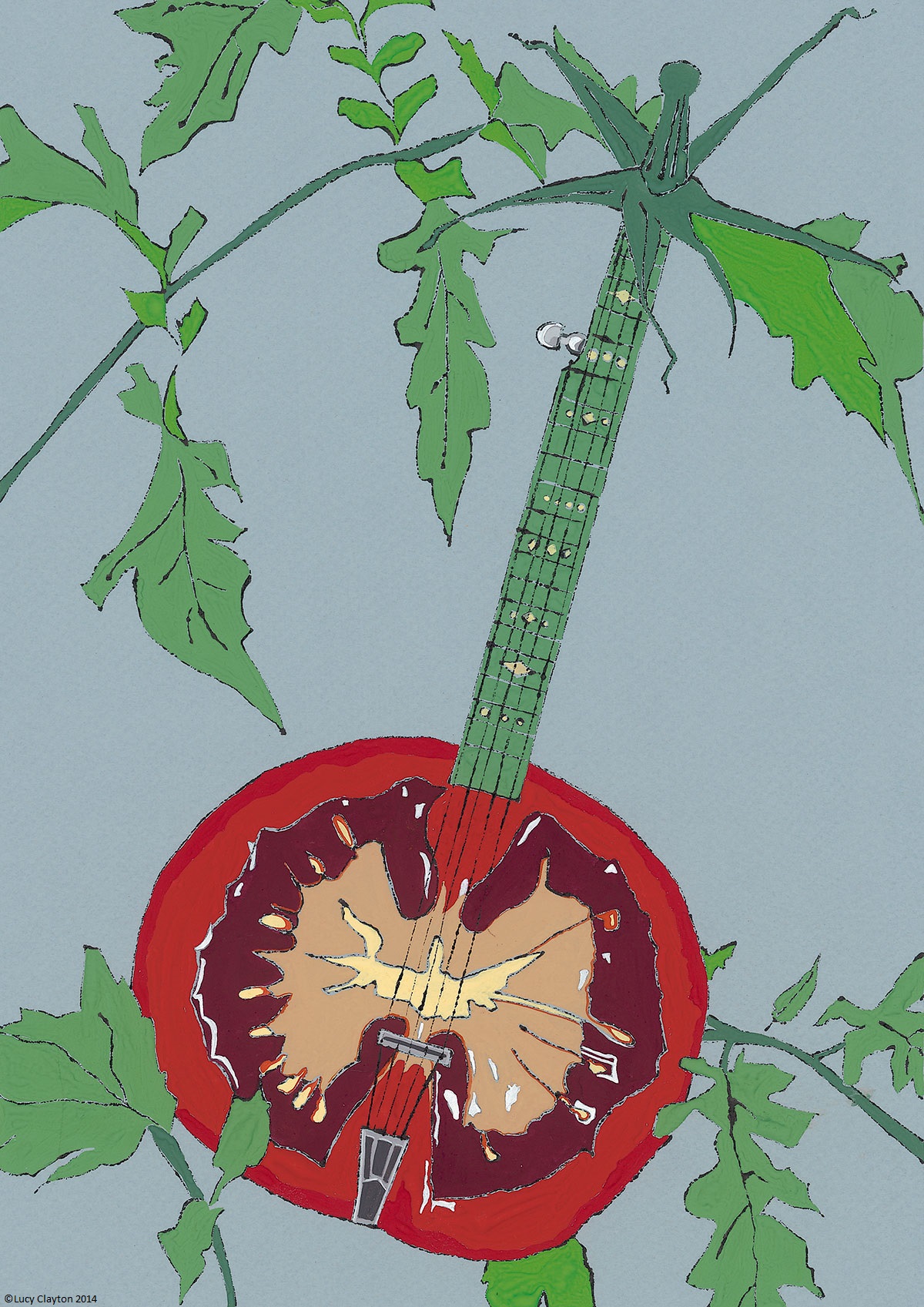
Tomato Banjo by Lucy Clayton

Tomato Banjo by Lucy Clayton – www.lucyclaytonart.co.uk/

“Homegrown tomatoes homegrown tomatoes
What’d life be without homegrown tomatoes
Only two things that money can’t buy
That’s true love & homegrown tomatoes.”

Guy Clark – ‘Homegrown Tomatoes’

The lack of female voices represented on the mainstream country radio airwaves has been a topic of controversy in recent times. Bloggers and traditional journalists have been covering it for several years. As have male an female performers that have made it in the business and those trying to.

But seldom do you hear an insider state publicly reveal a formal industry effort to limit women artists on country radio format airwaves.

In a revealing interview Keith Hill, a South Padre Island, Texas-based radio consultant (and “The Worlds (sic) Leading Authority In Music Scheduling” according to his twitter profile stated that it was his opinion that two songs by women shouldn’t be played consecutively on mainstream country radio.

“If you want to make ratings in country radio, take females out,” Keith Hill tells the industry publication. “The reason is mainstream country radio generates more quarter hours from female listeners at the rate of 70 to 75 percent, and women like male artists. I’m basing that not only on music tests from over the years, but more than 300 client radio stations. The expectation is we’re principally a male format with a smaller female component. I’ve got about 40 music databases in front of me and the percentage of females in the one with the most is 19 percent. Trust me, I play great female records and we’ve got some right now; they’re just not the lettuce in our salad. The lettuce is Luke Bryan and Blake Shelton, Keith Urban and artists like that. The tomatoes of our salad are the females.”

Needless to say this revelation ricocheted across social media in the form of #SaladGate (must we affix -gate to every controversy? The 70s are over people!) But Hill is voicing quantitative strategic practices systematic through the mainstream country industry. Hill is a practitioner, but also a messenger that need not be shot. He’s given thinking people a gift. He;s exposed a system that coarsely regulates performers, and fans, to numbers to tweak. This bloodless manipulation has led to rationalized sexism given faux-authenticity by the numbers and measurements.

Which brings me the Americana.

In my years of covering this music, talking with industry people, fans and performers, there is no mention gender litmus or barriers. Sure theres PR efforts and charts for radio play, but nothing like the quant machine that pushes mainstream country into homogenous mediocrity and accidental sexism. The Americana chart numbers, I believe, reflect balance by reflecting accurately a mix of releases by male and female artist.

A glance at the current Americana Music Association chart shows 10 female solo or female-fronted bands in the top 30 spots. This jibs with my personal experience seeking and receiving pitches for new releases.

It’s not surprising, it;s common. The value systems are different.

Generally, there’s very little overlap in the audience for Americana and that of mainstream country music. Much of the Americana fan base is comprised of people that hold some past era of country music as preferred and no longer represented by Music Row or country radio.

Or as Jason Isbell said from the stage at Paramount Center for the Arts in Bristol, Tennessee “It’s not lost on me that this is the birthplace of country music. I live in Nashville, which is the final resting lace for country music.”

Well, that’s not entirely accurate. A wider spectrum of country music is found in Americana. Whether Isbell, Sturgill Simpson, Daniel Romano, Kelsey Waldon or Lee Ann Womack – much of older forms blended with contemporary themes and forms find a creative cultural refuge of sorts. With demanding but open-minded fans and performers given the freedom to push and challenge themselves and the audience.

Sure they want to make music their primary vocation, but they’re not pressured to fit a mold to do so. They’re free to test ideas in the wilds of the road to see what sticks. This encouragement and reward of risk-taking results in richer cultural artifacts. The performer and audience for a community or respect and encouragement to see how far things might be pushed.

Like many things in our great nation our standards for goods have increased in number gradually diminished in quality over time. Wee all know it. And it’s not an accident.

Commercial interests took precedence over health and cultural well-being. Misplaced faith in modern science (chemistry and behavioral) fueled by rationalized greed led to mass pooduced mediocrity. Some made us spiritually so.

These practices, mixed with increased mass-media hype, conditioned us over generations that this was the way of things and they couldn’t be any other way.

But things have changed. The Internet allows sharing of ideas and ideals. Industries noticed and have responded. Local, farm-raised food and craft beer came into vogue as well as organic, more human forms of music void of artifice of motive or manufactured hype.

Or as our great-grandparents called it food, beer and music.

The “Telecommunications Act of 1996” has allowed a great deal of large and small market consolidation across America. To a large corporation relative market preferences and cultural taste is hard (and expensive) to serve. Bedt to load all airwaves to the same L.A. or New York feed and economically spill out cultural sewage while watching approval needles move and cash roll in.

If the cultural pendulum swung away from the artificial and hyped to the authentic and satisfying in food and drink why not a swing in cultural nourishment?

Thus the rise of Americana as a viable genre in all its many, messy manifestations.

Though there is the occasional old gatekeeper mentality toward those judged interlopers (cough…Linda Chorney…cough) for the most part it’s a community of that celebrates great music and holds a high, if murkily defined, standard of quality devoid of gender/race/whatever bias.

There are no Keith Hill looking at detailed demographic reports and market-tested product (songs) to determine whether they should “exist” or not. This form of Taylorism might result in dependably manufactured toasters and cars, but it makes for crappy culture.

Admission to Americana is only respect for music and people. Appreciation for great music, skillfully performed by people that see music as an ends of honest vocation rather than a means to celebrity.

Crazy huh?

Of course if more people sought out their own damn music there would be less opportunity for potential industrial bias.

Listen Up! Sara Rachele – ‘Rebecca’ [PREMIER]

Sara Rachele - 'Rebecca'

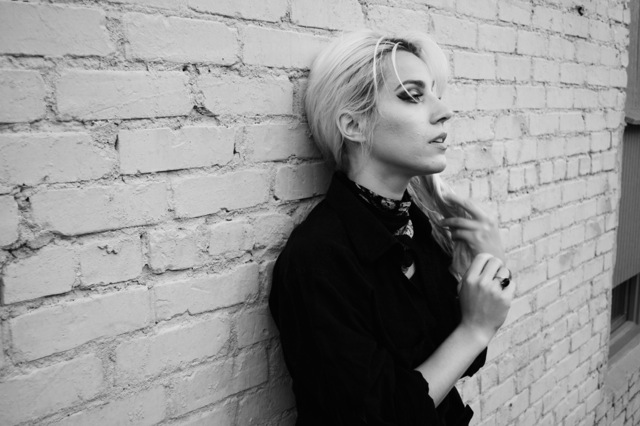
‘Rebecca,’ the new affecting cut from Atlanta native, NYC-based Sara Rachele, allows her to work within the sparse production, provided by Kristofer Sampson, using her voice (situated somewhere between Emmylou Harris and Stevie Nicks) to soar across an acoustic guitar while softly serenaded by songbirds and field crickets.

About the song she says ‘My name is Sara Rachele, and I live with regret,’ that’s the way I introduced this song the first time I played it live on stage… ‘Rebecca’ is a story about choice, and consequence. And recovery… The recovery you do when you look yourself in the mirror and don’t really like that person. The part during that.

We recorded this to a two track tape machine as I sat outside in the evening of a hot day in Madison County… Just the three guys and I from my band at the time. I sat in the yard in the tall grass alone, with the cicadas and the truth.

The B side to this single is a piece of one of my favorite hymns, ‘It Is Well,’ it deals with finding comfort after loss, and I’m interested in understanding that… As a writer, and in life.

Sara Rachele’s ‘Madison County,’ out on limited run 7” vinyl, and digital-only, will feature ‘Rachele’ on the A side. The B side is a duet with Andy Leon Appling, ‘It Is Well with My Soul,’ first published in 1876 is public domain. Both songs were recorded live to 1/2 inch tape, in Danielsville GA, of Madison County.

Pre-order here.

Listen Up! Rolling Stones – Alternative Take of “Dead Flowers”

5SvYf1C
Jagger, Richards and Parsons

If there’s an Americana equivilent to the setlist chestnut ‘Wagon Wheel” it would be , well, ‘Wagin Wheel.” But coming in close second would it have to be The Rolling Stones’ “Dead Flowers” from arguably their finest album, “Sticky Fingers.’

“Sticky Fingers” is the album most influenced by Keith Richards and Gram Parsons’ friendship and time shared in Paris during the “Exile on Main St.’sessions. Parsons shared his love of classic American country music with Richards and it appears to have taken hold in the The Stones sound over several albums.

Adding to the rootsier direction early recording sessions began at the famed Muscle Shoals Sound Studio in Alabama in December 1969 and later completed at the band’s mobile studio located at Jagger’s summer home at Stargroves, England in 1970.

This rendition, of the song was recorded in 1970, and will be one of the unreleased cuts included the the June 9 ‘Sticky Fingers’ anniversary reissue. This take has a more upbeat, ramshackle tempo from the band. Ian Stewart’s piano is pushed down in the mix, and it cranks up the country-fried guitar interplay between Richards and the newest band member Mick Taylor.