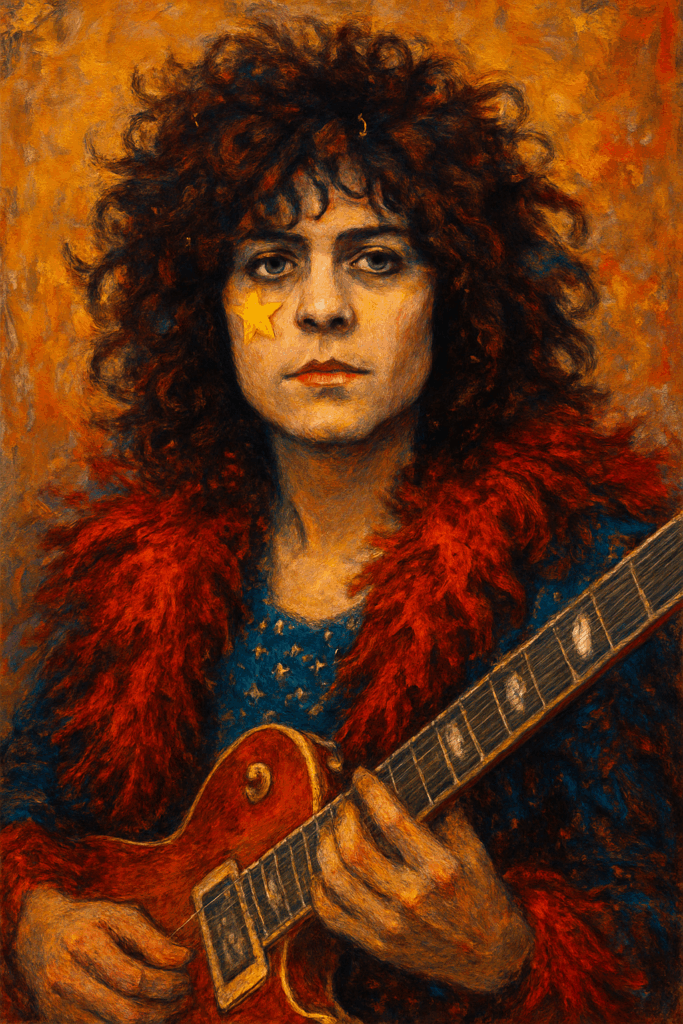
The Glittering Light That Never Went Out: The Legacy and Influence of Marc Bolan

Marc Bolan didn’t just write songs — he cast spells. With a feather boa, a star-streaked face, and a guitar riff that could split the world open, he led T. Rex into a sound that became both a revolution and a refuge. Even now, decades after his time on Earth ended, his influence hums through modern music like an electric current.

The Spark That Started Glam Rock

Before David Bowie became Ziggy, before a single glitter-flecked platform boot stomped across the airwaves, Marc Bolan struck the match that would become glam rock. When Electric Warrior (1971) landed, it didn’t just redefine rock — it reshaped what rock stars could look and sound like. Bolan’s fusion of boogie riffs, mystical imagery, and sexual flamboyance gave permission to a generation of artists to be loud, luminous, and unapologetically strange.

His performance on Top of the Pops in 1971 — curls wild, glitter glowing — wasn’t just a moment. It was ignition.

The Sound That Echoes Across Generations

Marc Bolan’s songwriting remains deceptively simple: three chords, a groove, and a sense of swagger sharp enough to cut yourself on. Yet beneath that surface was something timeless — a pulse that still animates rock, punk, indie, glam-metal, and even modern pop.

You can hear Bolan’s fingerprints in, David Bowie, who absorbed Bolan’s early glam sensibility and launched it into the cosmos. The Smiths, whose jangly melancholy often hid Bolan-esque flourishes.Johnny Marr, The Smiths’ guitarist, has frequently cited Marc Bolan as a major musical idol and a primary inspiration for his own work. Prince, who embodied that same fusion of sex, glitter, and guitar heroics. The New York Dolls, inheritors of his lipstick-and-leather bravado. Modern acts like Suede, MGMT, and The White Stripes, all of whom channel his stripped-down magic.

Bolan’s riffs were gateways: accessible for young musicians, irresistible for anyone with a pulse.

A Poet in Platform Shoes

Marc Bolan carried mysticism the way others carry keys — casually, constantly, and with a sense of private knowledge. His lyrics mixed Tolkien, street slang, cosmic metaphors, and nonsense syllables until they made their own kind of sense. “Jeepster,” “Metal Guru,” and “Get It On” weren’t just songs — they were spells, coded messages from a world half-real and half-imagined.

He turned throwaway lines into anthems, and vague images into myth.

A Life Cut Short, An Influence That Isn’t

Bolan died in 1977 at only 29, leaving behind a body of work that feels far larger than the years he had to make it. His early departure froze him in time — forever young, forever shimmering, forever on the verge of the next great sound.

In the years since, his legend has only grown. Each generation discovers him anew: some through Electric Warrior, some through The Slider, some through the countless artists who still carry his style in their bones.

Even today, his music shows up in film scores, fashion campaigns, indie playlists, and vinyl collections like a secret handshake — a sign that the listener understands something about beauty, about swagger, about freedom.

The Eternal Warrior

Marc Bolan’s legacy is not just about glam rock, or riffs, or glitter — it’s about possibility. He showed the world that a rock star could be a poet, a trickster, a shapeshifter. He made weirdness sacred. He made simplicity sublime. And he made the stage a place where anyone could shine like a star.

The glitter he scattered never faded. It just settled into the culture, where it still catches the light.

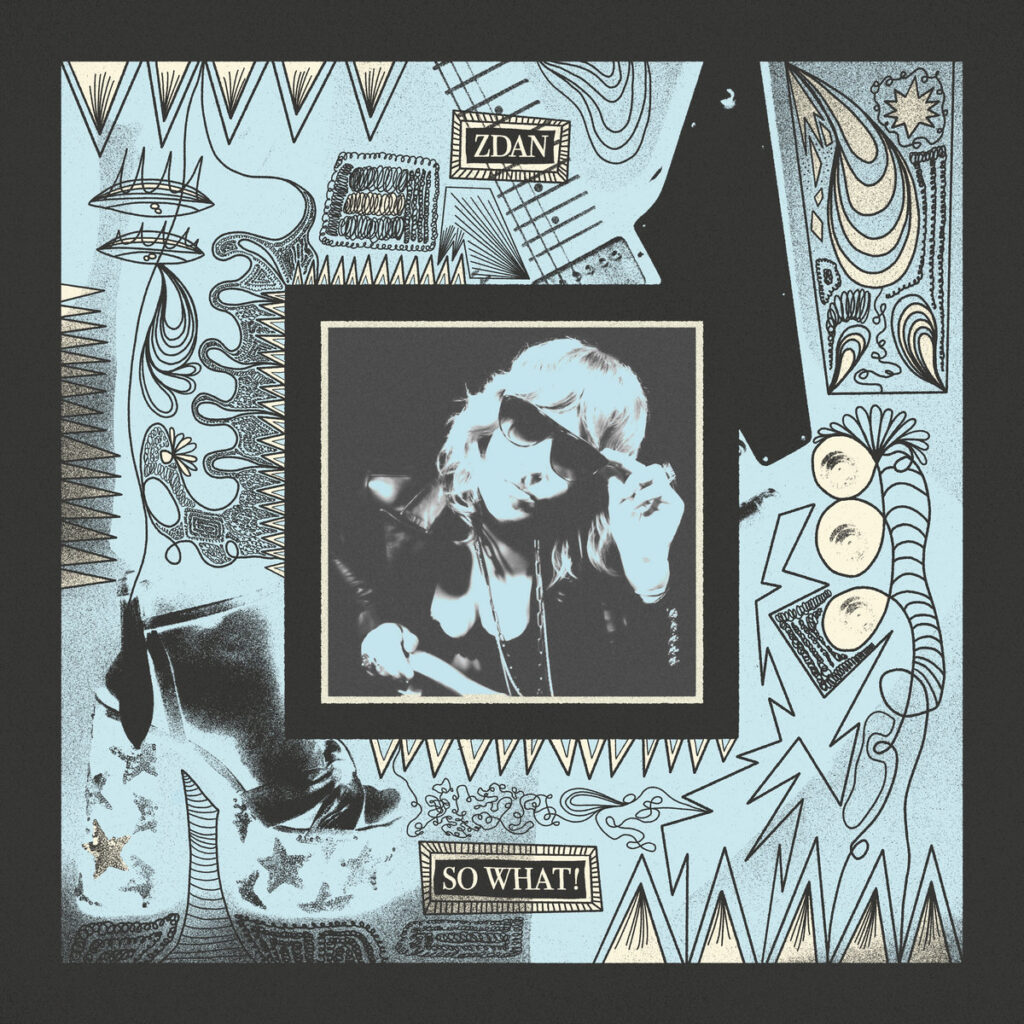
Listen up! Brandy Zdan – SO WHAT!

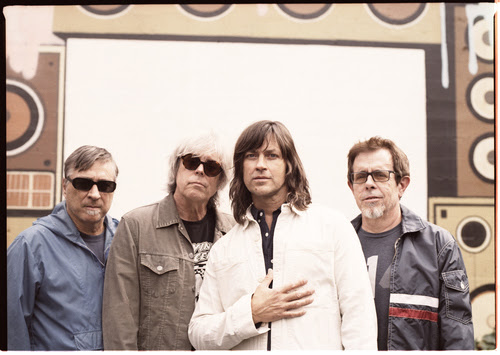
Brandy Zdan’s new album SO WHAT! is a fiery, full-throttle declaration of self-reliance and renewal. Known for blending Americana grit with alt-rock edge, Zdan leans hard into guitar-driven power on this record, delivering songs that sound both lived-in and defiant. From the opener “save me (rock ’n’ roll)” onward, she plays like someone who’s wrestled her way back to joy — unfiltered, electric, and alive.

There’s a sense of liberation pulsing through SO WHAT!, not just in the sound but in its making. Zdan crowdfunded the project to ensure a female producer’s voice at the helm — a rarity in rock circles — and that energy of taking control radiates through every riff and lyric. It’s an album that shrugs off hesitation and expectation in equal measure, proving that raw emotion and polished craft can coexist beautifully.

For fans of roots rock and Americana’s modern edges, SO WHAT! is both a homecoming and a leap forward. It’s not nostalgic — it’s defiant, hopeful, and entirely present. Roll the windows down, turn it up, and let Zdan remind you why rock ’n’ roll still saves souls.

4 1/2 / 5

website | buy

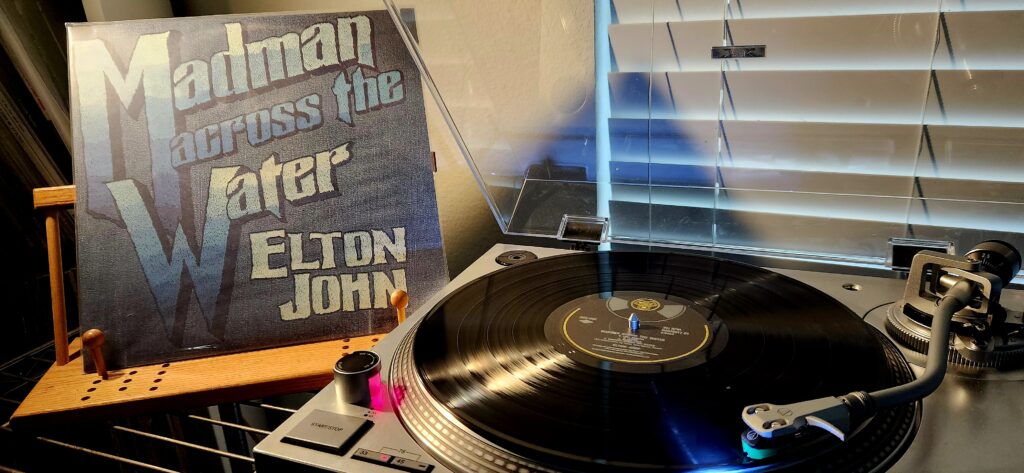
Vinyl Roots: Elton John – “Madman Across the Water” (1971)

Madman Across the Water

“Madman Across the Water,” Elton John’s fourth studio album, released in November 1971, stands as a defining moment in his early career and an emblematic piece of 1970s rock. The album marked a shift in John’s sound, exploring darker themes, lavish orchestrations, and emotionally resonant lyrics from longtime collaborator Bernie Taupin.

Recorded at Trident Studios in London, the album was produced by Gus Dudgeon, who also worked on John’s previous albums, helping to cultivate his classic sound. By 1971, Elton John was already gaining fame in the U.S., with his western-themed “Tumbleweed Connection” and 1970 debut resonating well with American audiences. But “Madman Across the Water” was something else. It brought an intensity and a grandiosity that felt almost cinematic, with sweeping arrangements that brought an edge to John’s folk-rock leanings.

The album features contributions from a host of musicians, most notably guitarist Davey Johnstone, who would become a staple in John’s band. Legendary session players like Caleb Quaye and Chris Spedding also contribute, alongside orchestration by Paul Buckmaster. who’s symphonic arrangements give the album a layered texture that underlines its moody, contemplative themes.

1. “Tiny Dancer”
Arguably the most well-known track on the album, “Tiny Dancer” is a powerful ode to the California lifestyle and the sense of freedom that Taupin observed during his time there. The song starts with a tender piano line that builds into a sweeping chorus, underscored by Buckmaster’s lush strings. Although it wasn’t an immediate hit, “Tiny Dancer” became iconic over the years, with its crescendoing arrangement and rich vocal harmonies showcasing John’s knack for balancing personal and anthemic elements.

2. “Levon”
With “Levon,” John and Taupin crafted a narrative about a man caught between family duty and individual desires. Its melancholic melody, driven by John’s poignant vocals and orchestration, hints at an allegorical tone, making “Levon” one of the more enigmatic tracks on the album. The song’s layered production, including an unforgettable piano riff and expressive strings, reinforces its introspective mood. Legend has it that Levon was named after the Band’s drummer Levon Helm, this legend is something Elton himself has denied. Over time, “Levon” has been celebrated as one of Elton’s finest works for its storytelling and musical depth.

3. “Madman Across the Water”
The title track is brooding, dark, and intense, embodying the album’s overarching themes of alienation and paranoia. The lyrics evoke a sense of political and social disillusionment, hinting at the tensions of the time (often interpreted as a critique of American politics). Musically, it’s one of the most dramatic songs on the album, with electric guitar interwoven with piano and orchestral backing. It stands out for its atmospheric, almost ominous tone, and John’s vocal performance is notably raw and impassioned.

4. “Indian Sunset”
In this track, Taupin draws on Native American themes, weaving a narrative about the struggles of indigenous people in the face of oppression. The song builds from a quiet, folk-like beginning into a powerful, symphonic climax, with John delivering one of his most emotionally charged performances. Although it’s rarely played live, “Indian Sunset” remains a standout on the album for its ambitious storytelling and evocative arrangement.

5. “Goodbye”
The album closes with “Goodbye,” a short but beautiful track that provides a sense of melancholic resolution. In contrast to the grandiosity of the preceding songs, this piece is understated and gentle, leaving listeners with a haunting sense of longing. Though brief, “Goodbye” captures the reflective spirit of the album as a whole.

Lyrically, “Madman Across the Water” explores complex themes of isolation, identity, and disillusionment. The album feels introspective and emotionally weighty, a departure from the pop-rock sensibility of John’s earlier works. Taupin’s lyrics are among his most mature and intricate, often avoiding direct interpretations and instead providing glimpses into characters’ inner lives and societal commentary.

Musically, the album represents an evolution in John’s sound. The orchestral arrangements by Paul Buckmaster create a lush, sometimes dark soundscape that gives the album a dramatic, almost theatrical quality. John’s vocals are also notably more expressive on this record, ranging from tender to anguished, complementing Taupin’s introspective lyrics.

Upon its release, “Madman Across the Water” received mixed reviews from critics, who were divided on its ambitious orchestration and dark tone. However, it has since gained a reputation as one of John’s finest albums, appreciated for its artistic depth and cohesive sound. Over time, the album has been re-evaluated as a landmark in John’s career, with songs like “Tiny Dancer” and “Levon” becoming mainstays of his catalog.

In recent years, “Madman Across the Water” has been hailed as a classic, a testament to John and Taupin’s ability to craft songs that are both deeply personal and universally resonant. The album showcases Elton John not only as a pop singer but as a serious musician capable of pushing artistic boundaries. It’s a record that rewards repeated listening, offering new insights with each play.

“Madman Across the Water” is a complex, richly textured album that marks a high point in Elton John’s early career. While it may not have the instant appeal of some of his later hits, it stands as a testament to his artistry and his willingness to explore challenging themes. The album’s mix of orchestral grandeur and personal introspection makes it a unique and lasting work, and it continues to resonate with fans more than 50 years after its release. For anyone interested in John’s evolution as an artist, “Madman Across the Water” is an essential listen.

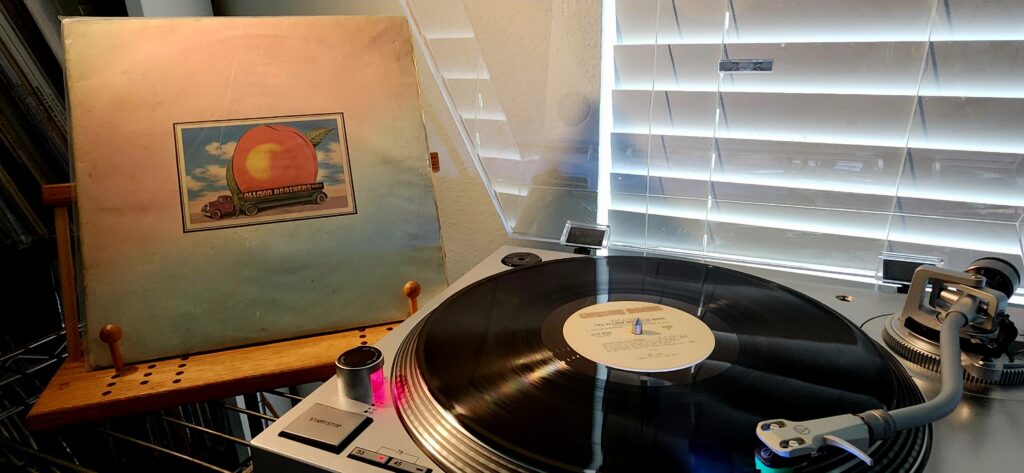
Vinyl Roots: The Allman Brothers Band – Eat A Peach (Capricorn Records)

Released in 1972, Eat A Peach stands as one of The Allman Brothers Band’s most cherished records. It captures a period of transformation and emotional depth that few albums in rock history have been able to encapsulate. It’s a poignant blend of blues, jazz, country, and rock, weaving an emotional tapestry through some of the band’s most memorable performances. The album was recorded amid a dark period of grief following the death of founding member and guitar prodigy Duane Allman, a loss that deeply impacted the band and its future performances and sound.

Following the success of At Fillmore East in 1971, which catapulted the band to stardom, the Allman Brothers returned to the studio to work on new material. However, their journey took a tragic turn when Duane Allman died in a motorcycle accident in October 1971. The band’s response was to honor his legacy by completing the album with a mix of new recordings and previously unreleased live performances featuring Allman. The title Eat A Peach reflects Duane’s statement in an interview about eating “a peach for peace,” embodying the free-spirited approach that the band held despite their tragedy.

Tracks:

1. “Ain’t Wastin’ Time No More”
The album opens with Gregg Allman’s introspective “Ain’t Wastin’ Time No More,” a song that addresses the inevitability of loss and the resolve to carry on. Gregg’s soulful, bluesy vocals and Dickey Betts’s slide guitar work create an anthem of resilience. It’s a powerful opener that establishes the band’s commitment to honor Duane’s memory by pushing forward, both musically and emotionally.

2. “Les Brers in A Minor”
This instrumental piece is a showcase of the band’s collective talents. Clocking in at nearly 9 minutes, it’s a dynamic journey through jazz-rock fusion, driven by bassist Berry Oakley and dual drummers Butch Trucks and Jaimoe. The track is experimental and free-form, encapsulating the jam-band ethos that The Allman Brothers helped pioneer.

3. “Melissa”
A tender ballad written by Gregg Allman, “Melissa” was one of Duane’s favorite songs. Its presence on the album gives it a sense of intimacy and nostalgia. Gregg’s vocals are hauntingly beautiful, accompanied by understated guitar work that creates a bittersweet reflection on love and memory. It has since become one of the band’s most enduring songs, cherished for its lyrical beauty and emotional resonance.

4.“Mountain Jam”
Spanning over 30 minutes, “Mountain Jam” is an epic instrumental recorded live at the Fillmore East and split between two album sides. The track, based on Donovan’s “There Is a Mountain,” is a masterclass in improvisational musicianship, with each member given space to shine. Duane’s soaring slide guitar and the fluid exchanges between the musicians illustrate the brotherly chemistry that defined the band’s sound. It’s a testament to Duane’s brilliance and showcases why he’s remembered as one of the greatest guitarists in rock history.

5. “One Way Out”
This live track, recorded at the Fillmore East, captures the raw energy of an Allman Brothers Band concert. Originally a Sonny Boy Williamson song, “One Way Out” is transformed into a blues-rock powerhouse, driven by the interplay between Duane and Dickey’s guitars and Gregg’s powerful vocals. The track has an infectious energy that makes it a staple in the band’s live performances.

6. “Trouble No More”
Another live recording, “Trouble No More” is the band’s rendition of a Muddy Waters classic. The blues-driven groove, led by Duane’s slide guitar, is an homage to the traditional blues that inspired much of the Allman Brothers’ music. It’s a track that highlights their blues roots while allowing each band member to contribute with passionate musicianship.

7. “Stand Back”
“Stand Back” blends blues and funk, with Gregg’s gritty vocals and organ work creating a soulful feel. The rhythm section is particularly tight, and Betts’s guitar work adds a touch of finesse. It’s a groove-laden track that showcases the band’s versatility and ability to incorporate diverse musical influences.

8. “Blue Sky”
One of Dickey Betts’s compositions, “Blue Sky” is a buoyant, country-inspired track that radiates warmth. Betts’s guitar solo, fluid and lyrical, is one of the album’s highlights. Written for his then-wife, the song feels like a hopeful tribute to love and optimism, capturing a brighter, more hopeful side of the band’s sound. It remains one of the Allman Brothers Band’s signature songs and is frequently played on classic rock radio.

‘Eat A Peach’ is a showcase of the Allman Brothers Band’s unique fusion of rock, blues, jazz, and country. The production, managed by Tom Dowd, allows each instrument to stand out while maintaining the integrity of the band’s collective sound. The guitar work, especially Duane’s, is central to the album, creating an emotionally charged atmosphere that reflects both the band’s technical skill and their emotional depth. The use of live recordings from the Fillmore East adds an authentic touch, capturing the spontaneous energy of their performances and preserving Duane’s contributions in an organic way.

Eat A Peach reached #4 on the Billboard charts and has since been certified platinum. Its influence on southern rock, jam bands, and blues-rock is undeniable, and it remains a cornerstone of The Allman Brothers Band’s discography. The album marked a turning point for the band, representing both the end of an era and the beginning of a new chapter. It’s a fitting tribute to Duane Allman, capturing the spirit of a musician who played with unparalleled passion and soul.

Eat A Peach is a tribute to resilience, memory, and the healing power of music. It reflects both the joy and sorrow that come with great loss, encapsulating a band determined to carry on while paying homage to one of rock’s greatest guitarists. For fans of the Allman Brothers and for newcomers alike, this album is a journey through profound grief, musical exploration, and, ultimately, celebration. It’s a timeless piece that continues to resonate, demonstrating the unique and enduring power of The Allman Brothers Band.

A must-have for any roots music fan.

Remembering Charlie Daniels – Americana Pioneer

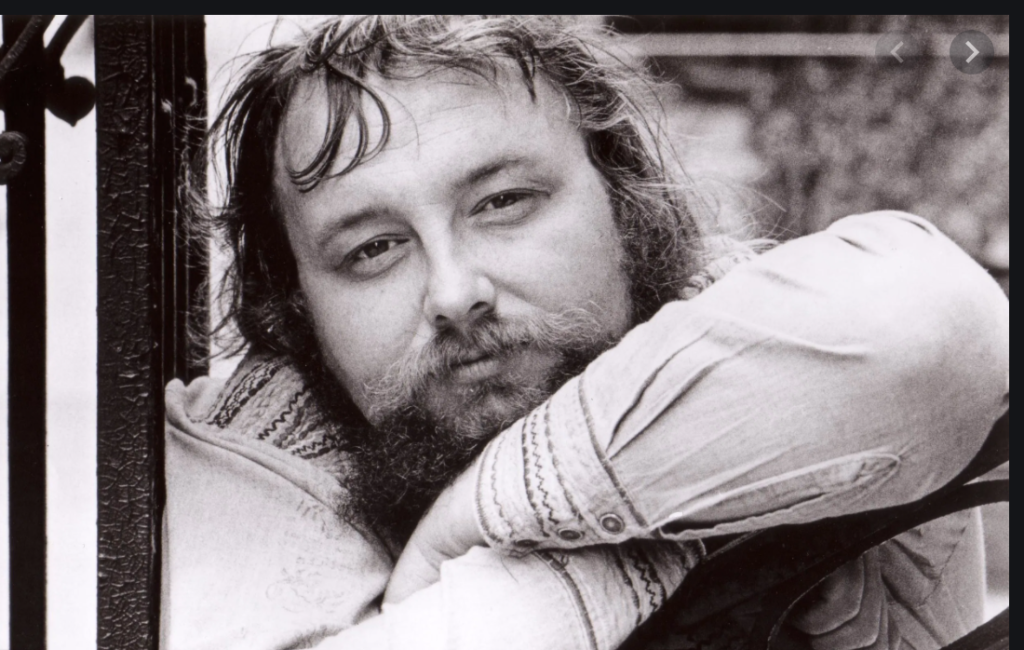
Charlie Daniels

Charlie Daniels singer, songwriter, bandleader, multi-instrumentalist, philanthropist and Country Music Hall of Fame member died Monday from hemorrhagic stroke in Nashville. He was 83 years old.

We all know about Daniels’ most famous for Grammy-winning cross-genre hit song “The Devil Went Down to Georgia,” from the 1979 Charlie Daniels Band album “Million Mile Reflections.” The song became even bigger with its inclusion on the soundtrack for the hit movie ‘Urban Cowboy,’ in which Daniels makes an onscreen appearance with his band playing along with the recorded song during the film’s dance contest scene.

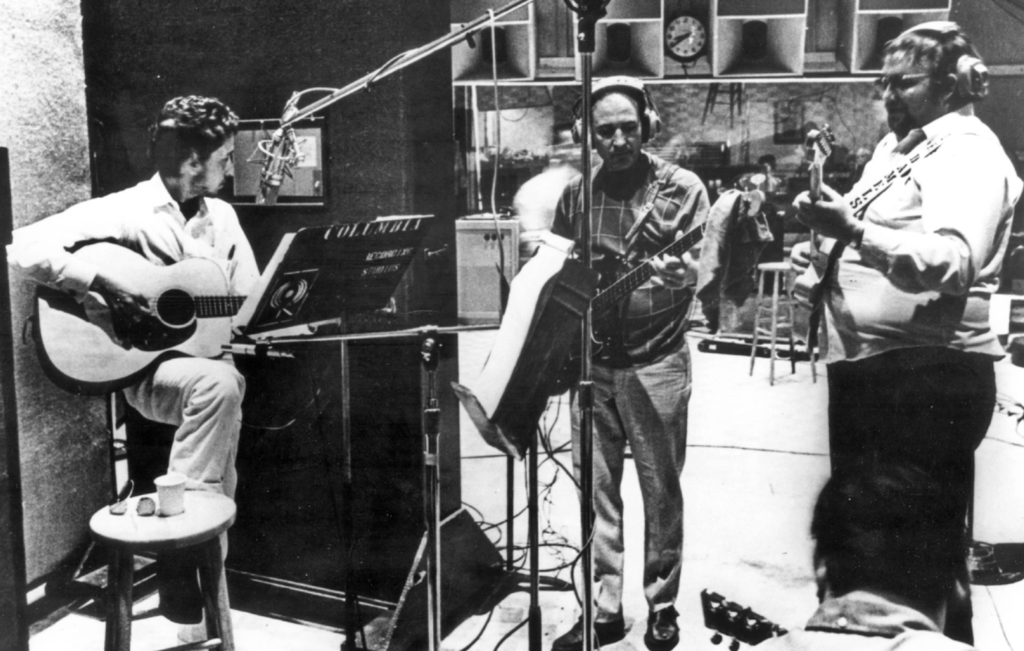
Before making the leap into stardom Daniels was a Music Row session musician playing guitar, bass, mandolin and fiddle as needed for the session. often working for his friend, producer Bob Johnston whom he had befriended after meeting on the Ft. Worth club scene . Several of these Johnston-led sessions were for Bob Dylan albums during 1969 and 1970, most notably playing guitar and bass guitar on on Bob Dylan’s 1969 LP ‘Nashville Skyline’ which Danials told Billboard he almost wan’t included.

“They had built the nucleus of that studio band around him with the other two albums he had done in town, ‘Blonde On Blonde’ and ‘John Wesley Harding.’ But the guitarist they wanted [Wayne Moss] could not make the first session because he was already booked elsewhere. So Bob Johnston called me and got me to fill in for him, and Dylan liked what I was doing. I was getting ready to leave but he didn’t want me to leave and asked me to stick around and I wound up doing two more records with him in ‘Self Portrait’ and ‘New Morning.’ But it was happenstance that I was on those initial sessions for Nashville Skyline.”

Michael Ochs Archives/Getty Images

Daniels inclusion in these sessions provided other opportunities outside of Country Music.

Producer Pete Drake convinced Ringo Starr to move his ‘Beaucoups of Blues’ sessions from the U.K. to Nashville by telling Starr that within a week Drake’s musician friends could produce more than an albums worth of material. Perhaps recalling those later Beatles recording sessions Ringo reportedly thought this was an ‘impossible’ feat and might have been swayed by witnessing the quickness of the sessions, which had been common for Nashville Country music sessions for years.

Daniels recalled the sessions as “pretty typical Nashville sessions. You know, three songs in three hours. It was go in, sit down and work. Here’s the songs, here’s the chords, let’s get it done. It was not a Beatles-type leisurely session. It was work.”

Starr, apparently convinced, said of the sessions, “We did the album in two nights. … I was only there three days recording. I’d learn five songs in the morning and I’d go and record five songs that night. It was really good.”

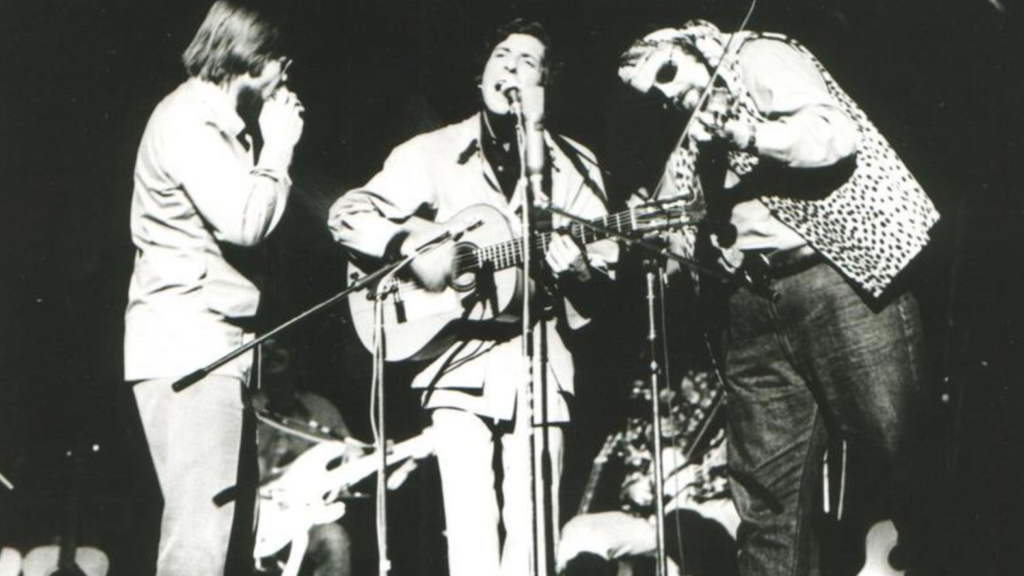
This led to the most unlikely gig in Daniels’ career, playing with Leonard Cohen.

Daniels recalled in his biography ‘Never Look At The Empty Seats.’ “When Bob Johnston brought Leonard Cohen to Nashville to record an album, I have to admit that I knew very little about him and was completely unfamiliar with his music.Leonard was a totally different kind of artist than any I had ever worked with. His music was sensitive and haunting, and the imagery of his lyrics was abstract and poetic, like a Georgia O’Keeffe painting. … When I first heard ‘Bird on the Wire,’ I didn’t know what to think. Here was a truly unique artist, and his songs were so delicate that one out-of-place guitar lick could bend it out of shape. When you worked with Leonard, you had to listen closely and get in sync with what he was trying to convey. You had to interpret it in the same musical frame he was operating in. Sometimes it only called for a well-placed note or two, sparse but meaningful. I know that sounds philosophical and stilted, but so was Leonard’s music. You needed to be in a certain frame of mind, and it was a challenging but satisfying experience.”

Daniels / Leonard

Following the release of the album, ‘Songs From A Room’ (1969), Cohen invited Daniels to join him on tour. “I was asked to be part of the backup band that would be called The Army. It was a different kind of band, mostly acoustical instruments with no drums. We needed to surround Leonard with delicate, genteel sounds. For a bang, slam, redline graduate of thirteen years of honky-tonk and rock and roll, it would be a learning experience.”

Daniels went on to help found the Southern Rock sound that then influenced bands like The Drive-By Truckers and Blackberry Smoke

Though the Americana and roots music community never really warmed up to Daniels, mainly due to his outspoken conservatism and the communities general liberal slant, in 2006 Charlie Daniels received the First Amendment Center / Americana Music Association “Spirit of Americana Free Speech Award” at the 5th Annual Americana Honors & Awards at the Ryman Auditorium ceremony.

Watch Out! Strand of Oaks featuring Jason Isbell, Amanda Shires – “Ruby”

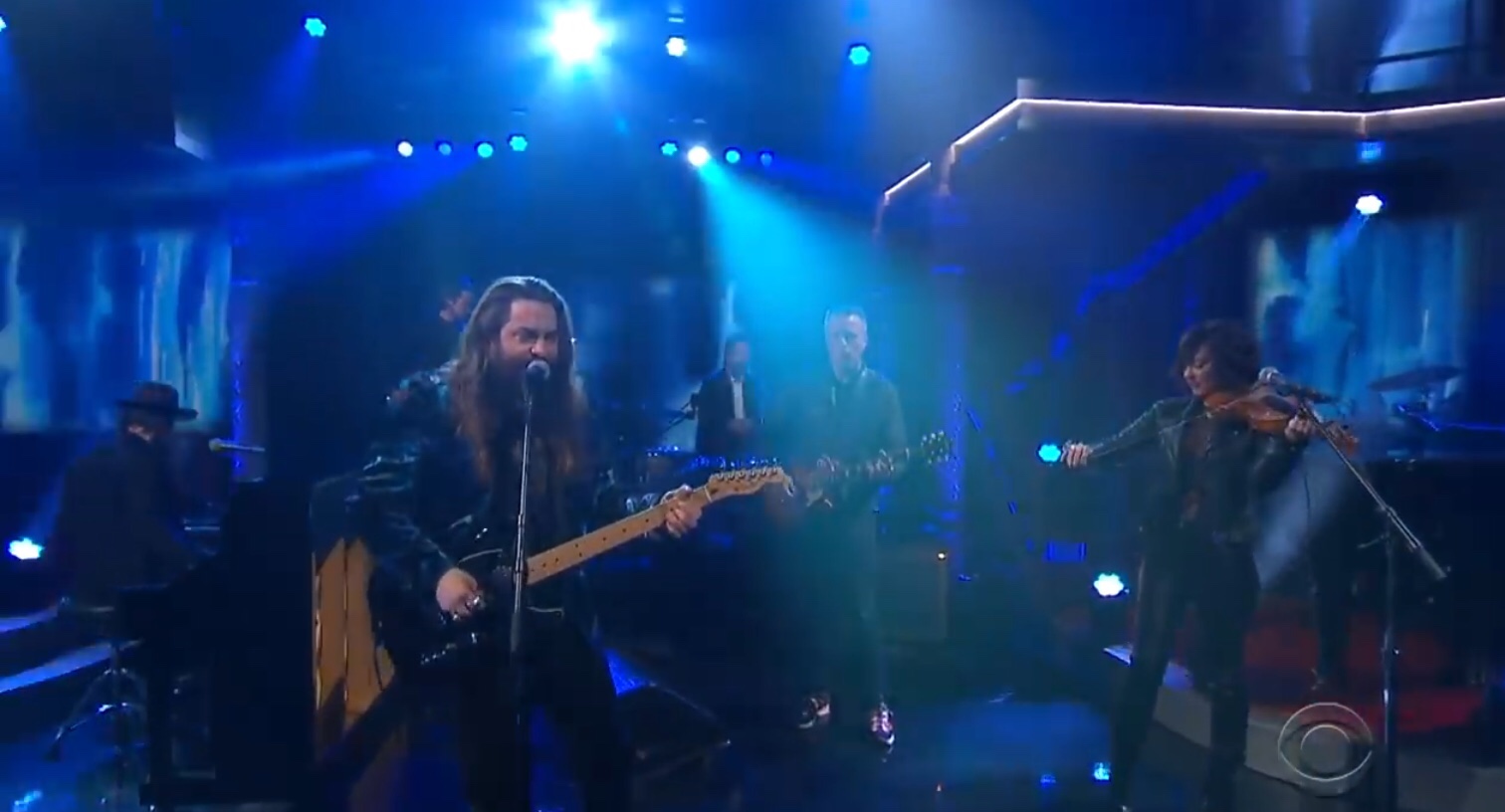
Strand of Oaks was joined by members of My Morning Jacket guitarist Carl Broemel, drummer Patrick Hallahan, bassist Tom Blankenship, and keyboardist Bo Koster, as well as Jason Isbell and Amanda Shire performed a pastorally soulful rendition of ‘Ruby’ on “Colbert” last night.

“Ruby” is a track on the upcoming Strand Of Oaks album ‘Eraserland,’ out March 22 on Dead Oceans.

Pre-order ‘Eraserland’ here.

Watch their rendition of “Ruby” below:

Tonight we sail on a radio song – Tom Petty Tributes

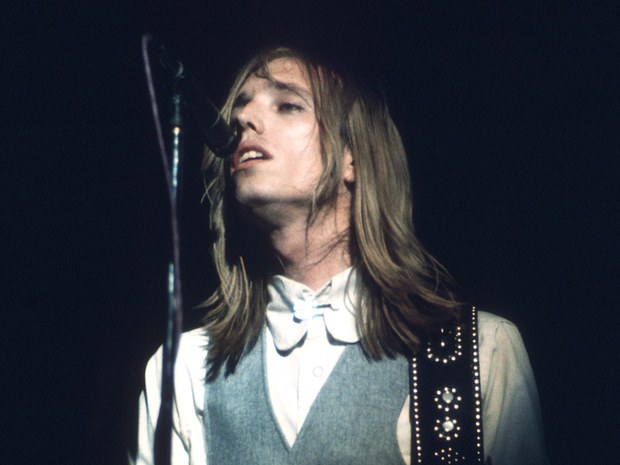
Tom Petty’s music appealed to anyone who loved thoughtful and superbly performed songs, but he held a special place in the hearts of Americana and roots artists. In the wake of his untimely death of cardiac arrest last Monday, there was an outpouring of tributes from his contemporaries and acolytes. Here are some I’ve collected and will add more as I come across them.

Know one? Let me know in the comments below.

Walk off the Earth – ‘You Don’t Know How It Feels’ – Just happened across this brilliant cover by Canada’s Walk off the Earth. Sit back and enjoy.

One person that best exemplifies a contemporary version of roots rock Petty helped establish is Jason Isbell. Here’s Isbell and the 400 Unit tearing through “Refugee” on the first night of their 6-night sold-out run at The Ryman Auditorium. Auditorium – October 9th, 2017
https://youtu.be/nei56RLiFRc

Heres Jason Isbell and the 400 Unit performing “You Wreck Me” on the second night of their The Ryman Auditorium run. October 10th, 2017
https://www.youtube.com/watch?v=Qi9CG504Twg

Here is Jason Isbell and the 400 unit ripping through “American Girl” at Mempho Fest 2017 – October 7th, 2017

Margo Price gives ‘Last Dance with Mary Jane’ a badass spin – 10/7/17

Lukas Nelson and Promise of the Real – ‘American Girl’ at The Fonda Theater – Hollywood, Ca. – Willie’s son does this rocker justice.

Gov’t Mule – ‘Breakdown’ – Houston, October 2nd, 2017 – Gov’t Mule brings on the moody groove featuring searing guitar work by Warren Haynes.

Old Crow Medicine Show – ‘American Girl’ Sydney, Australia, October 6th, 2017 – A badass breakdown by Old Crow Medicine Show.

The Mavericks – ‘You don’t know how it feels’ – Humphrey’s – SD, CA – October 5, 2017 – The Mavericks put their unique spin on this classic.

Miley Cyrus and Billy Ray Cyrus – “Wildflowers” – Whatever Miley Cyrus does musically she proves time and again that she has a country heart. Cyrus finishes out her Tonight Show residency with a lovely tribute to Petty with accompaniment from her father Billy Ray Cyrus.

Marty Stuart and his Fabulous Superlatives- ‘Runnin’ Down A Dream’, April – Marty Stuart has long proclaimed in concert that he’s a Petty fan. This tribute was captured a few months before Petty’s death.

The Avett Brothers – “You Don’t Know How It Feels” Council Bluffs, IA October 5th, 2017 – The Avett Brothers h=get a lot of help from the audience in this heartfelt tribute.

Chris Stapleton – “Learning to Fly” – October 5th, 2017, Moline, Illinois – Chris Stapleton offers some memories of playing a show with Petty before performing a soulful solo acoustic version of “Learning to Fly.”

John Fogerty – “I Won’t Back Down” – October 4th, 2017, Encore Theatre at Wynn hotel, Las Vegas. Fogerty honors Tom Petty at his show at The Encore Theatre at Wynn Las Vegas. This was also the first show after the tragic events at Mandalay Bay

Wilco – ‘The Waiting,’ Toyota Pavilion, Irving, Texas, October 3, 2017 – I dare you not to get chills from this tribute.

Hanson – “Wildflowers” (rehearsal) – October 3rd, 2017 at the Corona Theatre in Montreal, Canada. – Say want you want about Hanson, this is a beautiful harmonic tribute.

Emmylou Harris, Steve Earle, Dave Matthews, Patty Griffin – “Refugee” by Tom Petty – Moore Theatre, Seattle October, 3rd 2017 – This performance was the opening song on the opening night of the 2017 edition of Lampedusa: Concerts for Refugees benefiting Jesuit Refugee Services USA.

Foo Fighters “Breakdown”- Played at a secret 2013 show in Moorpark, CA – Redballs Rock N Roll Pizza. Just badass.

Super Bowl XLII Halftime Show – Tom Petty & The Heartbreakers – An all American moment with the master himself.

Watch Out! Jason Isbell on The Late Show With Stephen Colbert

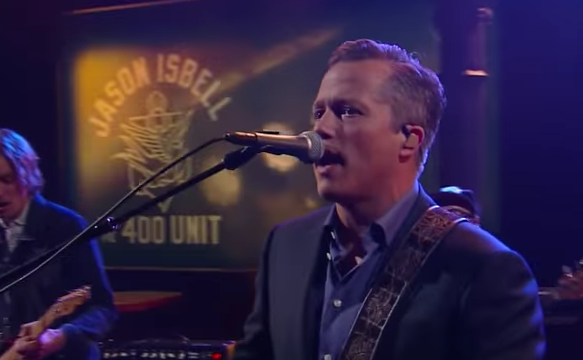
Jason Isbell showed The Late Show With Stephen Colbert audience that he had brought the rock back out for a spin. Fresh off the release of his more electric new album, ‘The Nashville Sound,’ the Alabama native and his band the 400 Unit unleashed a tight and spirited rendition of their lead single, “Hope the High Road” at Ed Sullivan Theater last Tuesday night.

Look for this level of greatness as Isbell and the 400 Unit will be on the road for theater, amphitheater, and festival dates until their sold-out residency at Nashville’s Ryman Auditorium in October.

https://www.youtube.com/watch?v=0GC3MpIxl8g

Jason Isbell Announces new album, ‘The Nashville Sound’ – Out June 16th

Grammy Award-winning singer, songwriter, guitarist Jason Isbell and his mighty band, the 400 Unit, have announced the June 16th release of their highly anticipated new album, The Nashville Sound (Southeastern Records/Thirty Tigers). The Nashville Sound is the follow up to 2015’s critically acclaimed Something More Than Free, which won two Grammy Awards (Best Americana Album & Best American Roots Song, “24 Frames”) and two Americana Music Association Awards (Album of the Year & Song of The Year, “24 Frames”). See Highlights.

Over his career, Jason Isbell has become one the most respected and celebrated songwriters of his generation. He possesses an incredible penchant for identifying and articulating some of the deepest, yet simplest, human emotions, and turning them into beautiful poetry through song.

‘The Nashville Sound’ features 10 new songs that address a range of real life subject matters that include politics and cultural privilege (“White Man’s World”), longing nostalgia (“The Last Of My Kind”), love and mortality (“If We Were Vampires”), the toxic effect of today’s pressures (“Anxiety”), the remnants of a break up (“Chaos and Clothes”) and finding hope (“Something To Love”). Songs such as “Cumberland Gap” and “Hope The Highroad” find Isbell and his bandmates going back to their rock roots full force.

The Nashville Sound was recorded at Nashville’s legendary RCA Studio A and produced by Grammy Award-winner Dave Cobb, who produced Something More Than Free and Isbell’s celebrated 2013 breakthrough album Southeastern. The Nashville Sound is the first official Jason Isbell and the 400 Unit album since 2011’s Here We Rest. The 400 Unit features Derry deBorja (keyboards), Chad Gamble (drums), Jimbo Hart (bass), Amanda Shires (fiddle) and Sadler Vaden (guitar). The group just announced a five-night stand at Nashville’s Ryman Auditorium October 10,11,13-15 to add to their extensive tour. See the list of tour dates below.

Jason Isbell - 'The Nashville Sound'

June 17 – Asheville, NC – Thomas Wolfe Auditorium #

June 18 – Raleigh, NC – North Carolina Museum of Art #
June 19 – Philadelphia, PA – The Fillmore Philadelphia #
June 22 – New York, NY – Beacon Theatre #

June 23 – New York, NY – Beacon Theatre +

June 24 – New York, NY – Beacon Theatre +

June 26 – New Haven, CT – College Street Music Hall +
June 27 – Boston, MA – Blue Hills Bank Pavilion +

June 29 – Canandaigua, NY – Marvin Sands Performing Arts Center >
June 30 – Columbia, MD – Merriweather Post Pavilion +

July 1 – Cincinnati, OH – PNC Pavilion at Riverbend Music +
July 2 – Huber Heights, OH – Rose Music Center at the Heights +
July 5 – Papillion, NE – Sumtur Amphitheatre +
July 7 – St. Paul, MN – The Palace Theatre +
(Sold Out)
July 11 – Sioux Falls, SD – The Washington Pavilion +

July 12 – St. Louis, MO – Peabody Opera House +

July 14 – Austin, TX – ACL Live at the Moody Theater +

July 15 – Austin, TX – ACL Live at the Moody Theater #

July 16 – Austin, TX – ACL Live at the Moody Theater #

July 18 – Houston, TX – Revention Music Center #

July 19 – Jackson, MS – Thalia Mara Hall #

July 21 – Miami Beach, FL – The Fillmore *

July 22 – St. Augustine, FL – St. Augustine Amphitheatre *
July 23 – North Charleston, SC – North Charleston Performing Arts Center*
September 7 – Morrison, CO – Red Rocks Amphitheatre
October 10 – Nashville, TN – Ryman Auditorium
October 11 – Nashville, TN – Ryman Auditorium
October 13 – Nashville, TN – Ryman Auditorium
October 14 – Nashville, TN – Ryman Auditorium
October 15 – Nashville, TN – Ryman Auditorium

Support: # Amanda Shires / + Mountain Goats / > Iron & Wine / * Strand of Oaks

2017 European Dates

October 25 – Manchester, UK – Albert Hall
October 26 – Glasgow, UK – O2 ABC
October 27 – Dublin, Ireland – Olympia Theatre
October 29 – Brighton, UK – Brighton Dome
October 30 – London, UK – Roundhouse
October 31 – Birmingham, UK – Symphony Hall
November 2 – Paris, France – Le Café de la Danse
November 3 – Brussels, Belgium – Ancienne Belgique
November 6 – Amsterdam, Netherlands – Paradiso
November 7 – Hamburg, Germany – Uebel & Gefährlich
November 8 – Berlin, Germany – Columbia Theater
November 10 – Oslo, Norway – Sentrum Scene
November 11 – Oslo, Norway – Sentrum Scene
November 12 – Stockholm, Sweden – Münchenbryggeriet
November 14 – Copenhagen, Denmark – DR Concert Hall

Tift Merritt supports all European dates