Willie, Waylon, and the Real Reason The “Outlaws” Walked Away

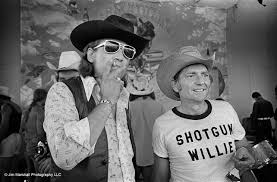
Photography©? @jimmarshallphoto

The common mythology of “outlaw country” paints Willie Nelson, Waylon Jennings, and their peers as hard-living renegades who defied Nashville through wild behavior, heavy drinking, and a refusal to play by polite society’s rules. While these personal traits were real and contributed to the legend, they obscure the deeper motivations and industry dynamics that gave rise to the outlaw movement. At its core, the outlaw revolt was less about bourbon-soaked rebellion and more about artists’ struggle for creative control, financial autonomy, and liberation from an exploitative recording system. Willie and Waylon were not rebelling against morality; they were rebelling against a business model.

Background: Nashville’s Tight Grip

By the late 1960s, Nashville’s music industry was a well-oiled machine. The “Nashville Sound” relied on producer-driven recordings, studio musicians, and a formula intended to reach a pop-leaning audience. Artists signed restrictive contracts that dictated:

What songs they recorded
Which producers they worked with
Which musicians played on their albums
How frequently albums were released
How royalties were allocated

Songwriting royalties often stayed with publishing companies. Production decisions were top-down. The artist’s identity became secondary to the system’s commercial efficiency. Willie Nelson, Waylon Jennings, and others bridled under this arrangement. Their “outlaw” stance grew from a desire to escape this machinery.

The Economic Roots of Rebellion

1. Control of Production

Willie and Waylon wanted the same autonomy that rock musicians were beginning to claim. In Austin, Willie discovered he could record with the band he wanted, in the style he wanted, without an executive dictating the sound. Waylon insisted on choosing his own musicians. RCA resisted, because it challenged the tightly controlled Nashville studio model. Their rebellion was fundamentally a labor negotiation: **the right to make their own music on their own terms.**

2. Ownership and Royalties

Under older contracts, artists earned little from their recordings. Producers and publishers captured most of the revenue. Willie and Waylon pushed for fairer royalty structures, ownership of masters, and the ability to keep more of what they created. This was not a drunken protest; it was a calculated effort to rewrite the business relationship between artist and label.

3. The Marketing of “Outlaw”

The irony is that the outlaw image itself became a financial engine. When RCA compiled *Wanted! The Outlaws* in 1976—the first country album to go platinum—they did so to capitalize on this identity. The album’s success proved that the outlaw stance had **market value**, and the labels embraced what they once resisted. The movement’s legend grew even as the industry profited from it.

There is no denying that Willie and Waylon lived rough at times. But their personal habits are not what made them outlaws. Plenty of Nashville artists drank hard and misbehaved. What separated Willie and Waylon was not behavior; it was **non-compliance with a business structure that demanded obedience.**

* If Waylon had been drinking but fully compliant, he would not have been an “outlaw.”
* If Willie had partied yet accepted creative confinement, he would have been simply another Nashville act.

Their outlaw identity emerged because they refused to be interchangeable parts in the Nashville machine. Behavior was the smoke. Control and money were the fire.

The outlaw movement reshaped the entire relationship between artists and the country music industry:

* Artists gained greater leverage in contracts.
* Self-production became more common.
* Labels increasingly marketed authenticity rather than formula.
* The boundaries between country, rock, and folk loosened.

In this sense, the outlaw revolt was a precursor to modern conversations about artistic rights, from ownership of masters to independence from labels.

The legend of Willie Nelson and Waylon Jennings as hard-drinking outlaws makes great storytelling, but it obscures the truth. Their rebellion was fundamentally economic and creative, not behavioral. It was a fight for autonomy, for the freedom to define their own artistic identities, and for fair compensation in a system that historically denied both.

Outlaw country was not a revolt of whiskey bottles—it was a revolt of contracts.

The Glittering Light That Never Went Out: The Legacy and Influence of Marc Bolan

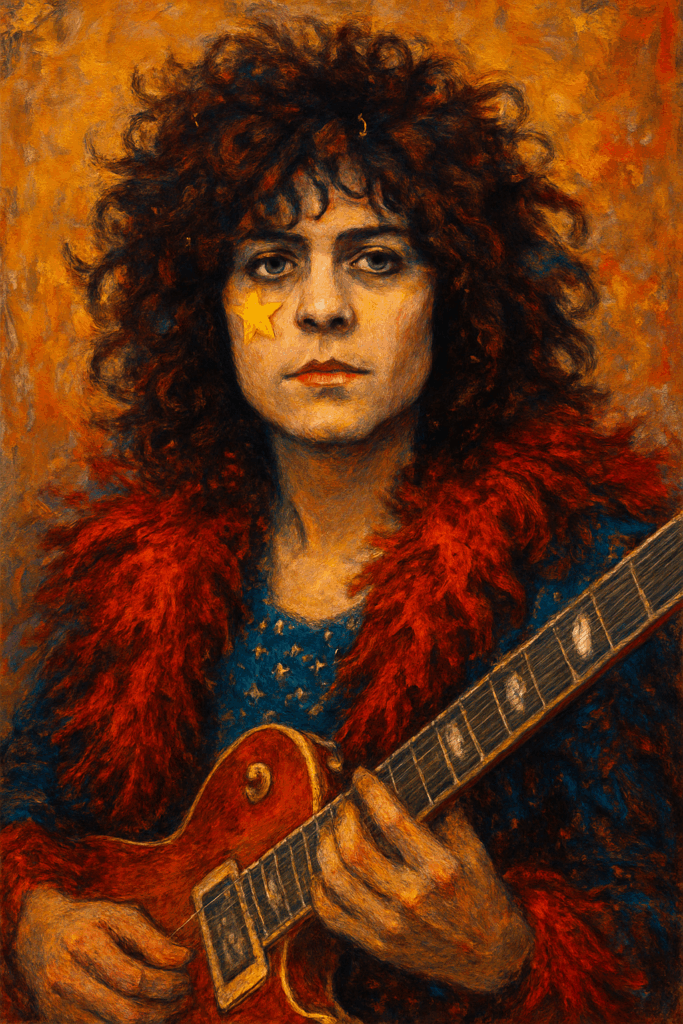
Marc Bolan didn’t just write songs — he cast spells. With a feather boa, a star-streaked face, and a guitar riff that could split the world open, he led T. Rex into a sound that became both a revolution and a refuge. Even now, decades after his time on Earth ended, his influence hums through modern music like an electric current.

The Spark That Started Glam Rock

Before David Bowie became Ziggy, before a single glitter-flecked platform boot stomped across the airwaves, Marc Bolan struck the match that would become glam rock. When Electric Warrior (1971) landed, it didn’t just redefine rock — it reshaped what rock stars could look and sound like. Bolan’s fusion of boogie riffs, mystical imagery, and sexual flamboyance gave permission to a generation of artists to be loud, luminous, and unapologetically strange.

His performance on Top of the Pops in 1971 — curls wild, glitter glowing — wasn’t just a moment. It was ignition.

The Sound That Echoes Across Generations

Marc Bolan’s songwriting remains deceptively simple: three chords, a groove, and a sense of swagger sharp enough to cut yourself on. Yet beneath that surface was something timeless — a pulse that still animates rock, punk, indie, glam-metal, and even modern pop.

You can hear Bolan’s fingerprints in, David Bowie, who absorbed Bolan’s early glam sensibility and launched it into the cosmos. The Smiths, whose jangly melancholy often hid Bolan-esque flourishes.Johnny Marr, The Smiths’ guitarist, has frequently cited Marc Bolan as a major musical idol and a primary inspiration for his own work. Prince, who embodied that same fusion of sex, glitter, and guitar heroics. The New York Dolls, inheritors of his lipstick-and-leather bravado. Modern acts like Suede, MGMT, and The White Stripes, all of whom channel his stripped-down magic.

Bolan’s riffs were gateways: accessible for young musicians, irresistible for anyone with a pulse.

A Poet in Platform Shoes

Marc Bolan carried mysticism the way others carry keys — casually, constantly, and with a sense of private knowledge. His lyrics mixed Tolkien, street slang, cosmic metaphors, and nonsense syllables until they made their own kind of sense. “Jeepster,” “Metal Guru,” and “Get It On” weren’t just songs — they were spells, coded messages from a world half-real and half-imagined.

He turned throwaway lines into anthems, and vague images into myth.

A Life Cut Short, An Influence That Isn’t

Bolan died in 1977 at only 29, leaving behind a body of work that feels far larger than the years he had to make it. His early departure froze him in time — forever young, forever shimmering, forever on the verge of the next great sound.

In the years since, his legend has only grown. Each generation discovers him anew: some through Electric Warrior, some through The Slider, some through the countless artists who still carry his style in their bones.

Even today, his music shows up in film scores, fashion campaigns, indie playlists, and vinyl collections like a secret handshake — a sign that the listener understands something about beauty, about swagger, about freedom.

The Eternal Warrior

Marc Bolan’s legacy is not just about glam rock, or riffs, or glitter — it’s about possibility. He showed the world that a rock star could be a poet, a trickster, a shapeshifter. He made weirdness sacred. He made simplicity sublime. And he made the stage a place where anyone could shine like a star.

The glitter he scattered never faded. It just settled into the culture, where it still catches the light.

Listen up! Brandy Zdan – SO WHAT!

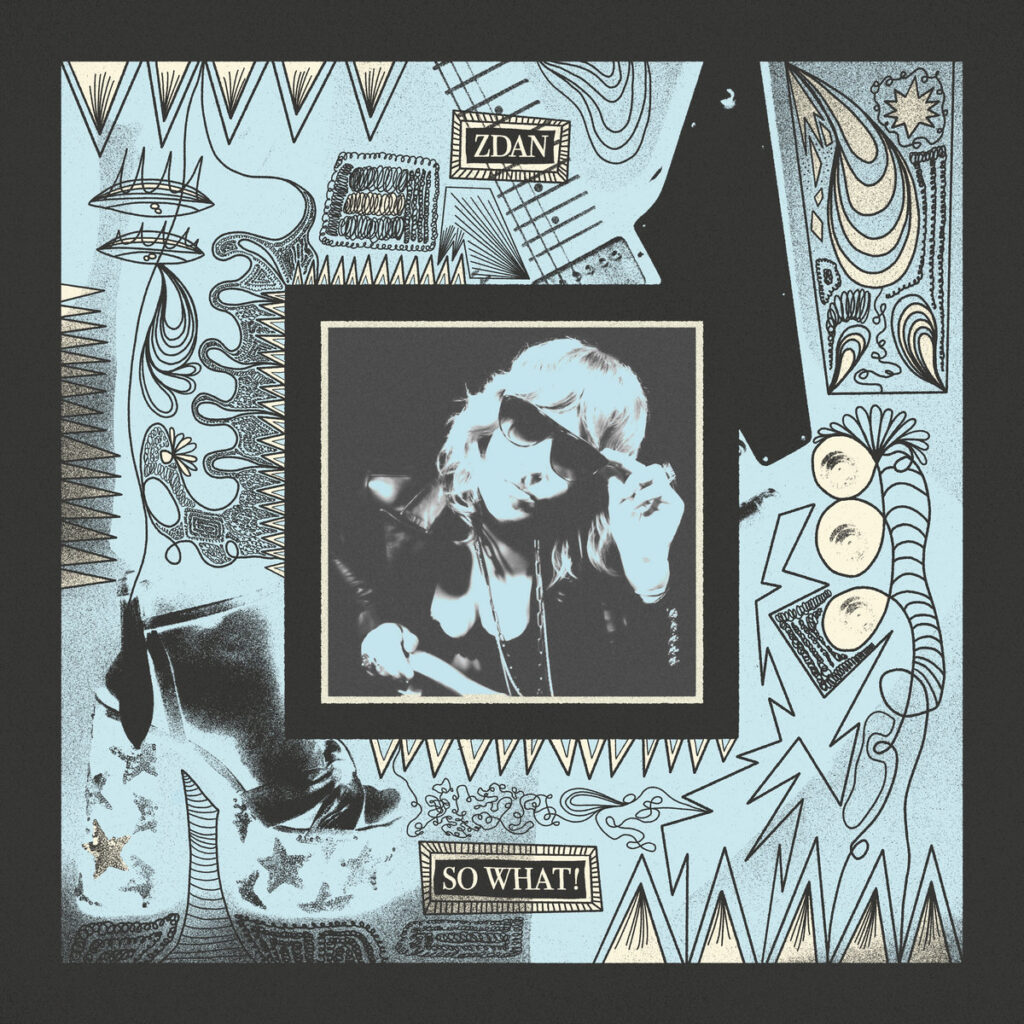
Brandy Zdan’s new album SO WHAT! is a fiery, full-throttle declaration of self-reliance and renewal. Known for blending Americana grit with alt-rock edge, Zdan leans hard into guitar-driven power on this record, delivering songs that sound both lived-in and defiant. From the opener “save me (rock ’n’ roll)” onward, she plays like someone who’s wrestled her way back to joy — unfiltered, electric, and alive.

There’s a sense of liberation pulsing through SO WHAT!, not just in the sound but in its making. Zdan crowdfunded the project to ensure a female producer’s voice at the helm — a rarity in rock circles — and that energy of taking control radiates through every riff and lyric. It’s an album that shrugs off hesitation and expectation in equal measure, proving that raw emotion and polished craft can coexist beautifully.

For fans of roots rock and Americana’s modern edges, SO WHAT! is both a homecoming and a leap forward. It’s not nostalgic — it’s defiant, hopeful, and entirely present. Roll the windows down, turn it up, and let Zdan remind you why rock ’n’ roll still saves souls.

4 1/2 / 5

website | buy

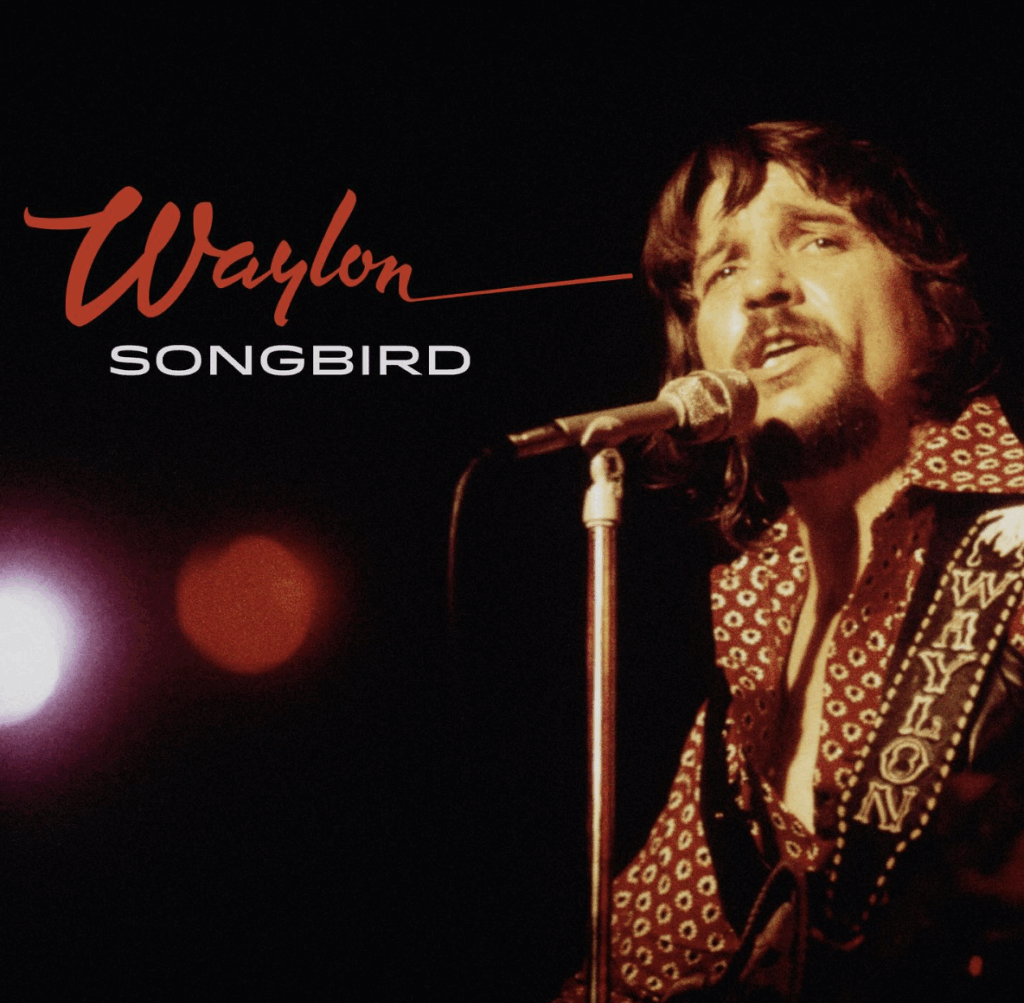
Listen Up! Waylon Jennings – Songbird (2025)

Even though Waylon Jennings’ latest posthumous release ‘Songbird’ spans 1973 to 1984, his voice is vivid and raw throughout. Shooter Jennings resists temptation to “smooth over” imperfections, allowing his grit and phrasing to shine. Shooter Jennings and engineer Nate Haessly leaned analog, mixing on vintage gear to preserve an organic feel. The occasional overdubs come from surviving members of The Waylors and guest vocalists, but it’s generally restrained and respectful to the original tapes.

Compiled and mixed by Shooter Jennings at Hollywood, CA’s hallowed Sunset Sound Studio 3, Songbird collects recordings produced in various studios by Waylon Jennings and his longtime drummer and co-producer Richie Albright, featuring members of his indelible backing band, The Waylors, including Albright and renowned pedal steel guitarist Ralph Mooney, along with such special guests as Tony Joe White, Jessi Colter, and more. Jennings’ reinterpretation of Fleetwood Mac’s “Songbird” is a standout. It imbues the gentle original with honky-tonk steel, strong back-beat, and an emotional delivery. The addition of Elizabeth Cook and Ashley Monroe on backing vocals gives it a delicate lift without crowding out Jennings’ growl.

— 4 of 5 stars —

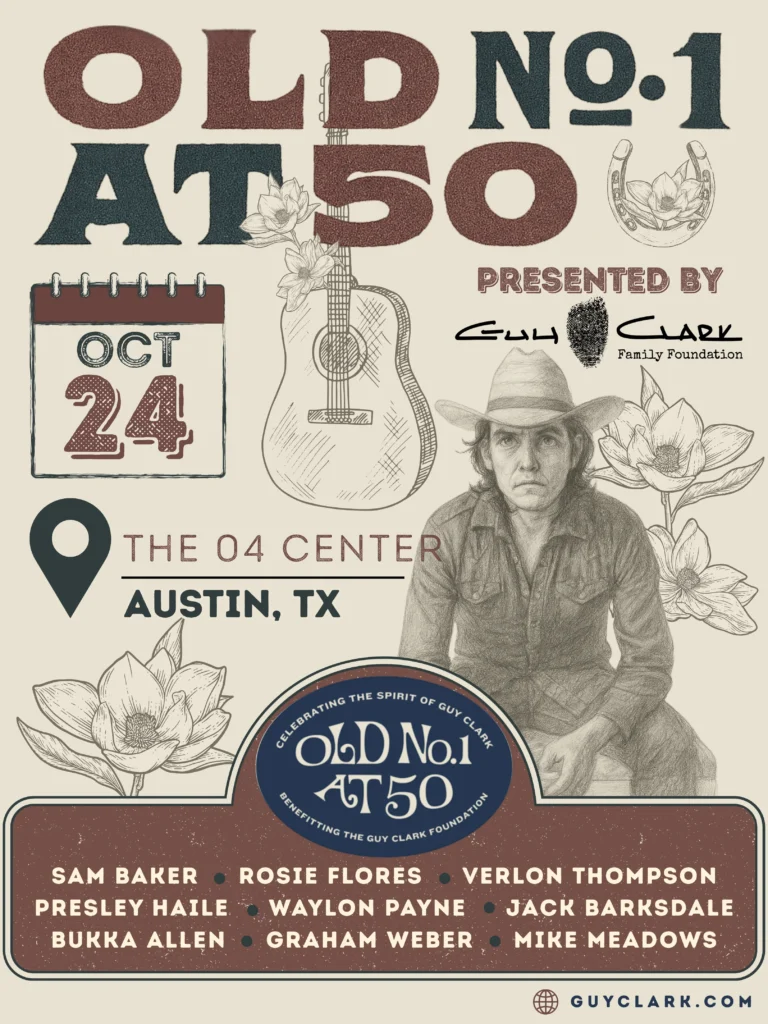
Celebrating 50 Years of Old No. 1: A Benefit Concert Honoring Guy Clark

Friday, October 24, 7-10:30p
The 04 Center
2701 S Lamar Blvd., Austin, TX 78704

Tickets

On Friday, October 24, some of Austin’s finest singers and songwriters will gather at The 04 Center for a special evening paying tribute to legendary songwriter Guy Clark. This benefit concert marks the 50th anniversary of Clark’s debut album, Old No. 1—a record that quietly reshaped the landscape of American songwriting.

The night will feature performances by Sam Baker, Rosie Flores, Verlon Thompson, Presley Haile, Waylon Payne, Jack Barksdale, Bukka Allen, Graham Weber, and Mike Meadows, who will bring Old No. 1 to life by performing the album in its entirety. Following this tribute set, each artist will share an original song of their own, carrying forward Clark’s legacy of truth, grit, and poetry in music.

A Record That Changed Everything

Released on November 7, 1975, just one day after Guy Clark’s 34th birthday, Old No. 1 wasn’t a commercial hit. Yet critics recognized its brilliance immediately. Songs like “L.A. Freeway,” “Desperados Waiting for a Train,” “Rita Ballou,” “Texas 1947,” “Let Him Roll,” and “That Old Time Feeling” became instant classics.

What no one could have predicted at the time was how profoundly the record would influence generations of songwriters, troubadours, and fans of Americana music. Half a century later, Old No. 1 remains a touchstone for anyone who believes in the power of storytelling through song.

Supporting the Next Generation of Songwriters

This event benefits The Guy Clark Family Foundation, a nonprofit organization dedicated to supporting and uplifting songwriters who continue to create in the spirit of Clark’s work. The anniversary concert is part of a series of events designed to raise awareness and funding for the foundation’s mission.

About Tamara Saviano

The concert is produced by Tamara Saviano—a Grammy-winning producer, writer, and filmmaker who worked closely with Clark for years. Saviano has authored both a book and documentary on Clark’s life and continues to advocate for songwriters through her role on the foundation’s board.

Her recently released memoir, Poets & Dreamers: My Life in Americana Music, chronicles her decades in the music industry and her unique role in shaping what we now know as the “Americana” movement.

Join us October 24 at The 04 Center in Austin for this unforgettable evening of music, storytelling, and community—all in celebration of Guy Clark’s enduring legacy.

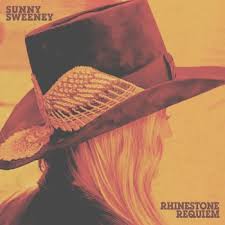
Listen Up – Sunny Sweeney – ‘Rhinestone Requiem’

Sunny Sweeney’s Rhinestone Requiem is a finely wrought, emotionally grounded return to honky-tonk and classic country roots. Drawing on co-production with longtime collaborator Harley Husbands, the album’s ten tracks balance grit and grace: bold storytelling (“Diamonds and Divorce Decrees”), wistful reflection (“Houston Belongs To Me”), spirited anthems (“As Long as There’s a Honky Tonk”) and a closing waltz (“Half Lit in ¾ Time”).

Sweeney’s voice is unvarnished and honest, and her songwriting leans into lived highs and lows without resorting to clichés. Though the production occasionally borders on polished, it never overshadows the core: real stories, real heart, real country.

4 of 5 stars

Record Store Day Announces 2025 RSD Releases

Record Store Day has recently announced its list of exclusive titles for RSD Black Friday 2024, which happens on Aprl 12th. See here for the complete list.

Some of the notable country and roots-rock releases include:

The Blasters – An American Music Story: The Complete Studio Recordings 1979-1985 – The Blasters are one of the bedrock acts that formed the template for the “Americana” music movement in the 1980s. Since their inception in 1979, the core members of the band have been Phil Alvin and his younger brother, principal songwriter and guitarist Dave Alvin, drummer Bill Bateman and bassist John Bazz. The box set consists of the band’s four studio albums — American Music, The Blasters, Non Fiction and Hard Line– along with a bonus disc of rarities. The 5 LP set is packaged inside a hard cover slip case box with a 24-page book featuring extensive liner notes by music journalist Chris Morris and interviews with the band members. Includes rare photos from the band’s personal collection with memorabilia and collector’s item images, along with a rare promotional poster for the Non Fiction album. The hand-numbered set will be limited to 1,000 copies and available only in the US. A must have for fans of the legendary American music band.

Jeff Bridges– Slow Magic, 1977-1978 – 3 “Music is the weed that keeps popping out of the concrete in my life. It just seems to want to come out.” –Jeff Bridges
Culled from a single decaying cassette tape labeled “July 1978,” these recordings are a window into the secret musical life of the Dude. Even after becoming one of Hollywood’s biggest stars, Bridges spent all his free time jamming and recording with a trusted circle of musicians composed of childhood friends, artists, and assorted L.A. oddballs. Imagine The Band playing at CBGB with The Exploding Plastic Inevitable. Or Arthur Russell and the Talking Heads collaborating on a suite of mutant disco. Though Bridges and his friends were brought up around the movie industry, they decided to create their own private musical universe, where they could be as weird as they wanted.
•All tracks previously unreleased
•20-pg booklet including liner notes by Sam Sweet, new interview with Jeff Bridges, and never-before-seen archival photos
•Featuring Burgess Meredith (Rocky)
•Vinyl pressed on transparent blue wax at RTI

Patsy Cline – Imagine That: The Lost Recordings (1954-1963) – Imagine That: The Lost Recordings (1954-1963) gathers unreleased performances of legendary country singer Patsy Cline. Though some have traded as bootlegs, all tracks are officially available in this collection and presented for the first time on vinyl. Expertly curated by discographer George Hewitt, this release provides a comprehensive selection of both rare cuts and live versions of chart hits. Introducing 15 new songs, such as “The Wrong Side of Town” and “Old Lonesome Time,” this marks the first new release of a Patsy Cline album in 13 years and is fully endorsed by the Patsy Cline Estate. Presented in loose chronology, this set traces the evolution of Patsy’s artistry from regional beginnings as a featured vocalist with Bill Peer’s Melody Boys in 1954 to hosting radio shows as a national headliner by 1963. Every period of Patsy’s storied career is represented in the tracklist and the book features insights and commentary on the music, the production, the era, and Patsy. Of special note, this collection offers the long sought “missing middle” by including many recordings from the pivotal year of 1959. Then a proud young mother, Patsy relocated to Nashville and soon after joined the cast of the Grand Ole Opry. A string of timeless hit records followed for posterity. This limited and numbered 2 LP set is pressed on 180g vinyl and released for Record Store Day 2025.

Ry Cooder – The Main Point – Live 1972 – The first-ever archival release from Warner’s vaults featuring the legendary songwriter, composer, and producer Ry Cooder. This collection includes a rare solo performance recorded at The Main Point in Bryn Mawr, PA, on November 19, 1972. While one track from this performance appeared on a Warner promotional release in 1972, this marks the first time the entire set will be available on black vinyl.

Cowboy Junkies– More Acoustic Junk – a new collection celebrating the iconic sound of Cowboy Junkies in stripped-down form.This Record Store Day exclusive release features five brand-new acoustic recordings alongside five tracks from the original Acoustic Junk album—three of which have been remixed for this compilation. Known for their haunting melodies and introspective songwriting, the band’s acoustic arrangements showcase the raw beauty and emotional depth that have captivated fans for decades. 180g Yellow Vinyl, Polylined inner sleeve, 3mm Spined LP Sleeve.

Hank III– Rebel Within – Unlike most post-millennium country “outlaws,” Hank Williams III has actually been fighting against something concrete instead of just nursing a bad attitude. Hank III likes his music as strong as his drink, and includes both his hard-edged trad-styled country and his “hellbilly” thrash metal project Assjack. There’s an undercurrent of metal/punk creeping through a few tracks on Rebel Within (the bursts of Cookie Monster vocals on the title cut and the breakneck finale of “Drinkin’ Over Momma”), but for the most part, this is the most straight forward country music Hank III has released since 2002’s Lovesick, Broke and Drifitin’; Billly Contreras fiddle, Andy Gibson’s steel guitar, and Johnny Hiland’s guitar give these songs a classic acoustic honky tonk feel while adding just enough electric elements to keep this from sounding like an exercise in retro-nostalgia. More than one writer has noted that Hank III sounds a lot more like his grandfather Hank Williams than his dad Hank Willimas Jr. ever did, and he writes the kind of melodies that suit his weathered, soulful twang just right. Rebel Within captures a tone of bad luck and trouble with a grace and gravity that’s manna from heaven for fans of 100-proof roadhouse music. Rebel Within is strong, heartfelt work that proves Hank III hasn’t turned his back on pure country music. Pressed on acid-washed colored vinyl!

The Jayhawks– Blue Earth -The Jayhawks’ second album, released on Twin-Tone Records, has not been on LP since it was originally issued in 1989. This Record Store Day 2025 release includes a 7” EP with four bonus tracks never on vinyl.

Ralph Stanley– Man of Constant Sorrow – Ralph Stanley cut his first recordings with the Stanley Brothers in 1947, and nearly 70 years later, is still one of the leading stars of bluegrass music, as well as one of the towering figures of American roots music. Long a hero in bluegrass circles, Stanley broke through to mainstream popularity in 2000 with his striking performance of “O Death” in the movie O Brother, Where Art Thou?, and since then he’s continued to record and perform, teaching new fans about the beauty and history of mountain music.On Man of Constant Sorrow, Stanley and his latest edition of the Clinch Mountain Boys are joined by a diverse cast of vocalists who help perform a collection of bluegrass classics; guests include Robert Plant, Dierks Bentley, Ricky Skaggs, Jim Lauderdale, Gillian Welch, Buddy Miller, David Rawlings, Old Crow Medicine Show, and many more. 12″ LP, Coke Bottle Clear vinyl, 4/C Gatefold Jacket, 4/C Inner Sleeve.

Marty Stuart & His Fabulous Superlatives– Space Junk – Space Junk, a 20-track double LP, is the first full instrumental album from country legend Marty Stuart And His Fabulous Superlatives. This limited-edition release features previously unreleased recordings, focusing on a celebrated aspect of Marty’s longstanding recording career. “Dreamcatcher”, the artwork for Space Junk, has been provided by Herb Alpert of Tijuana Brass and A&M Records fame.

Hardcharger Records To Release ‘Poet Of Motel 6’ Posthumous Kinky Friedman Coming March 21

Kinky Friedman, who is terribly missed, made one last record before he passed away, titled ‘Poet Of Motel 6’ will be available on Jesse Dayton’s record label, Hardcharger Records, on March 21, with the pre-order live now, and a new song, “See You Down The Highway”, out today (see below. Read a great piece on Kinky’s new record full of interviews with Dayton and others in the New York Times today. Hear the new single,Hummingbird Lanai, below.

Vinyl Roots: Elton John – “Madman Across the Water” (1971)

Madman Across the Water

“Madman Across the Water,” Elton John’s fourth studio album, released in November 1971, stands as a defining moment in his early career and an emblematic piece of 1970s rock. The album marked a shift in John’s sound, exploring darker themes, lavish orchestrations, and emotionally resonant lyrics from longtime collaborator Bernie Taupin.

Recorded at Trident Studios in London, the album was produced by Gus Dudgeon, who also worked on John’s previous albums, helping to cultivate his classic sound. By 1971, Elton John was already gaining fame in the U.S., with his western-themed “Tumbleweed Connection” and 1970 debut resonating well with American audiences. But “Madman Across the Water” was something else. It brought an intensity and a grandiosity that felt almost cinematic, with sweeping arrangements that brought an edge to John’s folk-rock leanings.

The album features contributions from a host of musicians, most notably guitarist Davey Johnstone, who would become a staple in John’s band. Legendary session players like Caleb Quaye and Chris Spedding also contribute, alongside orchestration by Paul Buckmaster. who’s symphonic arrangements give the album a layered texture that underlines its moody, contemplative themes.

1. “Tiny Dancer”
Arguably the most well-known track on the album, “Tiny Dancer” is a powerful ode to the California lifestyle and the sense of freedom that Taupin observed during his time there. The song starts with a tender piano line that builds into a sweeping chorus, underscored by Buckmaster’s lush strings. Although it wasn’t an immediate hit, “Tiny Dancer” became iconic over the years, with its crescendoing arrangement and rich vocal harmonies showcasing John’s knack for balancing personal and anthemic elements.

2. “Levon”
With “Levon,” John and Taupin crafted a narrative about a man caught between family duty and individual desires. Its melancholic melody, driven by John’s poignant vocals and orchestration, hints at an allegorical tone, making “Levon” one of the more enigmatic tracks on the album. The song’s layered production, including an unforgettable piano riff and expressive strings, reinforces its introspective mood. Legend has it that Levon was named after the Band’s drummer Levon Helm, this legend is something Elton himself has denied. Over time, “Levon” has been celebrated as one of Elton’s finest works for its storytelling and musical depth.

3. “Madman Across the Water”
The title track is brooding, dark, and intense, embodying the album’s overarching themes of alienation and paranoia. The lyrics evoke a sense of political and social disillusionment, hinting at the tensions of the time (often interpreted as a critique of American politics). Musically, it’s one of the most dramatic songs on the album, with electric guitar interwoven with piano and orchestral backing. It stands out for its atmospheric, almost ominous tone, and John’s vocal performance is notably raw and impassioned.

4. “Indian Sunset”
In this track, Taupin draws on Native American themes, weaving a narrative about the struggles of indigenous people in the face of oppression. The song builds from a quiet, folk-like beginning into a powerful, symphonic climax, with John delivering one of his most emotionally charged performances. Although it’s rarely played live, “Indian Sunset” remains a standout on the album for its ambitious storytelling and evocative arrangement.

5. “Goodbye”
The album closes with “Goodbye,” a short but beautiful track that provides a sense of melancholic resolution. In contrast to the grandiosity of the preceding songs, this piece is understated and gentle, leaving listeners with a haunting sense of longing. Though brief, “Goodbye” captures the reflective spirit of the album as a whole.

Lyrically, “Madman Across the Water” explores complex themes of isolation, identity, and disillusionment. The album feels introspective and emotionally weighty, a departure from the pop-rock sensibility of John’s earlier works. Taupin’s lyrics are among his most mature and intricate, often avoiding direct interpretations and instead providing glimpses into characters’ inner lives and societal commentary.

Musically, the album represents an evolution in John’s sound. The orchestral arrangements by Paul Buckmaster create a lush, sometimes dark soundscape that gives the album a dramatic, almost theatrical quality. John’s vocals are also notably more expressive on this record, ranging from tender to anguished, complementing Taupin’s introspective lyrics.

Upon its release, “Madman Across the Water” received mixed reviews from critics, who were divided on its ambitious orchestration and dark tone. However, it has since gained a reputation as one of John’s finest albums, appreciated for its artistic depth and cohesive sound. Over time, the album has been re-evaluated as a landmark in John’s career, with songs like “Tiny Dancer” and “Levon” becoming mainstays of his catalog.

In recent years, “Madman Across the Water” has been hailed as a classic, a testament to John and Taupin’s ability to craft songs that are both deeply personal and universally resonant. The album showcases Elton John not only as a pop singer but as a serious musician capable of pushing artistic boundaries. It’s a record that rewards repeated listening, offering new insights with each play.

“Madman Across the Water” is a complex, richly textured album that marks a high point in Elton John’s early career. While it may not have the instant appeal of some of his later hits, it stands as a testament to his artistry and his willingness to explore challenging themes. The album’s mix of orchestral grandeur and personal introspection makes it a unique and lasting work, and it continues to resonate with fans more than 50 years after its release. For anyone interested in John’s evolution as an artist, “Madman Across the Water” is an essential listen.

Vinyl Roots: The Allman Brothers Band – Eat A Peach (Capricorn Records)

Released in 1972, Eat A Peach stands as one of The Allman Brothers Band’s most cherished records. It captures a period of transformation and emotional depth that few albums in rock history have been able to encapsulate. It’s a poignant blend of blues, jazz, country, and rock, weaving an emotional tapestry through some of the band’s most memorable performances. The album was recorded amid a dark period of grief following the death of founding member and guitar prodigy Duane Allman, a loss that deeply impacted the band and its future performances and sound.

Following the success of At Fillmore East in 1971, which catapulted the band to stardom, the Allman Brothers returned to the studio to work on new material. However, their journey took a tragic turn when Duane Allman died in a motorcycle accident in October 1971. The band’s response was to honor his legacy by completing the album with a mix of new recordings and previously unreleased live performances featuring Allman. The title Eat A Peach reflects Duane’s statement in an interview about eating “a peach for peace,” embodying the free-spirited approach that the band held despite their tragedy.

Tracks:

1. “Ain’t Wastin’ Time No More”
The album opens with Gregg Allman’s introspective “Ain’t Wastin’ Time No More,” a song that addresses the inevitability of loss and the resolve to carry on. Gregg’s soulful, bluesy vocals and Dickey Betts’s slide guitar work create an anthem of resilience. It’s a powerful opener that establishes the band’s commitment to honor Duane’s memory by pushing forward, both musically and emotionally.

2. “Les Brers in A Minor”
This instrumental piece is a showcase of the band’s collective talents. Clocking in at nearly 9 minutes, it’s a dynamic journey through jazz-rock fusion, driven by bassist Berry Oakley and dual drummers Butch Trucks and Jaimoe. The track is experimental and free-form, encapsulating the jam-band ethos that The Allman Brothers helped pioneer.

3. “Melissa”
A tender ballad written by Gregg Allman, “Melissa” was one of Duane’s favorite songs. Its presence on the album gives it a sense of intimacy and nostalgia. Gregg’s vocals are hauntingly beautiful, accompanied by understated guitar work that creates a bittersweet reflection on love and memory. It has since become one of the band’s most enduring songs, cherished for its lyrical beauty and emotional resonance.

4.“Mountain Jam”
Spanning over 30 minutes, “Mountain Jam” is an epic instrumental recorded live at the Fillmore East and split between two album sides. The track, based on Donovan’s “There Is a Mountain,” is a masterclass in improvisational musicianship, with each member given space to shine. Duane’s soaring slide guitar and the fluid exchanges between the musicians illustrate the brotherly chemistry that defined the band’s sound. It’s a testament to Duane’s brilliance and showcases why he’s remembered as one of the greatest guitarists in rock history.

5. “One Way Out”
This live track, recorded at the Fillmore East, captures the raw energy of an Allman Brothers Band concert. Originally a Sonny Boy Williamson song, “One Way Out” is transformed into a blues-rock powerhouse, driven by the interplay between Duane and Dickey’s guitars and Gregg’s powerful vocals. The track has an infectious energy that makes it a staple in the band’s live performances.

6. “Trouble No More”
Another live recording, “Trouble No More” is the band’s rendition of a Muddy Waters classic. The blues-driven groove, led by Duane’s slide guitar, is an homage to the traditional blues that inspired much of the Allman Brothers’ music. It’s a track that highlights their blues roots while allowing each band member to contribute with passionate musicianship.

7. “Stand Back”
“Stand Back” blends blues and funk, with Gregg’s gritty vocals and organ work creating a soulful feel. The rhythm section is particularly tight, and Betts’s guitar work adds a touch of finesse. It’s a groove-laden track that showcases the band’s versatility and ability to incorporate diverse musical influences.

8. “Blue Sky”
One of Dickey Betts’s compositions, “Blue Sky” is a buoyant, country-inspired track that radiates warmth. Betts’s guitar solo, fluid and lyrical, is one of the album’s highlights. Written for his then-wife, the song feels like a hopeful tribute to love and optimism, capturing a brighter, more hopeful side of the band’s sound. It remains one of the Allman Brothers Band’s signature songs and is frequently played on classic rock radio.

‘Eat A Peach’ is a showcase of the Allman Brothers Band’s unique fusion of rock, blues, jazz, and country. The production, managed by Tom Dowd, allows each instrument to stand out while maintaining the integrity of the band’s collective sound. The guitar work, especially Duane’s, is central to the album, creating an emotionally charged atmosphere that reflects both the band’s technical skill and their emotional depth. The use of live recordings from the Fillmore East adds an authentic touch, capturing the spontaneous energy of their performances and preserving Duane’s contributions in an organic way.

Eat A Peach reached #4 on the Billboard charts and has since been certified platinum. Its influence on southern rock, jam bands, and blues-rock is undeniable, and it remains a cornerstone of The Allman Brothers Band’s discography. The album marked a turning point for the band, representing both the end of an era and the beginning of a new chapter. It’s a fitting tribute to Duane Allman, capturing the spirit of a musician who played with unparalleled passion and soul.

Eat A Peach is a tribute to resilience, memory, and the healing power of music. It reflects both the joy and sorrow that come with great loss, encapsulating a band determined to carry on while paying homage to one of rock’s greatest guitarists. For fans of the Allman Brothers and for newcomers alike, this album is a journey through profound grief, musical exploration, and, ultimately, celebration. It’s a timeless piece that continues to resonate, demonstrating the unique and enduring power of The Allman Brothers Band.

A must-have for any roots music fan.