Willie, Waylon, and the Real Reason The “Outlaws” Walked Away

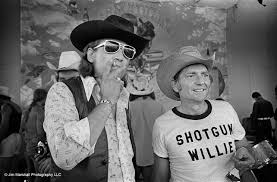
Photography©? @jimmarshallphoto

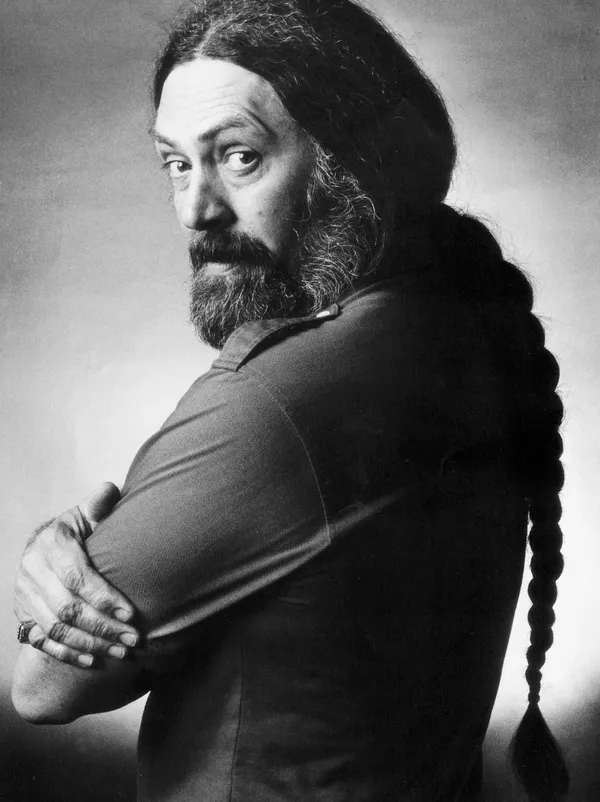
The common mythology of “outlaw country” paints Willie Nelson, Waylon Jennings, and their peers as hard-living renegades who defied Nashville through wild behavior, heavy drinking, and a refusal to play by polite society’s rules. While these personal traits were real and contributed to the legend, they obscure the deeper motivations and industry dynamics that gave rise to the outlaw movement. At its core, the outlaw revolt was less about bourbon-soaked rebellion and more about artists’ struggle for creative control, financial autonomy, and liberation from an exploitative recording system. Willie and Waylon were not rebelling against morality; they were rebelling against a business model.

Background: Nashville’s Tight Grip

By the late 1960s, Nashville’s music industry was a well-oiled machine. The “Nashville Sound” relied on producer-driven recordings, studio musicians, and a formula intended to reach a pop-leaning audience. Artists signed restrictive contracts that dictated:

What songs they recorded
Which producers they worked with
Which musicians played on their albums
How frequently albums were released
How royalties were allocated

Songwriting royalties often stayed with publishing companies. Production decisions were top-down. The artist’s identity became secondary to the system’s commercial efficiency. Willie Nelson, Waylon Jennings, and others bridled under this arrangement. Their “outlaw” stance grew from a desire to escape this machinery.

The Economic Roots of Rebellion

1. Control of Production

Willie and Waylon wanted the same autonomy that rock musicians were beginning to claim. In Austin, Willie discovered he could record with the band he wanted, in the style he wanted, without an executive dictating the sound. Waylon insisted on choosing his own musicians. RCA resisted, because it challenged the tightly controlled Nashville studio model. Their rebellion was fundamentally a labor negotiation: **the right to make their own music on their own terms.**

2. Ownership and Royalties

Under older contracts, artists earned little from their recordings. Producers and publishers captured most of the revenue. Willie and Waylon pushed for fairer royalty structures, ownership of masters, and the ability to keep more of what they created. This was not a drunken protest; it was a calculated effort to rewrite the business relationship between artist and label.

3. The Marketing of “Outlaw”

The irony is that the outlaw image itself became a financial engine. When RCA compiled *Wanted! The Outlaws* in 1976—the first country album to go platinum—they did so to capitalize on this identity. The album’s success proved that the outlaw stance had **market value**, and the labels embraced what they once resisted. The movement’s legend grew even as the industry profited from it.

There is no denying that Willie and Waylon lived rough at times. But their personal habits are not what made them outlaws. Plenty of Nashville artists drank hard and misbehaved. What separated Willie and Waylon was not behavior; it was **non-compliance with a business structure that demanded obedience.**

* If Waylon had been drinking but fully compliant, he would not have been an “outlaw.”
* If Willie had partied yet accepted creative confinement, he would have been simply another Nashville act.

Their outlaw identity emerged because they refused to be interchangeable parts in the Nashville machine. Behavior was the smoke. Control and money were the fire.

The outlaw movement reshaped the entire relationship between artists and the country music industry:

* Artists gained greater leverage in contracts.
* Self-production became more common.
* Labels increasingly marketed authenticity rather than formula.
* The boundaries between country, rock, and folk loosened.

In this sense, the outlaw revolt was a precursor to modern conversations about artistic rights, from ownership of masters to independence from labels.

The legend of Willie Nelson and Waylon Jennings as hard-drinking outlaws makes great storytelling, but it obscures the truth. Their rebellion was fundamentally economic and creative, not behavioral. It was a fight for autonomy, for the freedom to define their own artistic identities, and for fair compensation in a system that historically denied both.

Outlaw country was not a revolt of whiskey bottles—it was a revolt of contracts.

Listen up! Brandy Zdan – SO WHAT!

Brandy Zdan’s new album SO WHAT! is a fiery, full-throttle declaration of self-reliance and renewal. Known for blending Americana grit with alt-rock edge, Zdan leans hard into guitar-driven power on this record, delivering songs that sound both lived-in and defiant. From the opener “save me (rock ’n’ roll)” onward, she plays like someone who’s wrestled her way back to joy — unfiltered, electric, and alive.

There’s a sense of liberation pulsing through SO WHAT!, not just in the sound but in its making. Zdan crowdfunded the project to ensure a female producer’s voice at the helm — a rarity in rock circles — and that energy of taking control radiates through every riff and lyric. It’s an album that shrugs off hesitation and expectation in equal measure, proving that raw emotion and polished craft can coexist beautifully.

For fans of roots rock and Americana’s modern edges, SO WHAT! is both a homecoming and a leap forward. It’s not nostalgic — it’s defiant, hopeful, and entirely present. Roll the windows down, turn it up, and let Zdan remind you why rock ’n’ roll still saves souls.

4 1/2 / 5

website | buy

Listen up! Robert Plant – Saving Grace

At 76, Robert Plant has stopped chasing the echoes of Zeppelin’s thunder and instead walks the quiet roads that led him there. Saving Grace finds him shoulder to shoulder with Suzi Dian and a small circle of musicians who sound more like friends around a fire than players in a studio.

Like his previous outings with Alison Krauss and Band of Joy, this record isn’t about invention so much as re-discovery. Plant curates songs from gospel, blues, and old folk traditions — pieces worn smooth by time — and breathes into them a calm, weathered spirit. His voice no longer soars; it hovers, trembles, confides. What used to be power is now presence.
The arrangements are sparse but elegant — banjo, cello, brushed drums, and harmonies that ache just right. Nothing here is forced. It’s a long exhale of a record, tender in its restraint, haunted in its beauty.

Saving Grace isn’t a comeback; it’s a reckoning — the sound of a man grateful to still be singing, still listening, still finding new light in the old songs.

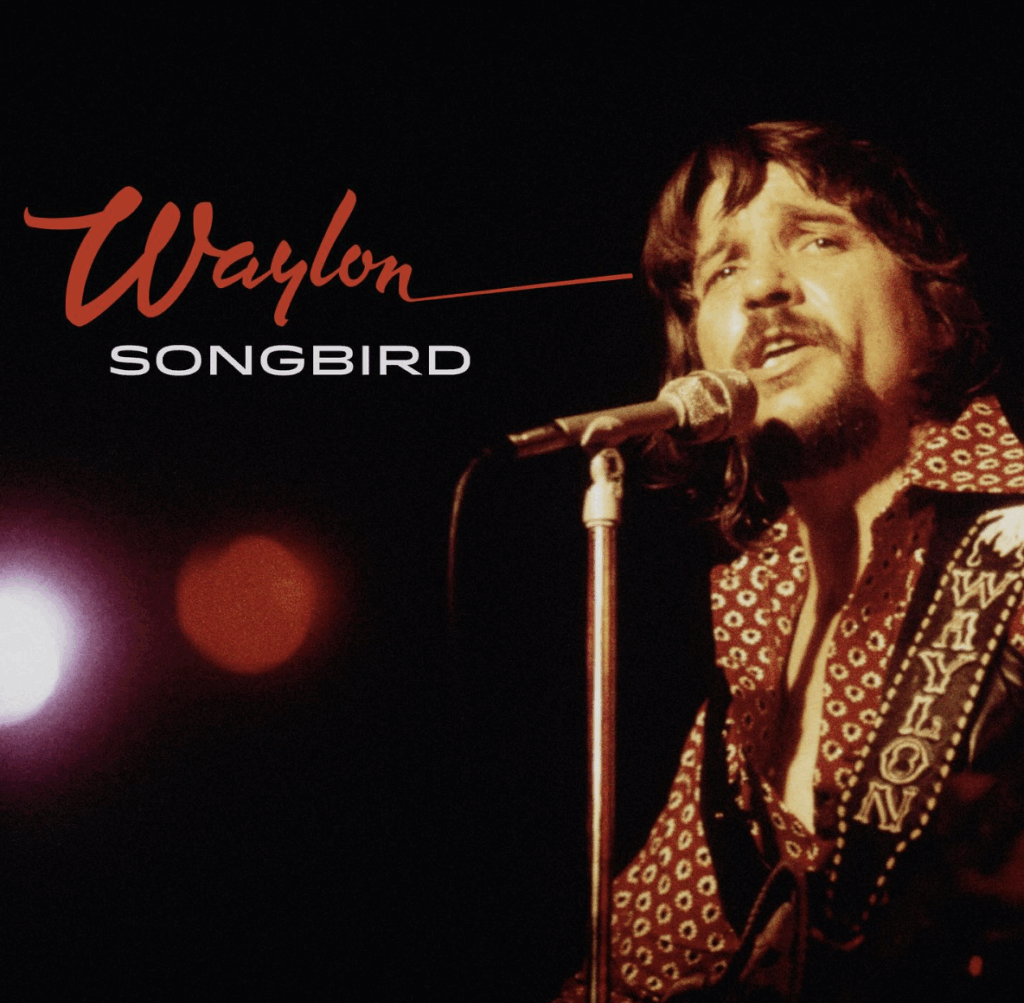
Listen Up! Waylon Jennings – Songbird (2025)

Even though Waylon Jennings’ latest posthumous release ‘Songbird’ spans 1973 to 1984, his voice is vivid and raw throughout. Shooter Jennings resists temptation to “smooth over” imperfections, allowing his grit and phrasing to shine. Shooter Jennings and engineer Nate Haessly leaned analog, mixing on vintage gear to preserve an organic feel. The occasional overdubs come from surviving members of The Waylors and guest vocalists, but it’s generally restrained and respectful to the original tapes.

Compiled and mixed by Shooter Jennings at Hollywood, CA’s hallowed Sunset Sound Studio 3, Songbird collects recordings produced in various studios by Waylon Jennings and his longtime drummer and co-producer Richie Albright, featuring members of his indelible backing band, The Waylors, including Albright and renowned pedal steel guitarist Ralph Mooney, along with such special guests as Tony Joe White, Jessi Colter, and more. Jennings’ reinterpretation of Fleetwood Mac’s “Songbird” is a standout. It imbues the gentle original with honky-tonk steel, strong back-beat, and an emotional delivery. The addition of Elizabeth Cook and Ashley Monroe on backing vocals gives it a delicate lift without crowding out Jennings’ growl.

— 4 of 5 stars —

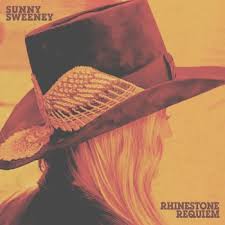
Listen Up – Sunny Sweeney – ‘Rhinestone Requiem’

Sunny Sweeney’s Rhinestone Requiem is a finely wrought, emotionally grounded return to honky-tonk and classic country roots. Drawing on co-production with longtime collaborator Harley Husbands, the album’s ten tracks balance grit and grace: bold storytelling (“Diamonds and Divorce Decrees”), wistful reflection (“Houston Belongs To Me”), spirited anthems (“As Long as There’s a Honky Tonk”) and a closing waltz (“Half Lit in ¾ Time”).

Sweeney’s voice is unvarnished and honest, and her songwriting leans into lived highs and lows without resorting to clichés. Though the production occasionally borders on polished, it never overshadows the core: real stories, real heart, real country.

4 of 5 stars

Listen Up – Caroline Spence’s *Heart Go Wild’ (2025)

*Heart Go Wild* is Spence’s fifth studio album, released August 29, 2025. It arrives after *True North* (2022), a record that leaned into vulnerability and emotional introspection. Since then, Spence has entered several new life phases: marriage, motherhood, and a period of creative recalibration. She describes ‘Heart Go Wild’ as giving herself “permission … to stay vulnerable and unfiltered … to stay in that wildness.the co-produced the album alongside Mark Campbell and Peter Groenwald, and the record is structured with 12 tracks.

Given Spence’s consistent track record for lyrical clarity and emotional candor, expectations were high: could she deepen her voice while also expanding her sonic palette? In many ways, *Heart Go Wild* succeeds.

One of Spence’s stronge’ leaned more toward introspection and quiet landscapes, ‘Heart Go Wild’ invites more movement — musically and thematically. Yet Spence never abandons what feels essential to her: clear melodies, expressive vocals, and lyric-driven storytelling.

“Effortless” (is a stand-out. The lyric is about “not settling” and trusting timing — a theme that seems to echo Spence’s artistic journey. The melody is graceful, the instrumentation supportive rather than showy, and the overall posture is one of quiet confidence. The album benefits from production that rarely gets in the way of the songs. Campbell, Groenwald, and Spence are careful to not over-embellish; arrangements often allow space for voice and lyric. In a few places, textures step in (strings, subtle percussion, atmospheric touches), but never in a way that distracts. The production feels like it serves the emotional arc of the record. The tracklist shows Spence working in multiple shades: from more immediate or mid-tempo songs to quiet ballads. She avoids monotony by varying pacing, instrumentation, and vocal dynamics. The title track “Heart Go Wild,” “Confront It,” and more playful songs like “Fun at Parties” offer contrast.

Standout Tracks
* “Effortless” — As noted, sharp in message and melody; a strong introduction to the record’s tone.
* “Soft Animal” — Echoes the more delicate side of Spence’s writing, offering vulnerability wrapped in subtle musical texture.
* Title Track, “Heart Go Wild”** — Acts as a thematic anchor.
* “Confront It” — Opens the album; sets up a tension-spill that gives shape to what follows.
* “Fun at Parties” — Provides contrast, lighter energy in a mostly introspective set.

Overall Take

*Heart Go Wild* is a mature, earnest, and quietly ambitious record. It doesn’t aim for bombast — instead, it leans into gentler evolution. For longtime fans, it feels like a natural next step, deepening rather than veering off course. For newcomers, it offers a compelling entry into Spence’s world: singer-songwriter grounded in emotion, with a voice that holds both fragility and resolve.

It may not always surprise you, but it will stay with you — in the spaces between the lines and the breath before her voice returns. And that feels exactly what Spence intended.

Rating 4 out of 5 stars

Record Store Day Announces 2025 RSD Releases

Record Store Day has recently announced its list of exclusive titles for RSD Black Friday 2024, which happens on Aprl 12th. See here for the complete list.

Some of the notable country and roots-rock releases include:

The Blasters – An American Music Story: The Complete Studio Recordings 1979-1985 – The Blasters are one of the bedrock acts that formed the template for the “Americana” music movement in the 1980s. Since their inception in 1979, the core members of the band have been Phil Alvin and his younger brother, principal songwriter and guitarist Dave Alvin, drummer Bill Bateman and bassist John Bazz. The box set consists of the band’s four studio albums — American Music, The Blasters, Non Fiction and Hard Line– along with a bonus disc of rarities. The 5 LP set is packaged inside a hard cover slip case box with a 24-page book featuring extensive liner notes by music journalist Chris Morris and interviews with the band members. Includes rare photos from the band’s personal collection with memorabilia and collector’s item images, along with a rare promotional poster for the Non Fiction album. The hand-numbered set will be limited to 1,000 copies and available only in the US. A must have for fans of the legendary American music band.

Jeff Bridges– Slow Magic, 1977-1978 – 3 “Music is the weed that keeps popping out of the concrete in my life. It just seems to want to come out.” –Jeff Bridges
Culled from a single decaying cassette tape labeled “July 1978,” these recordings are a window into the secret musical life of the Dude. Even after becoming one of Hollywood’s biggest stars, Bridges spent all his free time jamming and recording with a trusted circle of musicians composed of childhood friends, artists, and assorted L.A. oddballs. Imagine The Band playing at CBGB with The Exploding Plastic Inevitable. Or Arthur Russell and the Talking Heads collaborating on a suite of mutant disco. Though Bridges and his friends were brought up around the movie industry, they decided to create their own private musical universe, where they could be as weird as they wanted.
•All tracks previously unreleased
•20-pg booklet including liner notes by Sam Sweet, new interview with Jeff Bridges, and never-before-seen archival photos
•Featuring Burgess Meredith (Rocky)
•Vinyl pressed on transparent blue wax at RTI

Patsy Cline – Imagine That: The Lost Recordings (1954-1963) – Imagine That: The Lost Recordings (1954-1963) gathers unreleased performances of legendary country singer Patsy Cline. Though some have traded as bootlegs, all tracks are officially available in this collection and presented for the first time on vinyl. Expertly curated by discographer George Hewitt, this release provides a comprehensive selection of both rare cuts and live versions of chart hits. Introducing 15 new songs, such as “The Wrong Side of Town” and “Old Lonesome Time,” this marks the first new release of a Patsy Cline album in 13 years and is fully endorsed by the Patsy Cline Estate. Presented in loose chronology, this set traces the evolution of Patsy’s artistry from regional beginnings as a featured vocalist with Bill Peer’s Melody Boys in 1954 to hosting radio shows as a national headliner by 1963. Every period of Patsy’s storied career is represented in the tracklist and the book features insights and commentary on the music, the production, the era, and Patsy. Of special note, this collection offers the long sought “missing middle” by including many recordings from the pivotal year of 1959. Then a proud young mother, Patsy relocated to Nashville and soon after joined the cast of the Grand Ole Opry. A string of timeless hit records followed for posterity. This limited and numbered 2 LP set is pressed on 180g vinyl and released for Record Store Day 2025.

Ry Cooder – The Main Point – Live 1972 – The first-ever archival release from Warner’s vaults featuring the legendary songwriter, composer, and producer Ry Cooder. This collection includes a rare solo performance recorded at The Main Point in Bryn Mawr, PA, on November 19, 1972. While one track from this performance appeared on a Warner promotional release in 1972, this marks the first time the entire set will be available on black vinyl.

Cowboy Junkies– More Acoustic Junk – a new collection celebrating the iconic sound of Cowboy Junkies in stripped-down form.This Record Store Day exclusive release features five brand-new acoustic recordings alongside five tracks from the original Acoustic Junk album—three of which have been remixed for this compilation. Known for their haunting melodies and introspective songwriting, the band’s acoustic arrangements showcase the raw beauty and emotional depth that have captivated fans for decades. 180g Yellow Vinyl, Polylined inner sleeve, 3mm Spined LP Sleeve.

Hank III– Rebel Within – Unlike most post-millennium country “outlaws,” Hank Williams III has actually been fighting against something concrete instead of just nursing a bad attitude. Hank III likes his music as strong as his drink, and includes both his hard-edged trad-styled country and his “hellbilly” thrash metal project Assjack. There’s an undercurrent of metal/punk creeping through a few tracks on Rebel Within (the bursts of Cookie Monster vocals on the title cut and the breakneck finale of “Drinkin’ Over Momma”), but for the most part, this is the most straight forward country music Hank III has released since 2002’s Lovesick, Broke and Drifitin’; Billly Contreras fiddle, Andy Gibson’s steel guitar, and Johnny Hiland’s guitar give these songs a classic acoustic honky tonk feel while adding just enough electric elements to keep this from sounding like an exercise in retro-nostalgia. More than one writer has noted that Hank III sounds a lot more like his grandfather Hank Williams than his dad Hank Willimas Jr. ever did, and he writes the kind of melodies that suit his weathered, soulful twang just right. Rebel Within captures a tone of bad luck and trouble with a grace and gravity that’s manna from heaven for fans of 100-proof roadhouse music. Rebel Within is strong, heartfelt work that proves Hank III hasn’t turned his back on pure country music. Pressed on acid-washed colored vinyl!

The Jayhawks– Blue Earth -The Jayhawks’ second album, released on Twin-Tone Records, has not been on LP since it was originally issued in 1989. This Record Store Day 2025 release includes a 7” EP with four bonus tracks never on vinyl.

Ralph Stanley– Man of Constant Sorrow – Ralph Stanley cut his first recordings with the Stanley Brothers in 1947, and nearly 70 years later, is still one of the leading stars of bluegrass music, as well as one of the towering figures of American roots music. Long a hero in bluegrass circles, Stanley broke through to mainstream popularity in 2000 with his striking performance of “O Death” in the movie O Brother, Where Art Thou?, and since then he’s continued to record and perform, teaching new fans about the beauty and history of mountain music.On Man of Constant Sorrow, Stanley and his latest edition of the Clinch Mountain Boys are joined by a diverse cast of vocalists who help perform a collection of bluegrass classics; guests include Robert Plant, Dierks Bentley, Ricky Skaggs, Jim Lauderdale, Gillian Welch, Buddy Miller, David Rawlings, Old Crow Medicine Show, and many more. 12″ LP, Coke Bottle Clear vinyl, 4/C Gatefold Jacket, 4/C Inner Sleeve.

Marty Stuart & His Fabulous Superlatives– Space Junk – Space Junk, a 20-track double LP, is the first full instrumental album from country legend Marty Stuart And His Fabulous Superlatives. This limited-edition release features previously unreleased recordings, focusing on a celebrated aspect of Marty’s longstanding recording career. “Dreamcatcher”, the artwork for Space Junk, has been provided by Herb Alpert of Tijuana Brass and A&M Records fame.

Hardcharger Records To Release ‘Poet Of Motel 6’ Posthumous Kinky Friedman Coming March 21

Kinky Friedman, who is terribly missed, made one last record before he passed away, titled ‘Poet Of Motel 6’ will be available on Jesse Dayton’s record label, Hardcharger Records, on March 21, with the pre-order live now, and a new song, “See You Down The Highway”, out today (see below. Read a great piece on Kinky’s new record full of interviews with Dayton and others in the New York Times today. Hear the new single,Hummingbird Lanai, below.

Vinyl Roots: The Byrds – ‘Sweetheart of the Rodeo’ (1968)

Sweetheart of the Rodeo* (1968) is a landmark album by The Byrds, representing a bold and influential pivot into country music at a time when such a move was considered unconventional for a rock band. Often credited as a foundational work in the country-rock genre, the album is as notable for its historical context as for its musical content, blending traditional country with the band’s signature harmonies and folk-rock sensibilities.

By 1968, The Byrds had already established themselves as one of the most important American rock bands with hits like “Mr. Tambourine Man” and “Turn! Turn! Turn!” But the lineup was shifting, and with Gram Parsons joining the group briefly, the band began experimenting with country music. Parsons, though new to the Byrds, brought a deep love for and knowledge of country, heavily influencing the direction of the album. Despite internal tensions and Parsons’ brief tenure, his impact shaped the sound and vision of *Sweetheart of the Rodeo*.

The album opens with a stunning cover of Bob Dylan’s “You Ain’t Goin’ Nowhere,” a light-hearted yet wistful track that immediately sets the tone with jangly guitars and warm harmonies. It exemplifies The Byrds’ ability to interpret Dylan’s work while infusing it with their evolving style.

The traditional country track “I Am a Pilgrim” highlights the group’s commitment to authentic country aesthetics, complete with pedal steel guitar and a reverent delivery. Similarly, “The Christian Life” (a Louvin Brothers cover) underscores the album’s roots in the gospel-infused side of country, though Roger McGuinn’s vocal delivery softens the original’s religious conviction.

One of the standout moments is “Hickory Wind,” co-written by Parsons. Its mournful melody and introspective lyrics capture a sense of longing and displacement, reflecting Parsons’ own turbulent life. The heartfelt performance anchors the album emotionally, showcasing Parsons’ vocal and songwriting prowess.

“Cowgirl in the Sand” introduces a playful, upbeat vibe, while the instrumental “Blue Canadian Rockies” provides a meditative interlude that highlights the musicianship of the band. The closing track, “Nothing Was Delivered,” returns to Dylan’s canon with a haunting and reflective tone, ending the album on a contemplative note.

### **Production and Vocals**
The production, helmed by Gary Usher, is clean and straightforward, emphasizing the acoustic textures and traditional instrumentation that define country music. However, one of the album’s notable controversies lies in the handling of Parsons’ vocals. Due to legal disputes with his former record label, many of Parsons’ lead vocals were replaced by McGuinn’s during post-production. This decision has been a point of contention among fans and critics, as Parsons’ original takes are widely regarded as more emotive and suited to the material.

*Sweetheart of the Rodeo* was not a commercial success upon release, as many fans and critics struggled to reconcile The Byrds’ shift away from their folk-rock roots. However, its reputation has grown over the decades, and it is now celebrated as a pioneering album that paved the way for artists like, Uncle Tupelo, The Eagles, Emmylou Harris, and even later iterations of Parsons’ work with The Flying Burrito Brothers.

The album also opened the door for greater acceptance of genre blending in popular music, legitimizing country influences within the rock world. Its authenticity, despite the initial resistance, helped dismantle some of the cultural barriers between rock and country audiences.

Despite its legacy, the album is not without its flaws. The decision to overwrite Parsons’ vocals dilutes some of the emotional depth that his contributions would have brought. Additionally, while the band’s commitment to the genre is evident, some tracks feel more like earnest pastiches than fully realized fusions. The cohesion of the album occasionally falters, as the differing musical visions of McGuinn, Parsons, and Chris Hillman seem at odds.

*Sweetheart of the Rodeo* remains a fascinating and influential work in The Byrds’ discography and in the history of popular music. Its bold embrace of country music was ahead of its time, pushing boundaries in ways that still resonate. While not flawless, its sincerity and willingness to experiment make it a cornerstone of country-rock and a testament to The Byrds’ versatility. For listeners willing to embrace its charms, the album offers a rewarding journey through the crossroads of two great American musical traditions.

Vinyl Roots: Elton John – “Madman Across the Water” (1971)

Madman Across the Water

“Madman Across the Water,” Elton John’s fourth studio album, released in November 1971, stands as a defining moment in his early career and an emblematic piece of 1970s rock. The album marked a shift in John’s sound, exploring darker themes, lavish orchestrations, and emotionally resonant lyrics from longtime collaborator Bernie Taupin.

Recorded at Trident Studios in London, the album was produced by Gus Dudgeon, who also worked on John’s previous albums, helping to cultivate his classic sound. By 1971, Elton John was already gaining fame in the U.S., with his western-themed “Tumbleweed Connection” and 1970 debut resonating well with American audiences. But “Madman Across the Water” was something else. It brought an intensity and a grandiosity that felt almost cinematic, with sweeping arrangements that brought an edge to John’s folk-rock leanings.

The album features contributions from a host of musicians, most notably guitarist Davey Johnstone, who would become a staple in John’s band. Legendary session players like Caleb Quaye and Chris Spedding also contribute, alongside orchestration by Paul Buckmaster. who’s symphonic arrangements give the album a layered texture that underlines its moody, contemplative themes.

1. “Tiny Dancer”
Arguably the most well-known track on the album, “Tiny Dancer” is a powerful ode to the California lifestyle and the sense of freedom that Taupin observed during his time there. The song starts with a tender piano line that builds into a sweeping chorus, underscored by Buckmaster’s lush strings. Although it wasn’t an immediate hit, “Tiny Dancer” became iconic over the years, with its crescendoing arrangement and rich vocal harmonies showcasing John’s knack for balancing personal and anthemic elements.

2. “Levon”
With “Levon,” John and Taupin crafted a narrative about a man caught between family duty and individual desires. Its melancholic melody, driven by John’s poignant vocals and orchestration, hints at an allegorical tone, making “Levon” one of the more enigmatic tracks on the album. The song’s layered production, including an unforgettable piano riff and expressive strings, reinforces its introspective mood. Legend has it that Levon was named after the Band’s drummer Levon Helm, this legend is something Elton himself has denied. Over time, “Levon” has been celebrated as one of Elton’s finest works for its storytelling and musical depth.

3. “Madman Across the Water”
The title track is brooding, dark, and intense, embodying the album’s overarching themes of alienation and paranoia. The lyrics evoke a sense of political and social disillusionment, hinting at the tensions of the time (often interpreted as a critique of American politics). Musically, it’s one of the most dramatic songs on the album, with electric guitar interwoven with piano and orchestral backing. It stands out for its atmospheric, almost ominous tone, and John’s vocal performance is notably raw and impassioned.

4. “Indian Sunset”
In this track, Taupin draws on Native American themes, weaving a narrative about the struggles of indigenous people in the face of oppression. The song builds from a quiet, folk-like beginning into a powerful, symphonic climax, with John delivering one of his most emotionally charged performances. Although it’s rarely played live, “Indian Sunset” remains a standout on the album for its ambitious storytelling and evocative arrangement.

5. “Goodbye”
The album closes with “Goodbye,” a short but beautiful track that provides a sense of melancholic resolution. In contrast to the grandiosity of the preceding songs, this piece is understated and gentle, leaving listeners with a haunting sense of longing. Though brief, “Goodbye” captures the reflective spirit of the album as a whole.

Lyrically, “Madman Across the Water” explores complex themes of isolation, identity, and disillusionment. The album feels introspective and emotionally weighty, a departure from the pop-rock sensibility of John’s earlier works. Taupin’s lyrics are among his most mature and intricate, often avoiding direct interpretations and instead providing glimpses into characters’ inner lives and societal commentary.

Musically, the album represents an evolution in John’s sound. The orchestral arrangements by Paul Buckmaster create a lush, sometimes dark soundscape that gives the album a dramatic, almost theatrical quality. John’s vocals are also notably more expressive on this record, ranging from tender to anguished, complementing Taupin’s introspective lyrics.

Upon its release, “Madman Across the Water” received mixed reviews from critics, who were divided on its ambitious orchestration and dark tone. However, it has since gained a reputation as one of John’s finest albums, appreciated for its artistic depth and cohesive sound. Over time, the album has been re-evaluated as a landmark in John’s career, with songs like “Tiny Dancer” and “Levon” becoming mainstays of his catalog.

In recent years, “Madman Across the Water” has been hailed as a classic, a testament to John and Taupin’s ability to craft songs that are both deeply personal and universally resonant. The album showcases Elton John not only as a pop singer but as a serious musician capable of pushing artistic boundaries. It’s a record that rewards repeated listening, offering new insights with each play.

“Madman Across the Water” is a complex, richly textured album that marks a high point in Elton John’s early career. While it may not have the instant appeal of some of his later hits, it stands as a testament to his artistry and his willingness to explore challenging themes. The album’s mix of orchestral grandeur and personal introspection makes it a unique and lasting work, and it continues to resonate with fans more than 50 years after its release. For anyone interested in John’s evolution as an artist, “Madman Across the Water” is an essential listen.