Rest In Peace Augie Meyers

This week I’ve been thinking about Augie Meyers who died March 7, 2026 at the age of 85 with his wife Sara at his side.

If you ever loved Texas music, you’ve heard him—whether you realized it or not. That Vox organ sound that rolls in like warm border wind? That’s Augie. It’s in the bones of the music. From the early days with Doug Sahm to decades of keeping that Tex-Mex soul alive, he helped build a sound that belongs to Texas the way dust belongs to boots.

His playing never felt flashy. It felt true. A swirl of conjunto, rock & roll, rhythm and blues, and cantina nights that stretched past midnight. A reminder that great music doesn’t just entertain you—it places you somewhere.

Close your eyes and you can hear it: a little San Antonio, a little border radio, a little dance hall on a hot night.

That was Augie.

Some musicians chase trends.
Some musicians become the sound of a place.

Augie Meyers was Texas.

Rest easy, sir. The groove rolls on.

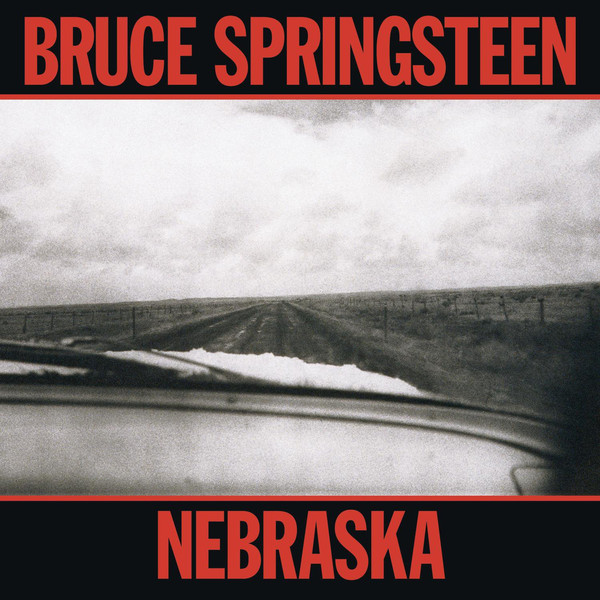
Vinyl Roots: Bruce Springsteen — Nebraska (1982)

There are records you revisit, and then there are records that revisit you. Nebraska has followed me for decades now, like a two-lane highway stretching out past memory. Recorded alone on a cassette four-track, it sounds less like an album and more like a private reckoning — voice, acoustic guitar, harmonica, and the faint mechanical pulse of a drum machine. No gloss, no mercy. Just stories of men who lost their jobs, their bearings, or their way home. When I first heard “Atlantic City,” I didn’t yet understand how fragile luck could be; now I do. These songs don’t dramatize desperation — they sit with it, steady and unblinking.

What makes Nebraska endure isn’t just its sparseness, but its moral weight. Springsteen steps inside his characters without excusing them, offering witness instead of judgment. Listening now, older and slower, I hear less outlaw mythology and more human ache — the quiet fear of being unseen, the long night drive with too much to think about. This is Americana without nostalgia: wide sky, empty fields, and the uneasy truth that freedom and loneliness often share the same horizon.

Record Store Day Americana and Country Releases 2026: When the Vinyl Spins and the Stories Begin

Record Store Day 2026 Logo

There’s a kind of magic that happens on a cool spring morning when the sun hasn’t quite warmed the sidewalks and the smell of fresh coffee mixes with the tang of old vinyl. It’s Record Store Day — that once-a-year celebration of grooves and ghosts — and this year, the date is Saturday, April 18, 2026. On that morning, independent record stores across the country will throw open their doors, and at the stroke of opening hour, lovers of sound will line up like they’re waiting for the doors of the Ryman Auditorium circa 1975 — all hope, heart, and beat-up boots.

This year’s Record Store Day offerings are rich with history, surprise, and serious vinyl heartbeat. From deep catalog treasures to first-ever pressings and special editions, 2026’s list reads like the soundtrack to an epic road trip through sound.

See the full list.

13th Floor Elevators – We Are Not Live – reprise of the 1968 album ‘Live’ by the 13th Floor Elevators. Spurned at the time for being billed as “Live” when in fact it was a compilation of previously recorded studio masters, outtakes and alternate mixes. The “very loud” crowd noise was overdubbed and was actually taken from a boxing match and wholly inappropriate for the purpose. Now, almost 60 years on, the album masters are available, in their original sequence, without the crowd noise, to be enjoyed in their full psychedelic splendor.

The Blasters – Rare Blasts: Studio Outtakes And Movie Music 1979-1985 – Rare Blasts is a compilation of outtakes and movie music tracks from the roots-rock Americana band’s 1980s studio albums. The 14-track collection was compiled as part of the sold out 5-LP box set, An American Music Story, released for RSD 2025. The LP features highly collectible tracks from their studio recordings many never available previously on vinyl. Includes liner notes from L.A. music writer Chris Morris. Pressed on cobalt blue vinyl exclusively for Record Store Day.

Jeff Buckley – Live À L’Olympia – This live album captures Jeff Buckley and band across two nights in Paris July 6th & 7th during his 1995 European tour in support of the release of his Grace album. Captured at the legendary Olympia, it found Buckley before a rapturous French crowd performing half of the songs from his beloved debut album ( including favorites like “Lover, You Should Have Come Over” and “Hallelujah”) plus covers as varied as the MC5’s “Kick Out The Jams,” a Led Zeppelin parody and songs made famous by Nina Simone and Edith Piaf. In addition, the album features an additional live performance of Buckley and Alim Qasimov in a competitive Qawwali singing duet from a festival of sacred music also captured that year in France. Originally released in 2001, this marks the album’s first time on vinyl exclusively for Record Store Day.

Kaitlin Butts – Yeehaw Sessions – Kaitlin Butts: Yeehaw Sessions is a 12” black vinyl release combining two of Kaitlin’s Eps, never before released on vinyl.

Brandi Carlile – Live At Easy Street Records Vol II – Nearly two decades after recording her first live album at Seattle’s Easy Street Records, Brandi Carlile returned to the iconic record store for Brandi Carlile Live at Easy Street Records Vol. II. Celebrating her 8th studio album, Returning To Myself, the show marked a full-circle moment for the 11x Grammy Award winner. Joined by The Hanseroth Twins and SistaStrings, Carlile played to a full house and was met with an outpouring of love from fans who celebrated her return to the city where it all began.

Tyler Childers – Live From Dinosaur World – A 7” single featuring live renditions of “Bitin’ List” and “Dirty Ought Trill” performed during the release weekend of Tyler Childers’ critically acclaimed album Snipe Hunter, exclusive to indie record stores for Record Store Day 2026.

Crosby, Stills & Nash – The Solo Albums – The landmark debut solo albums from David Crosby, Stephen Stills and Graham Nash after the overwhelming success of the Crosby, Stills & Nash and ‘Deja Vu’. This set also includes an LP of rarities from demos and sessions for all three albums.

Skeeter Davis – The End of the World: The Navy Hoedown Sessions – Skeeter Davis fans are in for a fascinating detour with The Navy Hoedown Sessions, a 50th-anniversary reissue of the 1975 double album that is as much a historical curiosity as it is a musical treat. Originally produced for the U.S. Navy as a recruitment recording, the album was pressed in very limited quantities and has remained almost unheard. Featuring Davis’s signature country-pop sound and some of her greatest hits, these recordings are a true delight. Pressed on pink vinyl for Record Store Day 2026, don’t miss this rare opportunity.

Iris DeMent – The Way I Should (30th Anniversary) – In celebration of the album’s 30th anniversary, Yep Roc Records is pressing The Way I Should on vinyl for the first time. The album is remastered by Mike Westbrook of Material Mastering and is pressed on Summer Sky color vinyl, limited to 1,000 copies worldwide.

Jerry Garcia – Reflections (50th Anniversary) – One of Garcia’s most artistically unified statements of harmony, affirmation, and joy celebrates its golden anniversary with an expanded 3xLP set. Reflections (50th Anniversary Edition) presents the remastered original studio album, recorded with the Grateful Dead and the Jerry Garcia Band – plus two bonus LPs featuring studio outtakes, jams and four previously unreleased live recordings. The collection is housed in a tri-fold mirror board jacket and pressed in a limited edition of 5,000.

The Jayhawks – 2 Meter Sessions – Never-before-released recordings – Amsterdam 1997 & 2000
for the first time ever on vinyl, the jayhawks present 2 meter sessions – an exclusive record store day 2026 release featuring two amsterdam sessions from 1997 and 2000.

Waylon Jennings & The Waylors – The Balladeer meets the Dukes of Hazzard – During the process of archiving and unearthing Waylon’s lost studio recordings, his son Shooter found the original recordings of lines of the Balladeer for the first two episodes of the Dukes of Hazzard, complete with bloopers and out-takes. Shooter also found the original recordings for the soundtrack to first season of the Dukes, produced by Richie Albright, and featuring Waylon and his smoking backing band.

George Jones – Cold Hard Truth – George Jones’ 1999 return to traditional country music, his first album with Asylum Records. Produced by Keith Stegall, the album features strong, original honky-tonk ballads and raucous tunes, reminiscent of Jones’ classic recordings. Cold Hard Truth is one of Jones’ strongest albums in nearly two decades, offering a consistent, high-quality listening experience. Pressed for Record Store Day on light blue vinyl.

Freddie King – Feelin’ Alright: The Complete 1975 Nancy Pulsations Concert – For the first time ever, experience the full power of Freddie King’s explosive 1975 performance at the Jazz Pulsations Festival in Nancy, France — a never-before-released live set that captures the Texas blues legend at his fiercest. King roars through a high-energy set of blues, funk, and soul-drenched grooves, backed by a razor-sharp band and fueled by his searing guitar tone and powerhouse vocals.

Mark Knopfler & Emmylou Harris – All The Roadrunning – To celebrate its 20th anniversary, the collaboration album between Dire Straits’ Mark Knopfler and Emmylou Harris, All The Roadrunning, is reissued on 2LP smoky marble vinyl as part of Record Store Day 2026.

Little Feat – Little Feat (Deluxe Edition) – Next in the lineup of foundational Little Feat albums to get the Rhino Deluxe treatment is the band’s 1971 self-titled debut album. Releasing as a 2LP vinyl set exclusively for Record Store Day 2026, it includes the original album, AAA-cut from original master tape, alongside a bonus disc of rare previously unreleased alternate versions and outtakes from their early recording sessions.

Joni Mitchell – For The Roses – Joni’s 1972 album, For The Roses, was her first for David Geffen’s Asylum Records. Joni originally had intended the album cover to be art that she created that was illustrative of the song, “For The Roses,” and showed her cynicism to the music business at the time. Geffen vetoed her artwork because he thought it was not a good look to have a horse with roses coming out of its ass! So Joni ultimately compromised to use the Joel Bernstein photo that was ultimately the cover. This special limited edition for Record Store Day restores Joni’s original vision for the cover artwork for the first time. Pressed on rose color vinyl.

Tom Petty & The Heartbreakers – July 16, 1978 – Paradise Theater, Boston, MA – A wild night from the You’re Gonna Get It tour was recorded on 2-track at the Paradise Rock Club in Boston, MA, and broadcast by local rock radio station WBCN-FM.

Robert Plant – Saving Grace: All That Glitters… with Suzi Dian – Saving Grace: All that Glitters… is a continuation of Plant’s Saving Grace album and his beautiful collaboration with Suzi Dian and their band. It features four new studio recordings.

John Prine – Found Dogs – A newly curated archival release celebrating the 30th anniversary of Lost Dogs & Mixed Blessings. Drawn from the original recording sessions and demos from the era, Found Dogs collects alternate versions, acoustic performances, and five previously unreleased tracks, offering a rare look into Prine’s songwriting and studio process during a pivotal period of his career.

John Prine – BBC Sessions – John Prine recorded live for BBC radio. Featuring solo performances of songs from his first two albums. First official release. 1-LP 140g black vinyl.

Son Volt – Sound Signal Serenades – Son Volt’s latest album, Sound Signal Serenades, released on Sky Blue Opaque vinyl as a special version for Record Store Day 2026. Featuring twelve originals, Son Volt’s return to the elemental strengths that have long defined their sound—restless guitars, melodic clarity, and songs rooted in the lived experience of American landscapes. Anchored by Jay Farrar’s steady, unvarnished voice, the record balances reflection and resolve, drawing lines between personal memory and the wider currents of history, change, and endurance.

Bruce Springsteen – Live From Asbury Park 2024 – Available for the first time on vinyl, hear Bruce Springsteen’s electrifying homecoming performance in Asbury Park at the 2024 Sea.Hear.Now festival. Spanning over three hours of powerhouse performances in front of 35,000 people, this 5LP set features Springsteen at his dynamic best, backed by the legendary E Street Band. Spanning Springsteen’s iconic catalog, this record includes hits such as “Thunder Road” and “Dancing in the Dark,” plus songs that Springsteen wrote just down the road from this stage, including “Blinded By The Light” and “Growin’ Up.”

Joe Strummer & The Mescaleros – Global A Go-Go – Celebrating the 25th anniversary of the second album by Joe Strummer and The Mescaleros with a limited splatter color vinyl pressing. Features some of his most well-known songs from the Mescaleros era, including “Mondo Bongo,” “Johnny Appleseed,” and “Bhindi Bhagee.”

Various Artists – My Soul Is Lost: Unknown & Forgotten Rural American Musicians – Old-time music compiled by R. Crumb and John Heneghan from their own almost five thousand 78 rpm records in his collection.

Jerry Jeff Walker – Navajo Rug (35th Anniversary) – In celebration of its 35th Anniversary, Jerry Jeff Walker’s Navajo Rug is now available on vinyl for the first time, exclusively for RSD. A fan favorite, the LP features extended liner notes and tracks like “Navajo Rug,” “If I’d Loved You Then,” and Jerry Jeff’s ode to one of his favorite baseball players, “Nolan Ryan (He’s A Hero To Us All).” Pressed on exclusive deep orange vinyl.
Twang Nation: Best of 2025 Americana and Country Music


Country music didn’t need saving in 2025—it needed listening.
The records that mattered this year didn’t chase radio, algorithms, or nostalgia. They showed up with songs that knew where they were from and didn’t flinch when they said it out loud.
This is Twang Nation’s Best of 2025: real voices, real twang, and records built to last longer than the hype cycle and the typical tik-tok users attention span.

1. Summer Dean — The Biggest Life
A honky-tonk record that stands on discipline and restraint. Summer Dean doesn’t modernize or sentimentalize—she commits. Clean melodies, clear-eyed songwriting, and twang that carries its weight without decoration. One of the year’s most honest country albums.

2. Joshua Hedley — Neon Blue
Pure country, no costume. Hedley’s baritone and Bakersfield-informed sound feel lived-in, not revived. These are songs built the old way because the old way still works. Continuity country at its finest.

3. Ellis Bullard — Honky Tonk Ain’t Noise Pollution
Loose, funny, and sharp without winking. Bullard brings barroom wisdom and lived humor back to country music, letting rough edges stay rough. Proof that honky-tonk still has a pulse—and a sense of humor.

4.Riddy Arman — Silver Line
Minimalist Western twang where space does as much work as sound. Arman’s songs move slowly and land quietly, built for long roads and late hours. A record that trusts silence and earns it.

5. Rachel Brooke — Sings Sad Songs
Dark honky-tonk realism with no interest in redemption arcs. Brooke sings about regret and bad decisions without smoothing them over. Cold, clean twang that leaves the door shut when the song ends.

6. Kaitlin Butts — Roadrunner
Red Dirt storytelling rooted in place and consequence. Butts writes with specificity and strength, keeping the focus on people rather than scale. Twang that stays personal instead of performative.

7. Melissa Carper — Borned In Ya
Country that remembers how to swing. Upright bass, jazz-inflected phrasing, and a loose communal feel give this record warmth without softness. A reminder that twang once danced—and still can.

8. Rattlesnake Milk — Into the Black
Desert-baked, amp-blown twang with a dangerous streak. This record leans outlaw blues but earns its country stripes through attitude and refusal to behave. Raw, loud, and unapologetic.

9. Will Banister — Living the Dream?
Classic country singing as a craft, not a gimmick. Banister delivers well-built songs with effortless phrasing and emotional clarity. No irony, no updates—just country done right.

10. Sterling Drake — The Shape I’m In
Haunted, lonesome, and stripped close to the bone. Drake blends Appalachian and Southern roots into songs that feel written to survive, not succeed. Twang with scars still showing.

In 2025, the best country records didn’t beg for attention.
They trusted the song. They trusted the twang.
And they let the rest sort itself out.
That’s the music we can all stand behind.

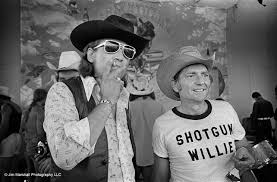
Willie, Waylon, and the Real Reason The “Outlaws” Walked Away

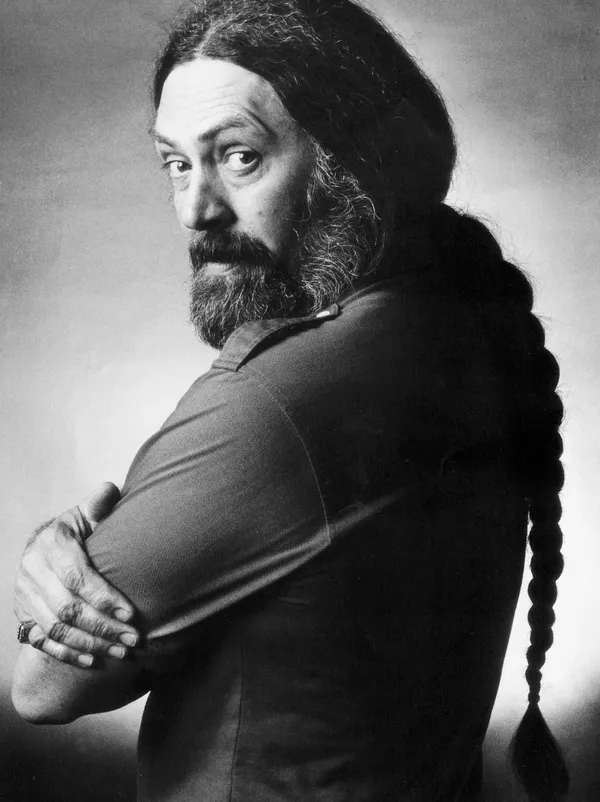
Photography©? @jimmarshallphoto

The common mythology of “outlaw country” paints Willie Nelson, Waylon Jennings, and their peers as hard-living renegades who defied Nashville through wild behavior, heavy drinking, and a refusal to play by polite society’s rules. While these personal traits were real and contributed to the legend, they obscure the deeper motivations and industry dynamics that gave rise to the outlaw movement. At its core, the outlaw revolt was less about bourbon-soaked rebellion and more about artists’ struggle for creative control, financial autonomy, and liberation from an exploitative recording system. Willie and Waylon were not rebelling against morality; they were rebelling against a business model.

Background: Nashville’s Tight Grip

By the late 1960s, Nashville’s music industry was a well-oiled machine. The “Nashville Sound” relied on producer-driven recordings, studio musicians, and a formula intended to reach a pop-leaning audience. Artists signed restrictive contracts that dictated:

What songs they recorded
Which producers they worked with
Which musicians played on their albums
How frequently albums were released
How royalties were allocated

Songwriting royalties often stayed with publishing companies. Production decisions were top-down. The artist’s identity became secondary to the system’s commercial efficiency. Willie Nelson, Waylon Jennings, and others bridled under this arrangement. Their “outlaw” stance grew from a desire to escape this machinery.

The Economic Roots of Rebellion

1. Control of Production

Willie and Waylon wanted the same autonomy that rock musicians were beginning to claim. In Austin, Willie discovered he could record with the band he wanted, in the style he wanted, without an executive dictating the sound. Waylon insisted on choosing his own musicians. RCA resisted, because it challenged the tightly controlled Nashville studio model. Their rebellion was fundamentally a labor negotiation: **the right to make their own music on their own terms.**

2. Ownership and Royalties

Under older contracts, artists earned little from their recordings. Producers and publishers captured most of the revenue. Willie and Waylon pushed for fairer royalty structures, ownership of masters, and the ability to keep more of what they created. This was not a drunken protest; it was a calculated effort to rewrite the business relationship between artist and label.

3. The Marketing of “Outlaw”

The irony is that the outlaw image itself became a financial engine. When RCA compiled *Wanted! The Outlaws* in 1976—the first country album to go platinum—they did so to capitalize on this identity. The album’s success proved that the outlaw stance had **market value**, and the labels embraced what they once resisted. The movement’s legend grew even as the industry profited from it.

There is no denying that Willie and Waylon lived rough at times. But their personal habits are not what made them outlaws. Plenty of Nashville artists drank hard and misbehaved. What separated Willie and Waylon was not behavior; it was **non-compliance with a business structure that demanded obedience.**

* If Waylon had been drinking but fully compliant, he would not have been an “outlaw.”
* If Willie had partied yet accepted creative confinement, he would have been simply another Nashville act.

Their outlaw identity emerged because they refused to be interchangeable parts in the Nashville machine. Behavior was the smoke. Control and money were the fire.

The outlaw movement reshaped the entire relationship between artists and the country music industry:

* Artists gained greater leverage in contracts.
* Self-production became more common.
* Labels increasingly marketed authenticity rather than formula.
* The boundaries between country, rock, and folk loosened.

In this sense, the outlaw revolt was a precursor to modern conversations about artistic rights, from ownership of masters to independence from labels.

The legend of Willie Nelson and Waylon Jennings as hard-drinking outlaws makes great storytelling, but it obscures the truth. Their rebellion was fundamentally economic and creative, not behavioral. It was a fight for autonomy, for the freedom to define their own artistic identities, and for fair compensation in a system that historically denied both.

Outlaw country was not a revolt of whiskey bottles—it was a revolt of contracts.

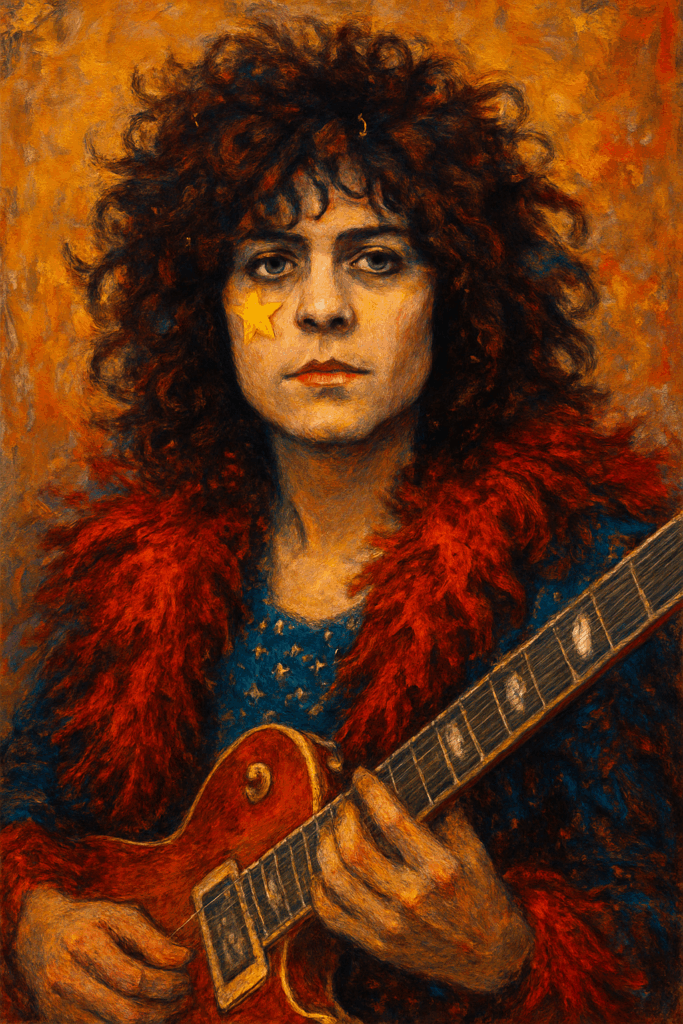
The Glittering Light That Never Went Out: The Legacy and Influence of Marc Bolan

Marc Bolan didn’t just write songs — he cast spells. With a feather boa, a star-streaked face, and a guitar riff that could split the world open, he led T. Rex into a sound that became both a revolution and a refuge. Even now, decades after his time on Earth ended, his influence hums through modern music like an electric current.

The Spark That Started Glam Rock

Before David Bowie became Ziggy, before a single glitter-flecked platform boot stomped across the airwaves, Marc Bolan struck the match that would become glam rock. When Electric Warrior (1971) landed, it didn’t just redefine rock — it reshaped what rock stars could look and sound like. Bolan’s fusion of boogie riffs, mystical imagery, and sexual flamboyance gave permission to a generation of artists to be loud, luminous, and unapologetically strange.

His performance on Top of the Pops in 1971 — curls wild, glitter glowing — wasn’t just a moment. It was ignition.

The Sound That Echoes Across Generations

Marc Bolan’s songwriting remains deceptively simple: three chords, a groove, and a sense of swagger sharp enough to cut yourself on. Yet beneath that surface was something timeless — a pulse that still animates rock, punk, indie, glam-metal, and even modern pop.

You can hear Bolan’s fingerprints in, David Bowie, who absorbed Bolan’s early glam sensibility and launched it into the cosmos. The Smiths, whose jangly melancholy often hid Bolan-esque flourishes.Johnny Marr, The Smiths’ guitarist, has frequently cited Marc Bolan as a major musical idol and a primary inspiration for his own work. Prince, who embodied that same fusion of sex, glitter, and guitar heroics. The New York Dolls, inheritors of his lipstick-and-leather bravado. Modern acts like Suede, MGMT, and The White Stripes, all of whom channel his stripped-down magic.

Bolan’s riffs were gateways: accessible for young musicians, irresistible for anyone with a pulse.

A Poet in Platform Shoes

Marc Bolan carried mysticism the way others carry keys — casually, constantly, and with a sense of private knowledge. His lyrics mixed Tolkien, street slang, cosmic metaphors, and nonsense syllables until they made their own kind of sense. “Jeepster,” “Metal Guru,” and “Get It On” weren’t just songs — they were spells, coded messages from a world half-real and half-imagined.

He turned throwaway lines into anthems, and vague images into myth.

A Life Cut Short, An Influence That Isn’t

Bolan died in 1977 at only 29, leaving behind a body of work that feels far larger than the years he had to make it. His early departure froze him in time — forever young, forever shimmering, forever on the verge of the next great sound.

In the years since, his legend has only grown. Each generation discovers him anew: some through Electric Warrior, some through The Slider, some through the countless artists who still carry his style in their bones.

Even today, his music shows up in film scores, fashion campaigns, indie playlists, and vinyl collections like a secret handshake — a sign that the listener understands something about beauty, about swagger, about freedom.

The Eternal Warrior

Marc Bolan’s legacy is not just about glam rock, or riffs, or glitter — it’s about possibility. He showed the world that a rock star could be a poet, a trickster, a shapeshifter. He made weirdness sacred. He made simplicity sublime. And he made the stage a place where anyone could shine like a star.

The glitter he scattered never faded. It just settled into the culture, where it still catches the light.

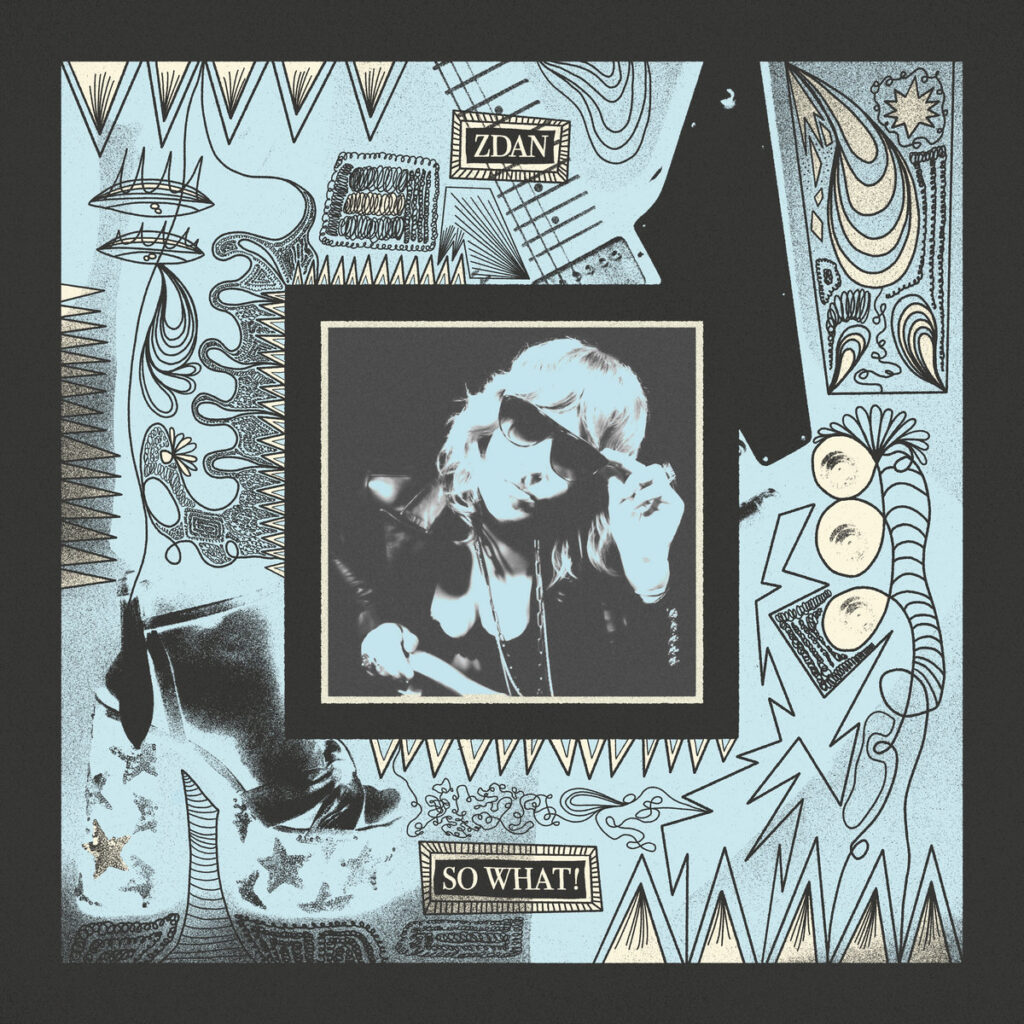
Listen up! Brandy Zdan – SO WHAT!

Brandy Zdan’s new album SO WHAT! is a fiery, full-throttle declaration of self-reliance and renewal. Known for blending Americana grit with alt-rock edge, Zdan leans hard into guitar-driven power on this record, delivering songs that sound both lived-in and defiant. From the opener “save me (rock ’n’ roll)” onward, she plays like someone who’s wrestled her way back to joy — unfiltered, electric, and alive.

There’s a sense of liberation pulsing through SO WHAT!, not just in the sound but in its making. Zdan crowdfunded the project to ensure a female producer’s voice at the helm — a rarity in rock circles — and that energy of taking control radiates through every riff and lyric. It’s an album that shrugs off hesitation and expectation in equal measure, proving that raw emotion and polished craft can coexist beautifully.

For fans of roots rock and Americana’s modern edges, SO WHAT! is both a homecoming and a leap forward. It’s not nostalgic — it’s defiant, hopeful, and entirely present. Roll the windows down, turn it up, and let Zdan remind you why rock ’n’ roll still saves souls.

4 1/2 / 5

website | buy

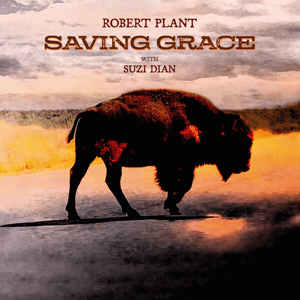
Listen up! Robert Plant – Saving Grace

At 76, Robert Plant has stopped chasing the echoes of Zeppelin’s thunder and instead walks the quiet roads that led him there. Saving Grace finds him shoulder to shoulder with Suzi Dian and a small circle of musicians who sound more like friends around a fire than players in a studio.

Like his previous outings with Alison Krauss and Band of Joy, this record isn’t about invention so much as re-discovery. Plant curates songs from gospel, blues, and old folk traditions — pieces worn smooth by time — and breathes into them a calm, weathered spirit. His voice no longer soars; it hovers, trembles, confides. What used to be power is now presence.
The arrangements are sparse but elegant — banjo, cello, brushed drums, and harmonies that ache just right. Nothing here is forced. It’s a long exhale of a record, tender in its restraint, haunted in its beauty.

Saving Grace isn’t a comeback; it’s a reckoning — the sound of a man grateful to still be singing, still listening, still finding new light in the old songs.

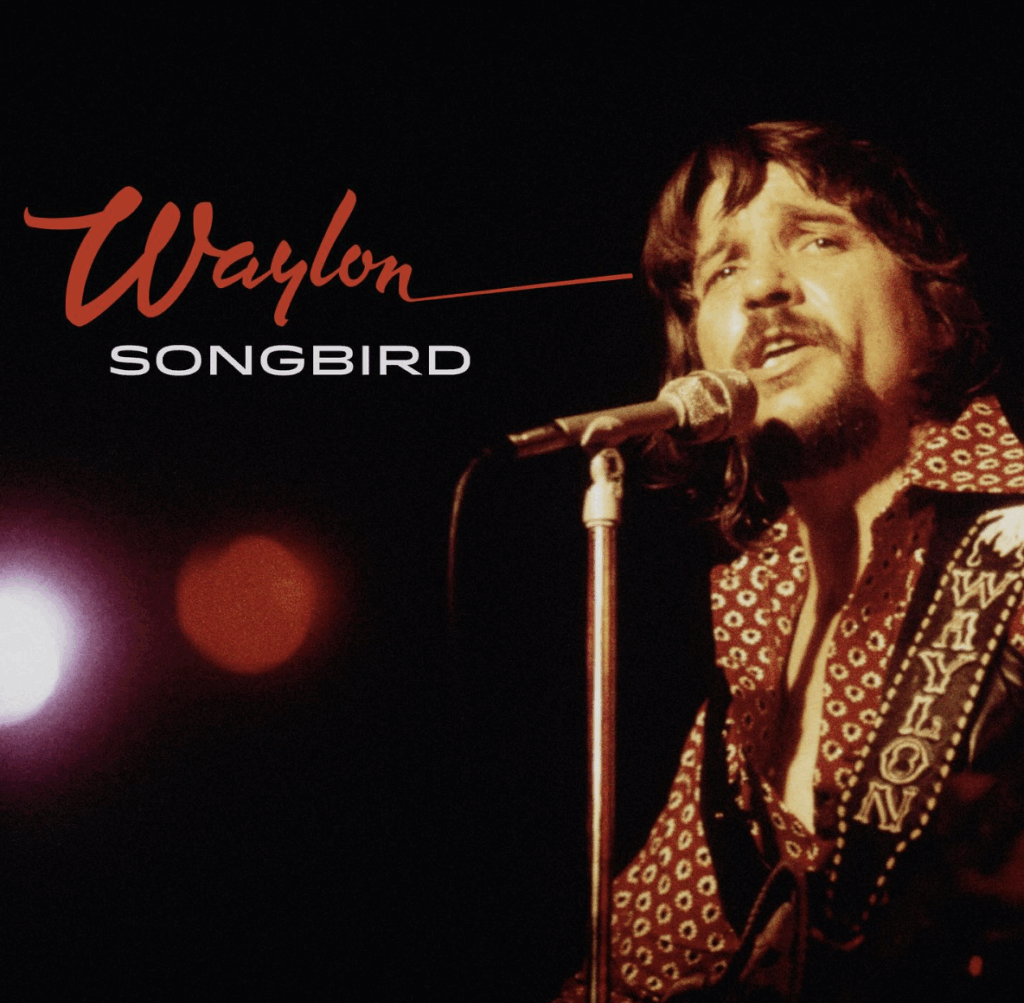
Listen Up! Waylon Jennings – Songbird (2025)

Even though Waylon Jennings’ latest posthumous release ‘Songbird’ spans 1973 to 1984, his voice is vivid and raw throughout. Shooter Jennings resists temptation to “smooth over” imperfections, allowing his grit and phrasing to shine. Shooter Jennings and engineer Nate Haessly leaned analog, mixing on vintage gear to preserve an organic feel. The occasional overdubs come from surviving members of The Waylors and guest vocalists, but it’s generally restrained and respectful to the original tapes.

Compiled and mixed by Shooter Jennings at Hollywood, CA’s hallowed Sunset Sound Studio 3, Songbird collects recordings produced in various studios by Waylon Jennings and his longtime drummer and co-producer Richie Albright, featuring members of his indelible backing band, The Waylors, including Albright and renowned pedal steel guitarist Ralph Mooney, along with such special guests as Tony Joe White, Jessi Colter, and more. Jennings’ reinterpretation of Fleetwood Mac’s “Songbird” is a standout. It imbues the gentle original with honky-tonk steel, strong back-beat, and an emotional delivery. The addition of Elizabeth Cook and Ashley Monroe on backing vocals gives it a delicate lift without crowding out Jennings’ growl.

— 4 of 5 stars —

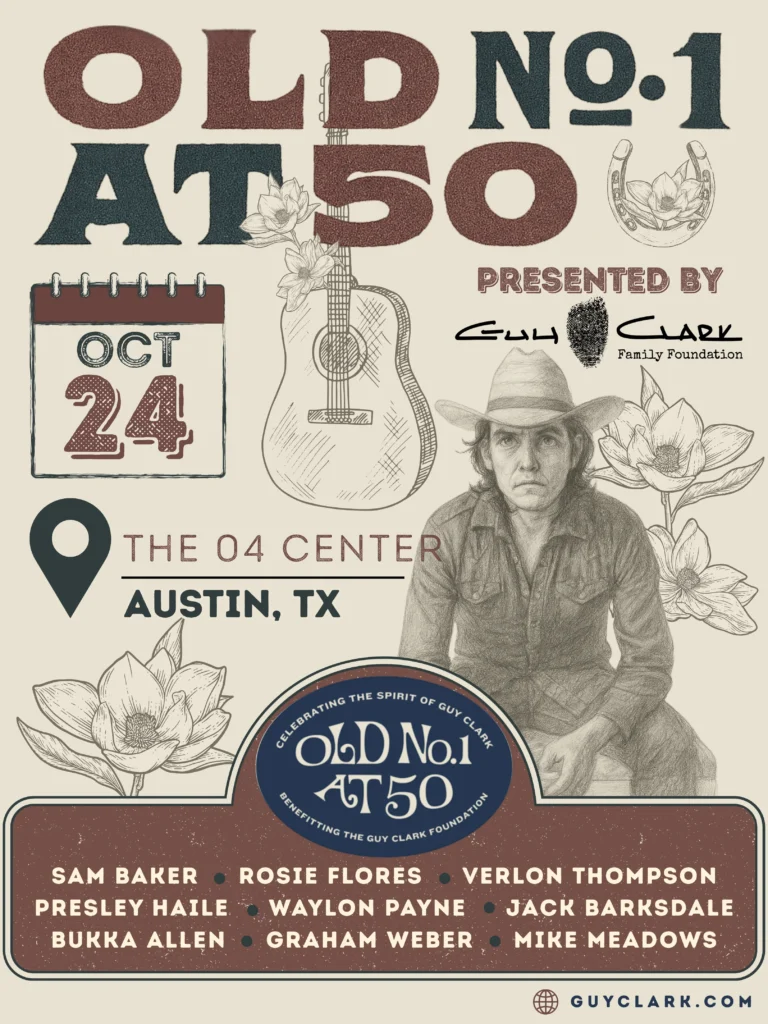
Celebrating 50 Years of Old No. 1: A Benefit Concert Honoring Guy Clark

Friday, October 24, 7-10:30p
The 04 Center
2701 S Lamar Blvd., Austin, TX 78704

Tickets

On Friday, October 24, some of Austin’s finest singers and songwriters will gather at The 04 Center for a special evening paying tribute to legendary songwriter Guy Clark. This benefit concert marks the 50th anniversary of Clark’s debut album, Old No. 1—a record that quietly reshaped the landscape of American songwriting.

The night will feature performances by Sam Baker, Rosie Flores, Verlon Thompson, Presley Haile, Waylon Payne, Jack Barksdale, Bukka Allen, Graham Weber, and Mike Meadows, who will bring Old No. 1 to life by performing the album in its entirety. Following this tribute set, each artist will share an original song of their own, carrying forward Clark’s legacy of truth, grit, and poetry in music.

A Record That Changed Everything

Released on November 7, 1975, just one day after Guy Clark’s 34th birthday, Old No. 1 wasn’t a commercial hit. Yet critics recognized its brilliance immediately. Songs like “L.A. Freeway,” “Desperados Waiting for a Train,” “Rita Ballou,” “Texas 1947,” “Let Him Roll,” and “That Old Time Feeling” became instant classics.

What no one could have predicted at the time was how profoundly the record would influence generations of songwriters, troubadours, and fans of Americana music. Half a century later, Old No. 1 remains a touchstone for anyone who believes in the power of storytelling through song.

Supporting the Next Generation of Songwriters

This event benefits The Guy Clark Family Foundation, a nonprofit organization dedicated to supporting and uplifting songwriters who continue to create in the spirit of Clark’s work. The anniversary concert is part of a series of events designed to raise awareness and funding for the foundation’s mission.

About Tamara Saviano

The concert is produced by Tamara Saviano—a Grammy-winning producer, writer, and filmmaker who worked closely with Clark for years. Saviano has authored both a book and documentary on Clark’s life and continues to advocate for songwriters through her role on the foundation’s board.

Her recently released memoir, Poets & Dreamers: My Life in Americana Music, chronicles her decades in the music industry and her unique role in shaping what we now know as the “Americana” movement.

Join us October 24 at The 04 Center in Austin for this unforgettable evening of music, storytelling, and community—all in celebration of Guy Clark’s enduring legacy.