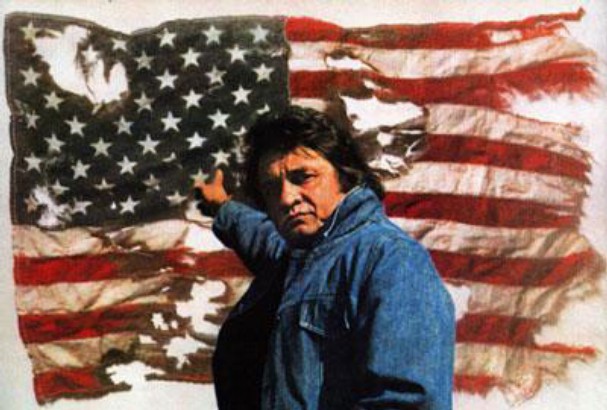
It’s Election Day, and I keep thinking about Johnny Cash.
Cash never fit neatly into anyone’s party. He played the White House for Richard Nixon in 1970, then used the moment to sing “What Is Truth” and “The Ballad of Ira Hayes” — songs about young people being dismissed and a Native American war hero the country forgot. Two years later he was back in Washington, this time to talk prison reform. He was friendly with presidents of both parties and refused to be anybody’s mascot.
In 1976 he said he didn’t think it was fair for him to campaign for a presidential candidate and lean on his fans that way. Historian Michael Stewart Foley, in Citizen Cash, calls what Cash practiced a “politics of empathy”: less about left or right, more about whoever was being left out — prisoners, the poor, Native Americans, veterans, the sick and the old.
That’s a pretty good way to walk into a voting booth. Not asking “who’s my team?” but “who’s carrying the heaviest load, and who’s going to help them carry it?”
Cash wore black for the folks who didn’t have a voice. Today, the rest of us get to use ours. Whatever your politics, go vote — and if you’re not sure where your polling place is, your county elections office will tell you.
Walk the line. Then stand in it.